






A new study found a causal link between the activation of serotonin neurons and the amount of time mice are willing to wait, and rejected a possible link between increased serotonin neuron activation and reward.

Serotonin is a neuromodulatory chemical that is targeted by antidepressant drugs, such as Prozac, which are widely used to treat depression and other disorders such as chronic pain. Serotonin is normally released by a small set of cells in an area of the brain called the raphe nuclei. However, what naturally causes these neurons to become active and release serotonin and how this affects brain function are still poorly understood.

A National Institutes of Health white paper that was released today finds little to no evidence for the effectiveness of opioid drugs in the treatment of long-term chronic pain, despite the explosive recent growth in the use of the drugs.

The paper, which constitutes the final report of a seven-member panel convened by the NIH last September, finds that many of the studies used to justify the prescription of these drugs were either poorly conducted or of an insufficient duration.

An NIH white paper finds little to no evidence for the effectiveness of opioid drugs in the treatment of long-term chronic pain.

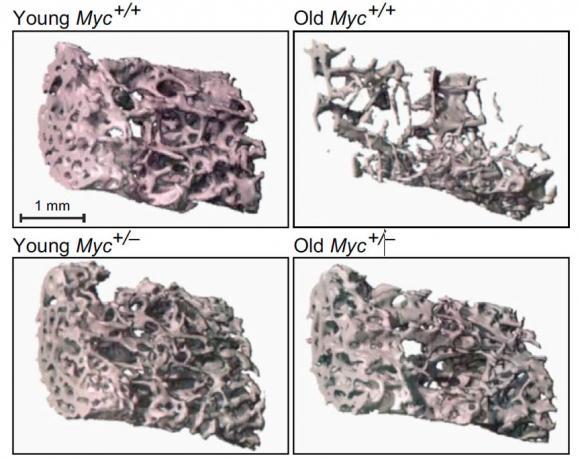
A study has found that reducing expression of the Myc gene - found in the genomes of all animals, ranging from ancestral single-celled organisms to humans - significantly increased the healthy lifespan of laboratory mice, the first such finding regarding this gene in a mammalian species.

Myc is a major topic of biomedical research and has been shown to be a central regulator of cell proliferation, growth, and death. Though animals cannot live without it, in humans and mice too much expression of the protein that Myc encodes has been closely linked to cancer, making it a well-known but elusive target of drug developers.
Political conservatives in the United States are somewhat like East Asians in the way they think, categorize and perceive, while liberals in the U.S. are more extreme in thought, categorization and perception, according to a new cultural psychology analysis.
We use our hands a lot each day. Humans have highly developed fine motor skills and so we are able to perform grasping movements with variable precision and power distribution, everything from tying our shoelaces to holding a balloon.
An analysis of Danish women of reproductive age suggests that long-term use of hormonal contraceptives is associated with an increased risk of brain tumors.

 Hormonal contraceptives, commonly called "the pill" in oral contraceptive, contain female sex hormones and are commonly referenced as the foundation of the "sexual revolution" in the 1960s because widespread usage has given women all over the world control over childbearing.

The government's ad promoting proposed changes to higher education. Is it legal? And if so, should it be? Youtube screen grab, CC BY-SA

By Andrew Hughes, Australian National University

In the brain, blood flow and cognitive function peak during young adulthood, but a new study of 52 young women found that oxygen availability, which is known to positively relate to brain health and function, is higher in adults who exercise regularly.

Women who exercised on a regular basis had higher oxygen availability in the anterior frontal region of the brain and performed best on difficult cognitive tasks.

“Our findings suggest that regular engagement in physical activity may improve brain functioning even in young adults in their prime,” said Dr. Liana Machado, senior author of the Psychophysiology study. “Both blood supply to the brain and cognitive functioning appear to benefit from regular exercise.

If someone won't move around for 20 minutes a day, can anything more be done to help people get off the couch?

Too much sitting has been linked to increased risk of chronic diseases such as diabetes, heart disease and some types of cancer. Current guidelines suggest adults do 150 minutes of moderate intensity activity a week, but more than a third (35.6%) of adults worldwide don't do that. And the proportion of time spent being inactive rises with age: from 55% (7.7 hours) at 20-29 years, to 67% (9.6 hours) in those aged 70-79 years.


