
There is a growing demand for fruit and vegetables across the Western world, thanks to increased awareness of their nutritional and health benefits. But we’ve always been taught they might not be safe to eat straight out of the supermarket, and they have to be washed first. Is this the case? And what might happen if we don’t?

Amid the many calls for scientists to engage with the general public, there are some who feel that scientists ought to remain aloof and disconnected from the broader public.

They believe academics shouldn’t even attempt to communicate their research to common folk. And many scientists oblige them, by writing in a turgid manner that is highly effective at keeping the public (and their peers) at bay.

So, here are a few of the tricks that scientists use to produce such turgid science writing. These methods restrict science to the smallest and most specialist audience possible.

Imagine a virus so serious the government recommends that women stop getting pregnant.

It exists, and it is now in Brazil, which is a big concern as the Olympics approaches. The Zika virus, native to parts of Africa and Asia, has been spreading locally among people who have not traveled abroad. There is no vaccine against the virus or antiviral treatment.

Zika is generally a mild illness, spread by a day-biting mosquito. However, there is a worrisome, but as of yet unproven, association of infected mothers in Brazil giving birth to babies with small heads and underdeveloped brains, Dr. Khan said. There has been a 20-fold increase in the number of babies born with this condition, known as microcephaly, since Zika first appeared in Brazil in May 2015.

Meeting patients' preferences for the time and place of their psychological treatment may affect their perception of treatment outcome, a cross-sectional survey by researchers from the Royal College of Psychiatrists and Imperial College London involving 14,587 respondents suggests.

(PHILADELPHIA) -- Obesity has long been associated with increased risk of colorectal cancer, but the link has never been understood. Now, a research team led by investigators at Thomas Jefferson University has revealed the biological connection, and in the process, has identified an approved drug that might prevent development of the cancer. Their study is published in Cancer Research.

Kidney stones are increasing in the U.S., a striking change from the historic pattern in which middle-aged white men were at highest risk for the painful condition.

Researchers, clinicians and public health experts have been aware of the overall increase in kidney stones in children and adolescents, but the current study provided greater clarity on the specific groups of patients at greatest risk by analyzing age, race and sex characteristics among children and adults in South Carolina over a 16-year period, from 1997 to 2012.

WASHINGTON -- The causes of youth gun violence are complex and while focusing on just a single variable will probably not prevent shootings, understanding and preventing youth violence should be a national priority, according to a comprehensive review published by the American Psychological Association.

The complex pattern of 'chatter' between different areas of an individual's brain while they are awake could help doctors better track and even predict their response to general anaesthesia - and better identify the amount of anaesthetic necessary - according to new research from the University of Cambridge.

What do snapping shrimp, naked mole rats, ants, honeybees, and humans all have in common? They all share a similar colony-like organizational system that biologists have termed eusociality. Eusocial species have been remarkably successful in both surviving and thriving through the use of colony-level cooperation. One cooperative behavior used by all eusocial species is the self-sacrifice of individuals to defend the colony. For example, a eusocial bee may sting a predator to stop an attack but die in the process. This same self-sacrificial tendency is seen among humans across cultures and time periods, including among military recruits, first responders, and parents.

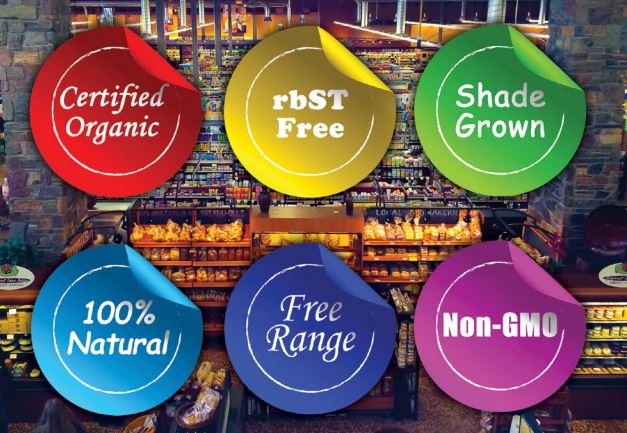
In the early days of food labeling and regulations, it was just about mandating honesty. If you go to buy mayonnaise, you shouldn’t have to wonder if it is mayonnaise, the government reasoned, so they passed a law in 1938 requiring honesty about ingredients. The charlatans went out of the business and the free market that remained embraced “better” ingredients as a marketing distinction. It worked well.


