






Women are playing an increasing role in science today but there are still barriers that can prevent them from achieving success comparable to their male colleagues.

This feeds the argument that there is a gender pay gap in earnings in science, although that doesn’t tell the full story of the challenges facing women scientists.

The Institute of Public Affairs senior researcher Mikayla Novak took the opportunity on International Women’s Day to exhort us to “avoid sensationalist, but misleading average pay gap statistics”, and instead focus on individual choices.

She argued that:


Not many people would know the peculiar vocabulary used to evaluate scientists.

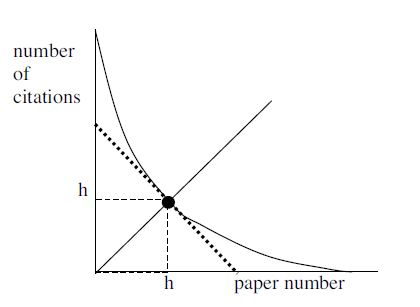
H index’, ‘impact factor’ and ‘citation number’ are some of the snazzy phrases that are now ubiquitous in the world of science. Not all scientific papers are born equal - some are ground-breaking, while most are an incremental advance – and these scales have been developed to help determine the ‘impact’ of the scientific articles that are published.

Cancer researchers say a large genome-wide association study (GWAS) that spanned three continents has identified four chromosome locations with genetic changes that are likely to alter a woman's risk of developing ovarian cancer. 

Researchers say that while more needs to be learned about the function of the specific chromosomal regions involved in susceptibility, the discoveries move them a major step closer to individualized risk assessments for ovarian cancer. In the future, women at greatest risk due to these and other inherited changes may be offered increased surveillance or preventive measures.

An international team of scientists, led by researchers at the University of California, San Diego School of Medicine, have identified the genes encoding a molecule that famously defines Group A Streptococcus (strep), a pathogenic bacterial species responsible for more than 700 million infections worldwide each year.

The findings, published online in the June 11 issue of Cell Host&Microbe, shed new light on how strep bacteria resists the human immune system and provides a new strategy for developing a safe and broadly effective vaccine against strep throat, necrotizing fasciitis (flesh-eating disease) and rheumatic heart disease.


People with life-threatening or incurable diseases may be willing to try experimental drugs and unproven treatments. Credit: juicyrai/Flickr, CC BY-NC-ND

By Tina Cockburn, Queensland University of Technology and Bill Madden, Queensland University of Technology


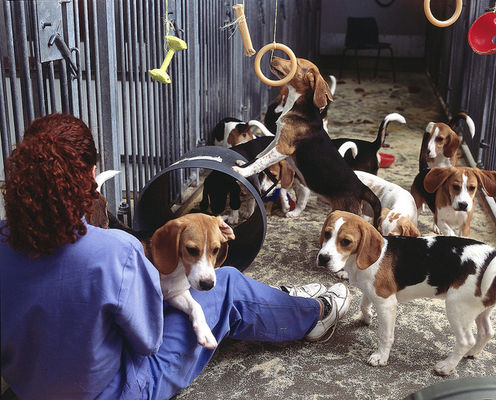
Research undertaken on beagles and the contraceptive pill in the 1970s was found to be fabricated - there never were any beagles. Flickr/Understanding Animal Research, CC BY-SA

By Mark Israel, University of Western Australia

There are a few things you might need for an experiment involving beagles and the side effects of contraceptive pills. Animal research ethics aside, beagles might be a good start.


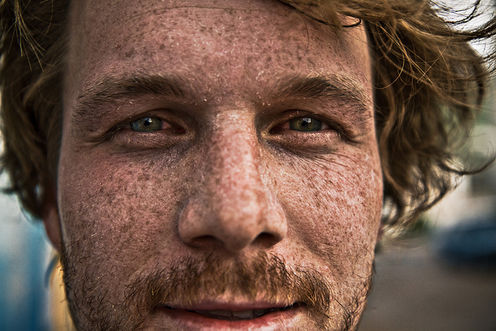
If you're at high risk of skin cancer, check your skin regularly. Roman Königshofer/Flickr, CC BY-ND

By H. Peter Soyer, The University of Queensland and Anna Finnane, The University of Queensland


We don't actually know whether probiotics have a measurable impact on digestive health - and if it is positive. brownpau/Flickr, CC BY-SA

By Paul Bertrand, RMIT University; Andrew Ball, RMIT University, and Kate Polglaze, RMIT University

 Fetal Alcohol Syndrome is one of a group of preventable, lifelong conditions (the Fetal Alcohol Spectrum Disorders) that may result from high alcohol use in pregnancy. It can cause low IQ, delays in development and problems with learning, academic achievement, behavior, motor function, speech and language and memory.

It is also characterized by abnormal facial features and poor growth, before or after birth. 

One in eight children born in 2002 or 2003 and living in remote Fitzroy Valley communities in Western Australia have Fetal Alcohol Syndrome, finds the The Lililwan study published today in the Journal of Paediatrics and Child Health.

In a radio interview , Prime Minister Tony Abbott raised what he described as the “potential health impacts” of wind farms.

