





Fear of looking unattractive can be a stronger motivation for keeping people going to the gym than the hope of looking good, a study says.

Following a heart attack, part of the heart tissue dies. It is still not possible to restore the scar tissue arising as a result of this. The majority of stem cell researchers attempt to make new heart muscle cells from stem cells. Liesbeth Winter of the Leiden University Medical Center, however, was able to prove the concept of using the embryonic potential of adult human cells to train the heart: this cell therapy ensured that less tissue died and that the remaining heart cells functioned better.

The PhD student used the 'Epicardium Derived Cell' or EPDC. This cell plays a crucial role during embryonic heart development: the embryonic EPDCs provide cells for the connective tissue skeleton of the heart and for the walls of the coronary arteries.

There is a new twist on the question of how biological clocks work.

In recent years, scientists have discovered that biological clocks help organize a dizzying array of biochemical processes in the body. Despite a number of hypotheses, exactly how the microscopic pacemakers in every cell in the body exert such a widespread influence has remained a mystery.

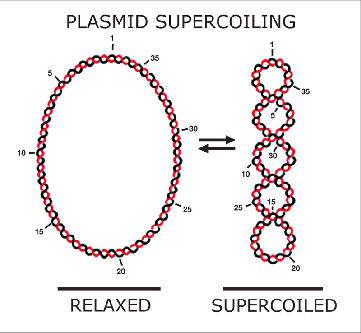
Now, a new study provides direct evidence that biological clocks can influence the activity of a large number of different genes in an ingenious fashion, simply by causing chromosomes to coil more tightly during the day and to relax at night.

Researchers at UCLA, the California NanoSystems Institute, the David Geffen School of Medicine, and the Howard Hughes Medical Institute have modeled the structure of the largest cellular structure ever crystallized, suggesting ways to engineer the particles for drug delivery. The study focuses on newly engineered nanomaterial vaults for use as a drug therapy vehicle.

Vaults are large barrel-shaped particles that are found in the cytoplasm of all mammalian cells, which may function in innate immunity. As naturally-occurring nano-scale capsules, vaults may be useful objects to engineer as therapeutic delivery vehicles. For the study, the team of researchers proposed an atomic structure for the thin outer shell of the vault.

Climate change is the largest environmental change expected this century. It is likely to intensify droughts, storms and floods, which will undoubtedly lead to environmental migrations and potential conflicts in the areas migrated to.

In the aftermath of environmental disasters such as Hurricane Katrina in the US, Rafael Reuveny from Indiana University in the US looks at the role of environmental degradation on population migration, or ‘ecomigration’. He examines its impact on areas receiving migrants and resulting violent conflict in particular. His study has just been published online in Human Ecology.

Embryonic stem cells (ESC) can both self-renew or differentiate into the many cells of the organism and it is crucial to understand the mechanism behind this capability if we want to use them in clinic. Developmental regulator genes are responsible for the activation of many ESC differentiation-pathways and, as such, they are a fundamental key to understand them. And now, research about to be published in Nature Cell Biology, reveals that these genes -always believed to be inactive in ESC before differentiation start - when apparently silent (non-active) are in fact poised, already on the first steps of gene activation only unable to go further due to the presence of repressor molecules.

Several of the world’s most eminent health scientists and organizations today publish a landmark global consensus on the 20 foremost measures needed to curb humanity’s most fatal diseases, their study featured in Nature magazine.

Known as chronic, non-communicable diseases, they are reaching world epidemic proportions and include cardiovascular diseases (mainly heart disease and stroke), several cancers, chronic respiratory conditions, and type 2 diabetes.

Omega-3 fatty acids protect the brain against Parkinson’s disease, according to a study by Université Laval researchers published in the online edition of the FASEB Journal, the journal of the Federation of American Societies for Experimental Biology. This study, supervised by Frederic Calon and Francesca Cicchetti, is the first to demonstrate the protective effect of a diet rich in omega-3 fatty acids against Parkinson’s.

Parkinson’s disease is caused by the progressive death of the neurons responsible for producing dopamine, a neurotransmitter closely linked with movement control. The disease is usually diagnosed when 50 to 80% of these neurons are already dead, and there is currently no medication to stop that process.

ROCHESTER, Minn. -- A review of 62 Mayo Clinic patients who underwent cryoablation to treat cancerous kidney tumors shows that the patients are cancer free for up to two and a half years after having had the procedure.

Also called cryotherapy or cryosurgery, cryoablation is a procedure in which extreme cold is applied to the tumor using a cryoprobe, a hollow needle-like device filled with argon gas. The gas rapidly freezes the targeted tumor.

As this study and others continue to show, cryoablation appears to be an effective treatment for cancerous kidney tumors.

Call for adequate initial system to produce insights, forecasts useful to public, policy makers

Speedy diagnosis of the temper and vital signs of the oceans matters increasingly to the well being of humanity, says a distinguished partnership of international scientists urging support to complete a world marine monitoring system within 10 years.

The Partnership for Observation of the Global Oceans (POGO) says warming seas, over-fishing and pollution are among profound concerns that must be better measured to help society respond in a well-informed, timely and cost-effective way.

“A system for ocean observing and forecasting that covers the world’s oceans and their major uses can reduce growing risks, protect human interests and monitor the health of our precious oceans,” say

