




The rise in year-round consumption of fresh leafy greens such as lettuce and baby spinach is increasing the difficulty of keeping produce free from contamination by food poisoning bacteria.

“The only land suitable for supplying this abundance of year-round, high quality, fresh leafy vegetables, which are eaten raw by large populations in Europe and the United States, is in special geographic regions, with ideal soil and climate conditions”, says Robert Mandrell from the US Department of Agriculture’s Research Service in Albany, California.

This move to the year-round supply of leafy vegetables has required new methods to clean, package and deliver rapidly these fragile food items across large distances to consumers in many parts of the world.

There are major differences in the risk profile and characteristics of female patients treated for acute heart failure. Female patients are underrepresented in management trials on Heart Failure. According to data from the Euro Heart Survey on acute Heart Failure 2004-2005 in Europe, however, medical treatment has improved.

Differencies in gender profile in acute heart failure
Female patients ( m 75 years) are on average 6 years older than male subjects. They represent about 40 – 50% of all acute heart failure hospitalizations. Smoking as risk factor is present only in 15.7% of females compared to 60% in male subjects. Therefore COPD was reported in only 15% of females versus 22% of male subjects.

Using a new “genome-scanning” method, a team of scientists has identified the first robust link between genes and stature in humans. A single letter change in a gene called HMGA2 enables people who carry it to gain as much as a centimeter in height. The work provides insights into how genes hardwire growth in humans and suggests that finding additional height-related genes may be feasible.

It became clear nearly a century ago that many genes likely influence how tall a person grows, though little progress, if any, has followed in defining the myriad genes. Now an international research team brings light to this age-old question by pinpointing a genetic variant associated with human height — the first consistent genetic link to be reported.

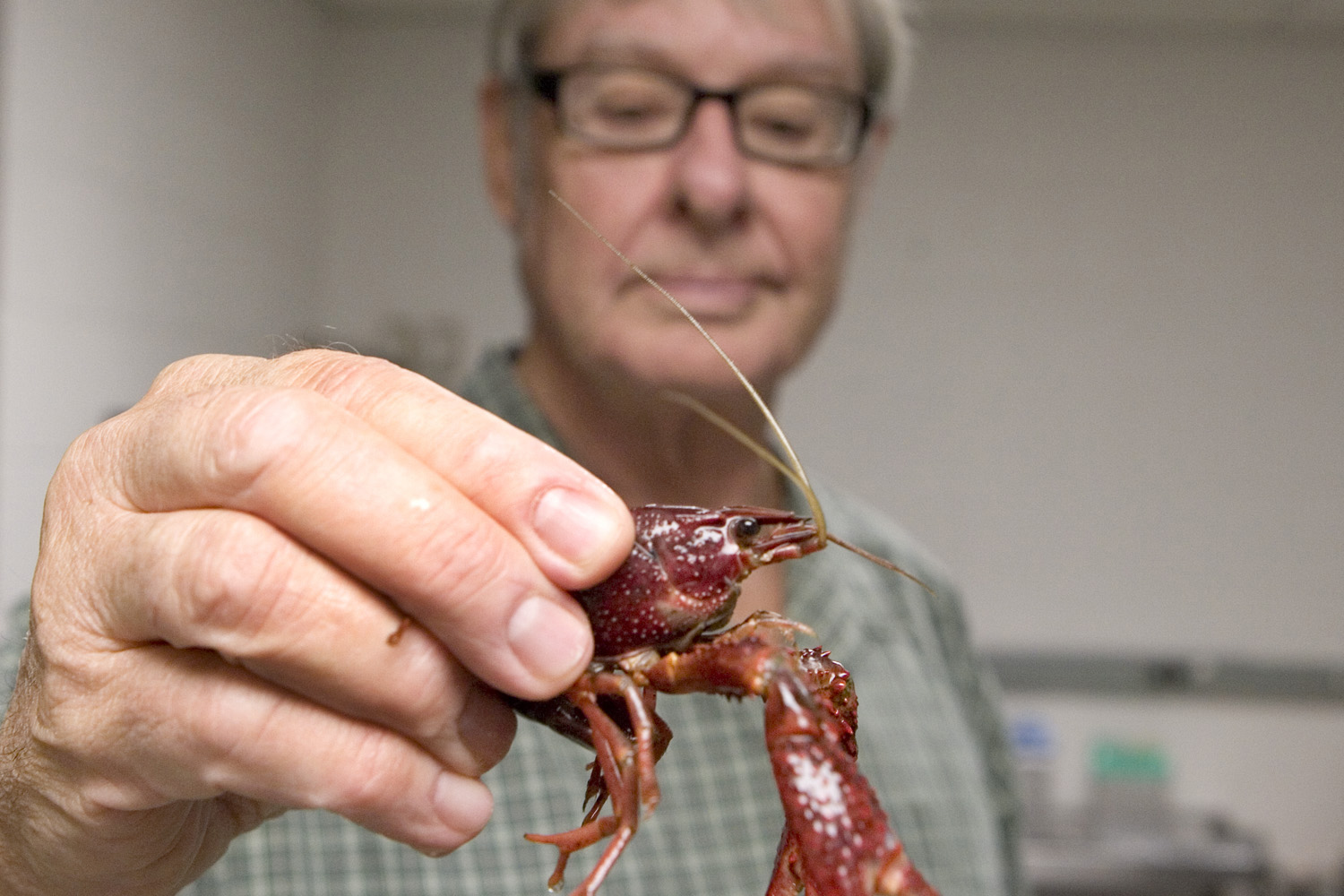
Voyage to the bottom of the sea, or simply look along the bottom of a clear stream and you may spy lobsters or crayfish waving their antennae. Look closer, and you will see them feeling around with their legs and flicking their antennules – the small, paired sets of miniature feelers at the top of their heads between the long antennae.

Both are used for sensing the environment. The long antennae are used for getting a physical feel of an area, such as the contours of a crevice. The smaller antennules are there to both help the creature smell for food or mates or dangerous predators and also to sense motion in the water that also could indicate the presence of food, a fling or danger.

How do adult stem cells protect themselves from accumulating genetic mutations that can lead to cancer?

For more than three decades, many scientists have argued that the "immortal strand hypothesis" - which states that adult stem cells segregate their DNA in a non-random manner during cell division -- explains it. And several recent reports have presented evidence backing the idea.

But now University of Michigan stem cell researcher Sean Morrison and his colleagues say they have dealt a mortal blow to the immortal strand, at least as far as blood-forming stem cells are concerned.

If you wander around the SciFoo Lives On area, you will notice that some of the poster booths have bells. If the text above them is green, it indicates that the presenter is somewhere in Second Life. The visitor can then just click on the bell to summon the presenter with a quick message. If the text is red, the presenter is not in world. However, a message can still be sent and it will show up the next time they log in. Now this can be problematic for users who created a Second Life account exclusively for the purpose of presenting or attending a SciFoo Lives On session since they are unlikely to login again and retrieve IM messages.

Jan 01 1970 | comment(s)

n/a

A University of Leicester research team is working on a new technique for growing nanoparticles which could have extraordinary implications in electronics, medicine, the measurement of atmospheric air and the cleansing of car exhausts.

Dr Andrew Ellis and Dr Shengfu Yang, both of the University’s Department of Chemistry, have discovered a niche way of making nanoparticles that cannot be formed in any other way.

Working with Professor Chris Binns and Dr Klaus von Haeften in the Department of Physics and Astronomy, they are developing a technique involving the use of helium nanodroplets.

For the first time, scientists have extracted human DNA from ancient artifacts. The work potentially opens up a new universe of sources for ancient genetic material, which is used to map human migrations in prehistoric times.

Before this, archaeologists could only get ancient DNA from relics of the human body itself, including prehistoric teeth, bones, fossilized feces, or — rarely — preserved flesh. Such sources of DNA are hard to find, poorly preserved, or unavailable because of cultural and legal barriers.

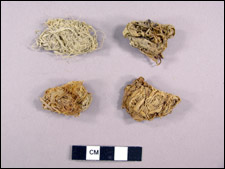
By contrast, the genetic material used in the Harvard study came from two types of artifacts — 800 to 2,400 years old — that are found by the hundreds at archaeological sites in the American Southwest.

A new study authored by Tore Nielsen, PhD, of the Sleep Research Centre at the Hôpital du Sacré-Cœur de Montréal in Montréal, Québec, Canada, found that expectant mothers had their dream content impact impacted and it wasn't always good.

Maternal responsibility and concern led to anxiety in the mother that often spilled over into wakefulness. These kinds of dreams were also accompanied by complex behaviors in new moms such as motor activity, speaking and expressing emotion.

