In the evening of May 30 a giant fireball lit up the skies south of Venice, Italy. The object, which was traveling very slowly along a south-north trajectory, was captured by three video stations in the area, plus observed by countless bystanders and recorded in pictures. The video data allowed to precisely measure the trajectory, which made it clear that the rock was headed straight toward the Venice metropolitan area, and that it would have landed there if it had not disintegrated in flight.
This article continues the series of postings in this blog on the results of artistic work by high-school students of three schools in Venice (out of five who took part initially) that participate in a contest and exposition connected to the initiative "Art and Science across Italy", an initiative of the network CREATIONS, funded by the Horizon 2020 programme of the EU.
Type “BPA” and “toxic” into Google and you get more than 500,000 results, many detailing how this chemical additive, which is used to strengthen plastics and line metal cans to prevent food poisoning, is disrupting your endocrine system and slowly killing you. It’s in your urine! It’s in your blood!
The first Google page is dominated by dire warnings of imminent health catastrophes, some even linking to articles on presumably legitimate websites, such as Newsweek, Mother Jones, Environmental Working Group (EWG) and the Natural Resources Defense Council (NRDC): Infertility. Destroys your body. Impotence. Heart Disease. Cancer.
Solar energy, with tens of billions in subsidies to keep it afloat, now employs more people than the fossil fuel alternative it is irrationally pitted against in media - coal.
Solar panels are fine for elites, just like organic food is - but like with organic food we shouldn't manipulate data to match our belief system.
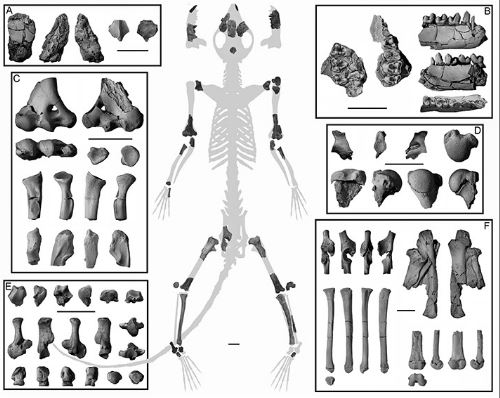
The oldest-known primate skeleton, 62-million-years-old, dwelled in treetops, not on the ground, according to a new analysis.
The study shows that Torrejonia, a small mammal from an extinct group of primates called plesiadapiforms, had skeletal features adapted to living in trees, such as flexible joints for climbing and clinging to branches. Previously, researchers had proposed that plesiadapiforms in Palaechthonidae, the family to which Torrejonia belongs, were terrestrial based on details from cranial and dental fossils consistent with animals that nose about on the ground for insects.
Whole Foods lies to its customers. I have no problem stating that plainly, the evidence is right on their website and if their lawyers object to that, their fraudulent house of cards will come crashing down around them. It's well-known in the science and regulatory community but is often a shock to the public. Recently, I was giving a talk and an agriculture executive handed me a print-off from the Whole Foods website, their Organic landing page. A few things were highlighted. "Can that be right?" he asked.
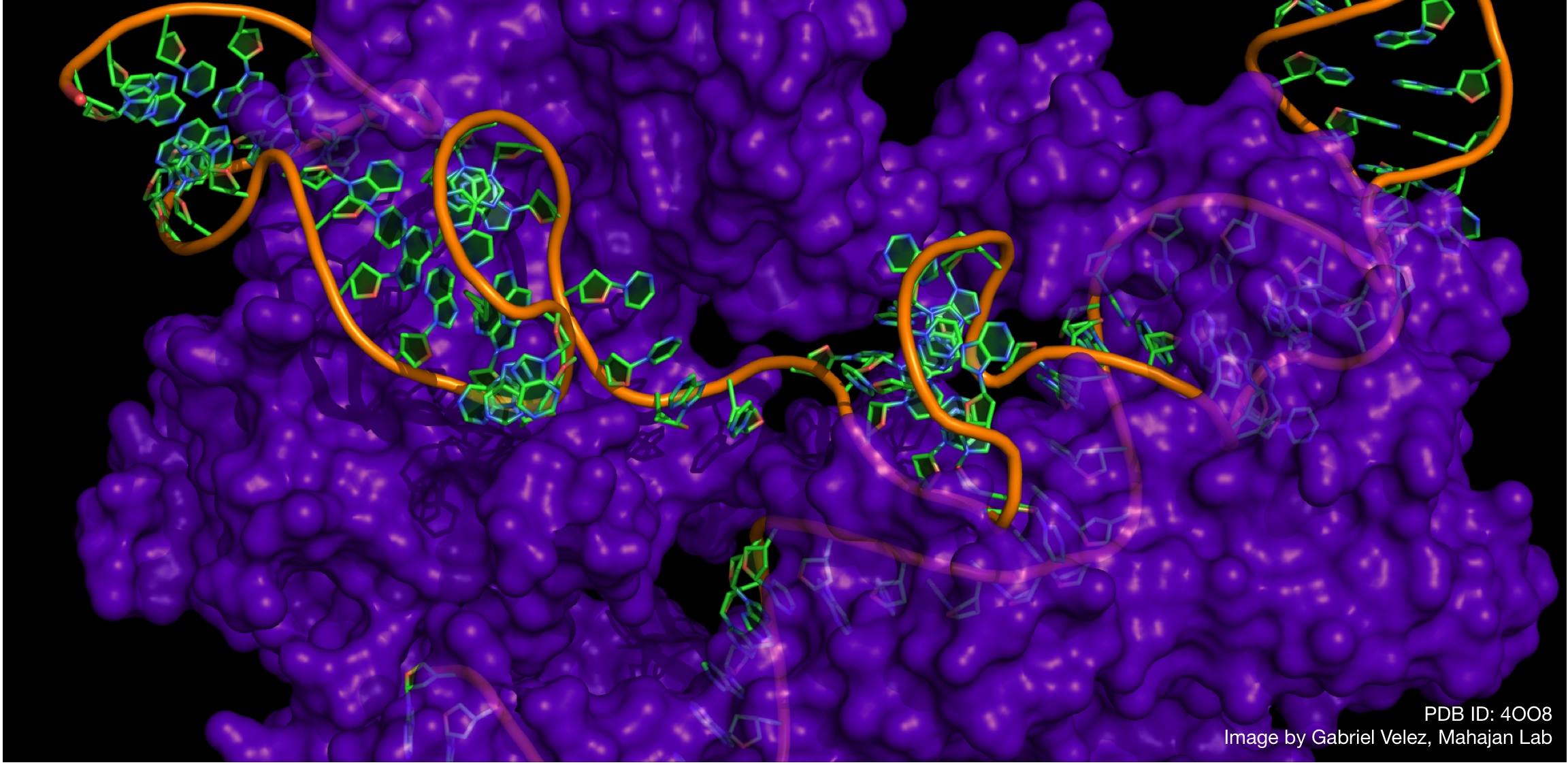
A new paper found that the gene-editing technology CRISPR-Cas9 can introduce hundreds of unintended mutations into the genome, important as it starts to move into clinical trials.
CRISPR-Cas9 editing technology—by virtue of its speed and unprecedented precision—has been a boon for scientists trying to understand the role of genes in disease. The technique also has raised hope for more powerful gene therapies that can delete or repair flawed genes, not just add new genes.
Capacity for vicarious experiences is a fundamental aspect of human social behavior. For example, seeing others experiencing pain can activate brain circuits that are known to support actual first-hand experience of pain.
A new study has revealed how the human brain’s opioid system modulates responses to other people’s pain. The less opioid receptors the participants had in their brain, the stronger were their emotion and pain circuits’ response to seeing others in distress. Similar association was not found for the dopamine system despite its known importance in pain management.
Today I gave a seminar at the Physics Department of the University of Helsinki, to talk of "
Controversial Phenomena in Collider Data and the 5-Sigma Criterion in HEP", invited by Juska Pekkanen and Mikko Voutilanen, two CMS colleagues.
The seminar is more or less the same I have given several times in the past year around Europe and the US. It contains some statistics, some HEP history, and some material taken from my recent book,
"Anomaly!".
The effects of a "bug" in the analysis of functional neuroimages (AFNI) software was greatly exaggerated, a finding that is in defiance of numerous other studies which have found that false positive rates in the analysis of functional magnetic resonance imaging (fMRI) of the brain may negate the findings of countless previous studies.