When the Proposition 65 referendum, the Safe Drinking Water and Toxic Enforcement Act of 1986, was being debated, concerns about abuse and high cost were dismissed by the lawyers behind it with the assurance that lawyers wouldn't decide what products would be deemed carcinogens, the state would abdicate that to France's International Agency for Research on Cancer.
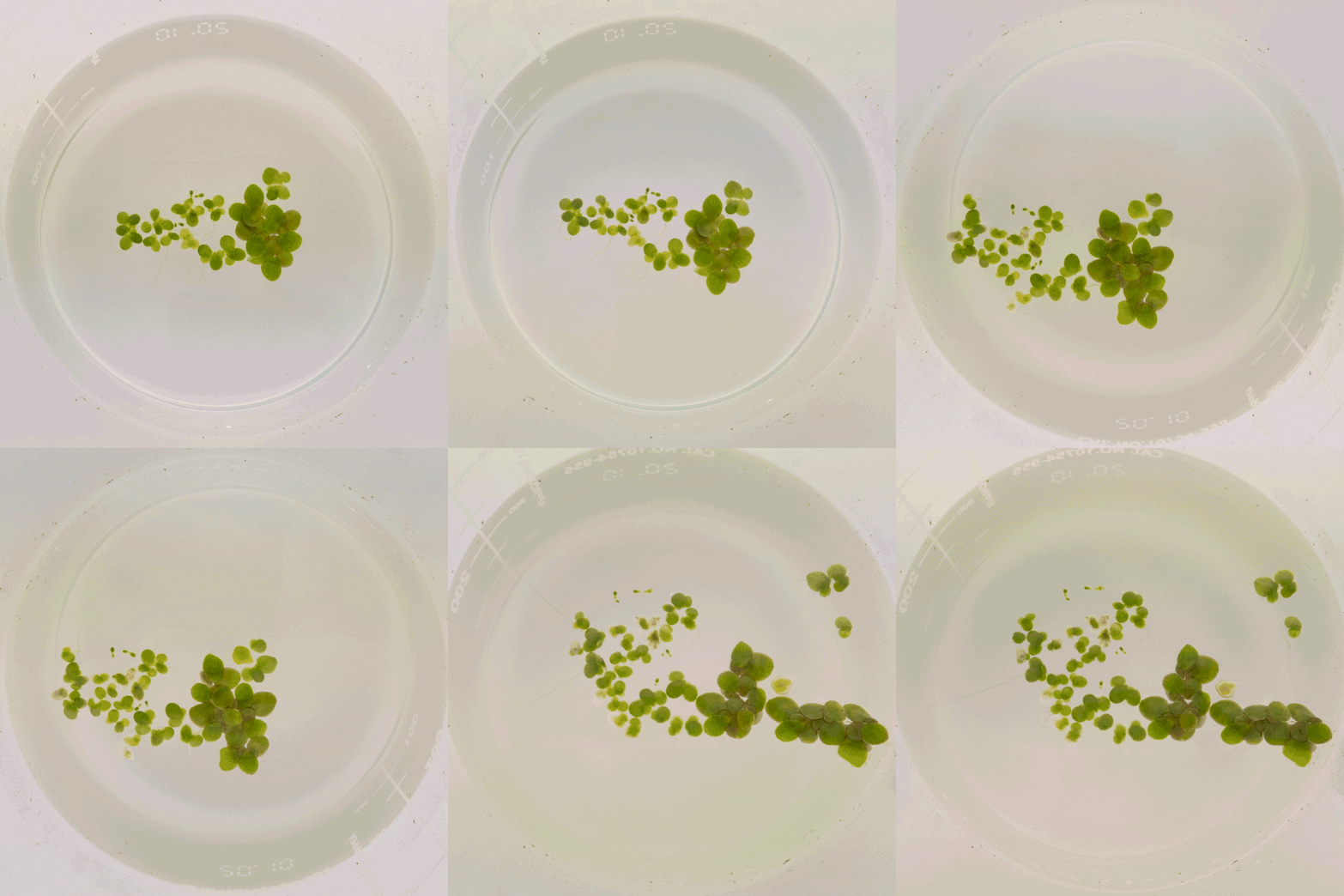
Duckweed split into different species 59 million years ago, when the climate was more extreme than even the most aggressive climate simulation produced now.

A new study, genome sequences for five duckweed species, reveals how duckweed can essentially farm itself, and because it can double in mass after two days what that might mean for the future of food science.
A French team conducted experiments using sparrow chicks and write in Environmental Research that their tests led to slower growth, with females impacted most. 

They targeted the common fungicide tebuconazole, popular on food crops because it can stop everything from necrotic ring spot to blights, mildews, and smuts. They compare it to the popular weedkiller glyphosate, which they claim has caused a decline in birds in Europe, despite scientists showing the top reason for bird population changes in various areas has been land use changes and not the use of pesticides lacking an Organic™ label.

Visitors to the site of Pompeii, the ancient Roman town buried (and so preserved for thousands of years) by the eruption of Mount Vesuvius in 79AD, don’t often think to look beyond the city walls. And it’s easy to understand why: there’s plenty on offer within this monumentally well-preserved town, from jewel-like wall paintings of myths and legends like Helen of Troy, to the majestic amphitheater and sumptuously stuccoed baths.

But step outside the gates for a moment, and you’re in a very different – yet no less important – world.

In a world where misinformation, voluntary or accidental, reigns supreme; in a world where lies become truth if they are broadcast for long enough; in a world where we have unlimited access to superintelligent machines, but we prefer to remain ignorant; in this world we are unfortunately living today, that is, the approach taken by scientists to accumulate knowledge - peer review - is something we should hold dear and preserve with care. And yet...

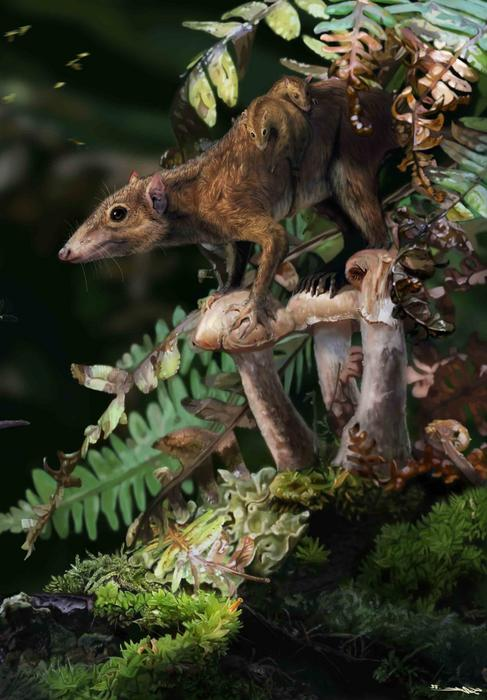
For decades, natural history books have taught that when a catastrophic asteroid struck Earth 66 million years ago, it wiped out the dinosaurs and gave mammals – until then mostly small, tree-dwelling creatures – a chance to flourish on the ground. It’s the classic “mammals rise after dinosaurs fall” narrative.

What are sustainable cities, and can we build them? I put my Institute Fellows’ decades of experience together with the content of this fine conference, and conclude: (1) A sustainable city will attend equally to innovation, to human opportunity and dignity, and to the Earth. (2) Cities are not yet doing that. (3) There are obstacles.

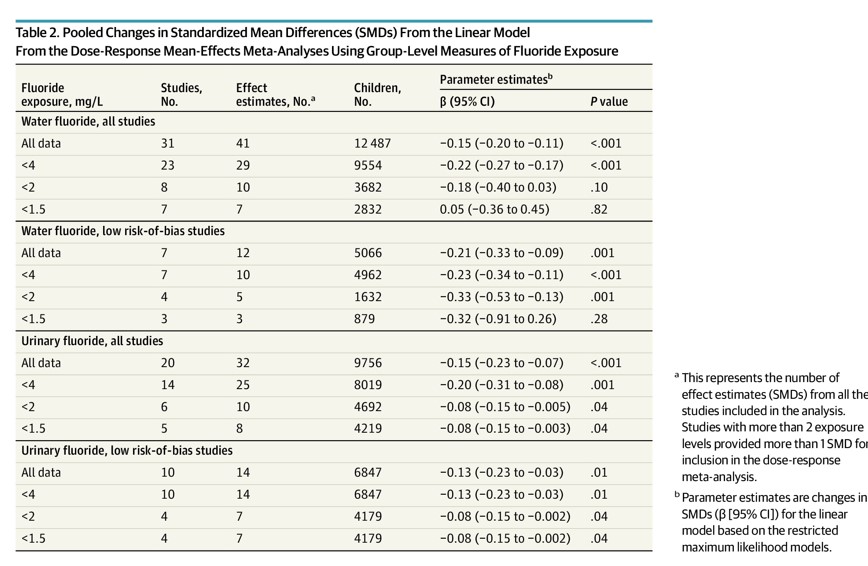
When asked about an effort to ban fluoride in drinking water, Utah Governor Spencer Cox said, "It’s not a bill I care that much about” but he still signed it, despite the health benefits being well-established and claims of harm being the kind of slimy epidemiology that claims "risk" of BPA, weedkillers, PFAS, and too many products to count.

Utah wants to be the California of the right-wing; ban things because it matches the politics of their voters and science will be marginalized.(1)

In 1961, less than one per cent of Canadians identified as having no religion. In 2021, 43 per cent of those between 15 and 35 considered themselves religiously unaffiliated.

Organized religion — and especially Christianity — is in decline. Secularization is advancing apace. Most sociologists of religion agree on this. What they disagree about, however, is why.