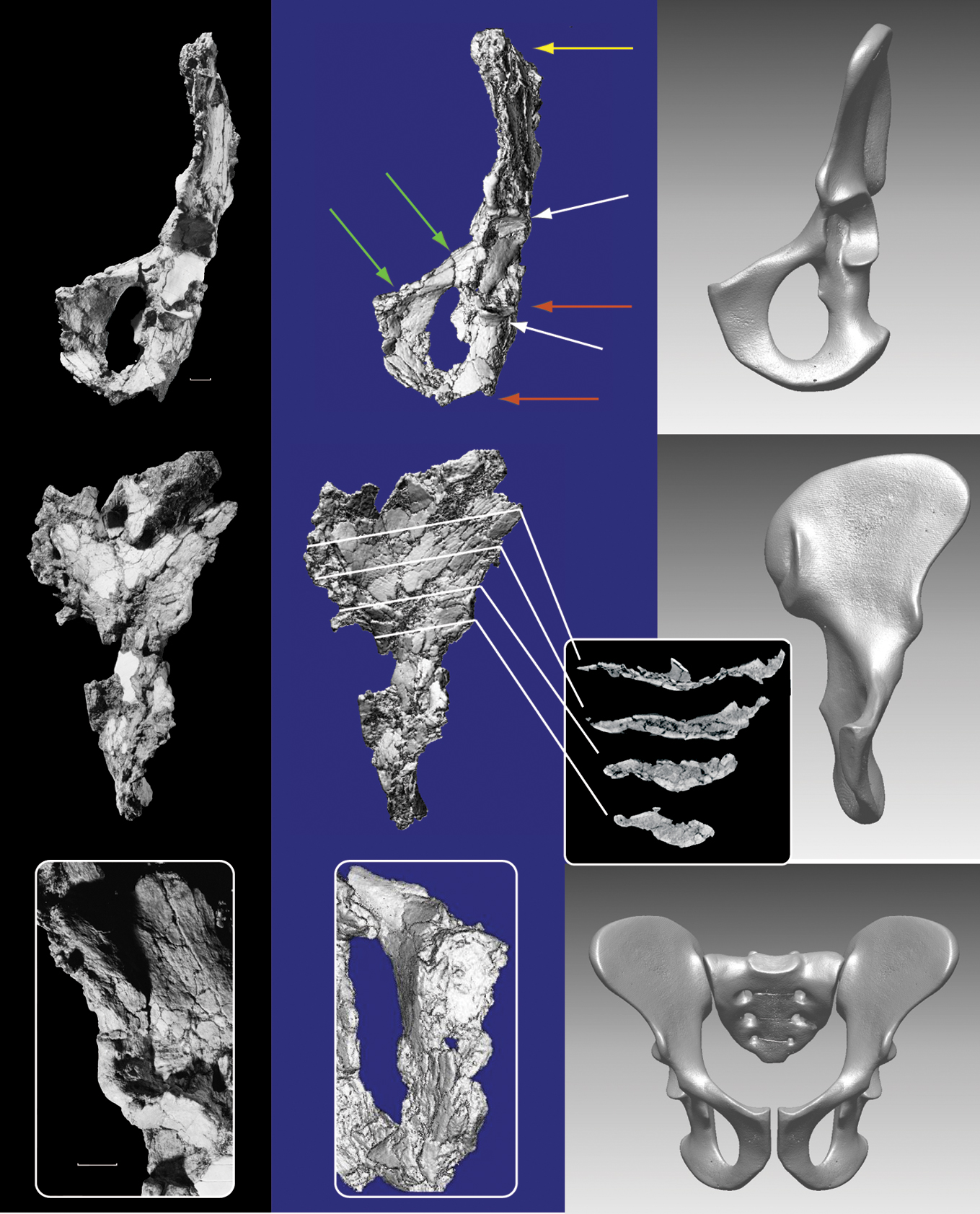
Researchers writing in Science have described Ardipithecus ramidus, a hominid species that lived 4.4 million years ago in what is now Ethiopia.
The last common ancestor shared by humans and chimpanzees is thought to have lived six or more million years ago and Ardipithecus likely shared many of this ancestor's characteristics. In context, Ardipithecus is more than a million years older than the famous "Lucy" female partial skeleton of Australopithecus afarensis. Until the discovery of the new Ardipithecus remains, the fossil record contained scant evidence of other hominids older than Australopithecus.
What a difference a bulb makes? On the 6th of November the 2100 inhabitants of the Isles of Scilly - a small British archipelago just off the mainland – will be asking this and a little more, by switching off for 24 hours all unused electrical apparatus, while measuring online, and in real time, the energy saved. This unique event aims to raise awareness of climate change and energy wastage, whilst showing how easy it is to make a real difference. All this is part of the “Isle of Scilly Earth Summit” that launches this weekend (3/4 October) with talks by islanders from all over the world followed by the energy saving day (E-Day) on the 6th of October.
Reduviasporonites were tiny organisms that covered the planet more than 250 million years ago. According to new research in Geology, they appear to be a species of ancient fungus that thrived in dead wood and the researchers believe that the organisms were able to thrive during this period because the world's forests had been wiped out.
Researchers had previously been unsure as to whether Reduviasporonites were a type of fungus or algae but by analyzing the carbon and nitrogen content of the fossilised remains of the microscopic organisms, the scientists identified them as a type of wood-rotting fungus that would have lived inside dead trees.
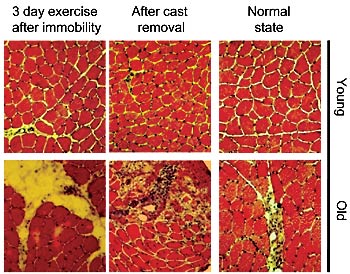
Researchers at the University of California, Berkeley say they have identified critical biochemical pathways linked to the aging of human muscle and, by manipulating these pathways, they were able to 'turn back the clock' on old human muscle, restoring its ability to repair and rebuild itself.
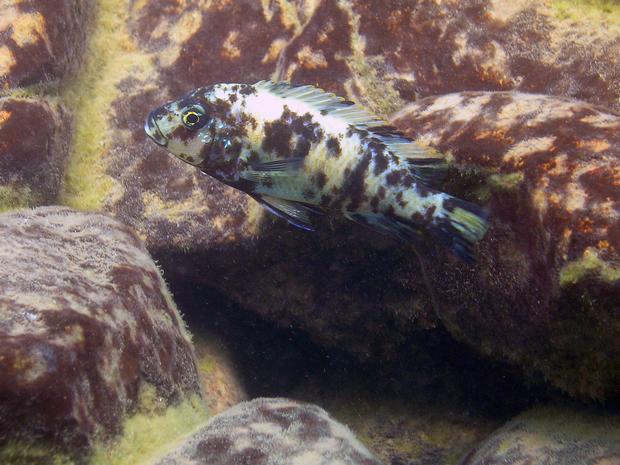
Biologists from the University of Maryland writing in Science have described the genetic basis for two co-existing systems of sexual determination in cichlid fish from Lake Malawi and, in doing so, identified a mechanism by which new sex chromosomes may evolve.
In nearly all mammals, the SRY gene determines the sex of offspring and is located on the Y chromosome, which is much smaller than the X chromosome but in many other animal groups the genetic mechanism of sex determination evolves quite rapidly and the differences between sex chromosomes are harder to observe.
By thinking about packaging size and shape, major environmental gains can be made, says Renee Wever, who will defend his thesis on this topic at Delft University of Technology (The Netherlands) on Monday 5 October. This is a different focus than recycling, the traditional method of environmental savings which hasn't really worked out.
Smaller-sized, more easily handled boxes require less transport and the Dutch packaging industry alone is worth billions of dollars annually. More cleverly designed packaging options could result in significant savings, suggests Wever. According to him, there are also considerable environmental benefits to be achieved, though by focusing on different aspects than usual.
Estimates can be funny things because usually they're brought up by people with agendas rather than people interested in objective analysis. Some estimates in competitive sports put athletic doping usage at 95%, for example, which sounds ridiculously high unless your slippery slope meter works overtime.
What about academia? The non-medical use of methylphenidate and amphetamine is as high as 25% on some US college campuses, particularly in colleges with more competitive admission criteria, says Vince Cakic of the Department of Psychology at the University of Sydney. And the use of smart drugs - "nootropics" - to boost academic performance is increasing.
Sometimes it is helpful to have a catchy word to describe one's type of research. I think that's why "omics" words are so popular -- they encapsulate a complex combination of approaches (usually something + genomics, or something-more-than-genomics) in a memorable way that immediately conveys the gist of the field.
"Metagenomics" is a good example -- it's the study of a larger assemblage of genomes than just one, usually from an environmental sample of microbes. "Proteiomics" is another, or "transcriptomics". Of course, this can get out of hand (see
here).
A research team led by Dr Howard Falcon-Lang from Royal Holloway, University of London, analyzed spectacular discoveries of 300-million-year-old rainforests in Illinois coal mines and came to a conclusion that won't surprise most - Mother Nature is resilient.
Climate change wreaked havoc on these early rainforests but they quickly bounced back, they write in Geology. The ancient rainforests date from the Carboniferous period, 300 million years ago, when most of the world's coal resources were formed.
Researchers writing in BMC Cancer say that post-menopausal women who engage in moderate or vigorous exercise have reduced risk of breast cancer.
Over 110,000 post menopausal women were asked to rate their level of physical activity at ages 15-18, 19-29, 35-39, and in the past 10 years. It was found, over 6.6 years of follow up, that women who engaged in more than 7 hours per week of moderate-to-vigorous exercise for the last ten years were 16% less likely to develop breast cancer than those who were inactive. However, no link was observed between breast cancer risk and physical activity in women who were active at a younger age.