



Like blood vessels that supply oxygen and nutrients to normal tissue, tumor blood vessels were originally thought to do likewise to fuel tumor growth. As scientists developed strategies to kill tumors by cutting off their blood supply, they soon discovered their valiant efforts were thwarted by the tumor's ability to quickly recover.

The recovery is caused by a population of tumor-initiating cancer cells dubbed the cancer stem cells (CSCs); a population that can communicate with blood vessels via the Notch signaling pathway to drive tumor vascularization.

Myeloma treatments require a heavy artillery of novel myeloma drugs to reduce the number of cancer cells (ex: Revlimid, Velcade, or Thalomid), followed by high-dose chemotherapy to wipe out the cancer. Because the latter can completely wipe out blood-forming stem cells (a side effect that can be life-threatening to the patient), clinicians quickly learned to collect patient stem cells right before high-dose chemotherapy, and then transplanting them back into patients after treatment. The feasibility of this approach depends on the effects of myeloma drugs on patient stem cells.

Medical research is both derided and essential.  The public complains that a new experimental drug is not available due to the FDA being too conservative while also complaining that drugs have too many side effects and companies should be sued over the lack of proper testing before release. In popular television, every show that has a character who enrolls in a medical research trial develops giant boils and body tics, it is a humor standby to show that medical research is only done by the economically desperate. In research itself, scientists trust other scientists little and they trust researchers not under the government umbrella even less. Corporations are bad and pharmaceutical companies worst of all.

People lose muscle mass, and find it harder to maintain, as they age, and so researchers have ben investigating ways to delay or counteract age-related muscle loss.

A study conducted by the Exercise Metabolism Research Group at McMaster University suggests that current guidelines for meat consumption are based on the protein needed to prevent deficiency without consideration for preservation of muscle mass, particularly for older individuals who are looking to maintain their muscle as they age. 

President Obama has awarded 12 researchers the National Medal of Science. 11 inventors also received the National Medal of Technology and Innovation. Those are the highest government honors bestowed upon scientists, engineers and inventors.

This year's event marks the 50th presentation of the National Medals of Science, first awarded in 1963 by President John F. Kennedy.   The recipients received their awards at a White House ceremony.

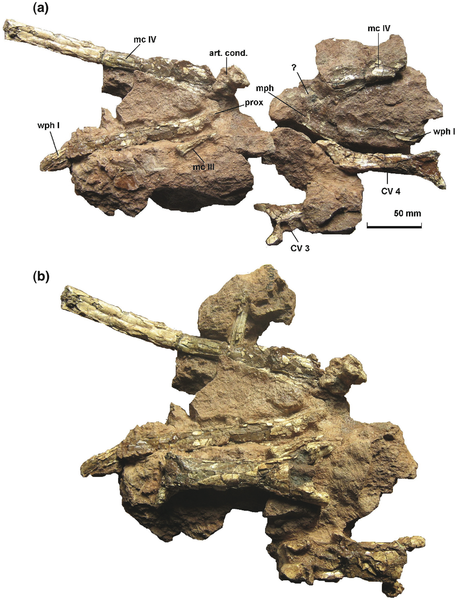
A new kind of pterosaur named Eurazhdarcho langendorfensis was a flying reptile from the time of the dinosaurs, according to scientists from the Transylvanian Museum Society in Romania, the University of Southampton in the UK and the Museau Nacional in Rio de Janiero, Brazil. 

The fossilized bones come from the Late Cretaceous rocks of Sebeş-Glod in the Transylvanian Basin, Romania, which are approximately 68 million years old. The Transylvanian Basin is known for its many Late Cretaceous fossils, including dinosaurs of many kinds, as well as fossilized mammals, turtles, lizards and ancient relatives of crocodiles. 

What happens in our brain when we see banknotes being ripped up?
Professor Steven Chu, who was appointed Energy Secretary under as much optimism as can be imagined in late 2008, has officially resigned, a move everyone knew was coming.

Except for his irrational CO2 fanaticism - an energy Nobel laureate who takes a job in the cabinet has to know we can't just cut off CO2, the way an academic working at a national lab can talk about it - Chu was a much safer choice than the UFO believers and Doomsday prophets the Obama administration was determined to hire after his victory in November of that year.

Sociologists have settled an important debate - namely, do women really want a man that does housework. The answer is 'no', according to an important new paper which found that married men and women who divide household chores in traditional ways report having more sex than couples who share the women's work.  

It's no shock to know there is no anthropology without beer. No history either. Really, it took alcohol to get someone to write down mundane events in longhand.  And beer-making equipment was prized above all else, that is why many of our earliest finds from ancient civilizations have been related to it.
