Inquiry-based learning is at the heart of the controversial
In 1929, an experiment with 28 barley varieties showed why barley, one of the world’s most important cereal crops for at least 12,000 years, has been so adaptable, growing everywhere from Norway to the mountains of South America, and why that means the future remains bright for whiskey and beer.
In most cases, random changes to DNA allowed it to survive in each new location so scientists nearly 100 years ago set out to discover the genes that changed to predict which varieties will thrive in which places. Modern work is highlighting for media its implications in a world of future climate change but nothing happening now compares to the rain and drought booms and busts of the past.
Influences buoyed by epidemiological claims about gimmick diets can make fitness intimidating but ignore them. Even if you don't lose weight, if you exercise
your belly fat is still going to be healthier than someone who does nothing.
It just takes some consistency.
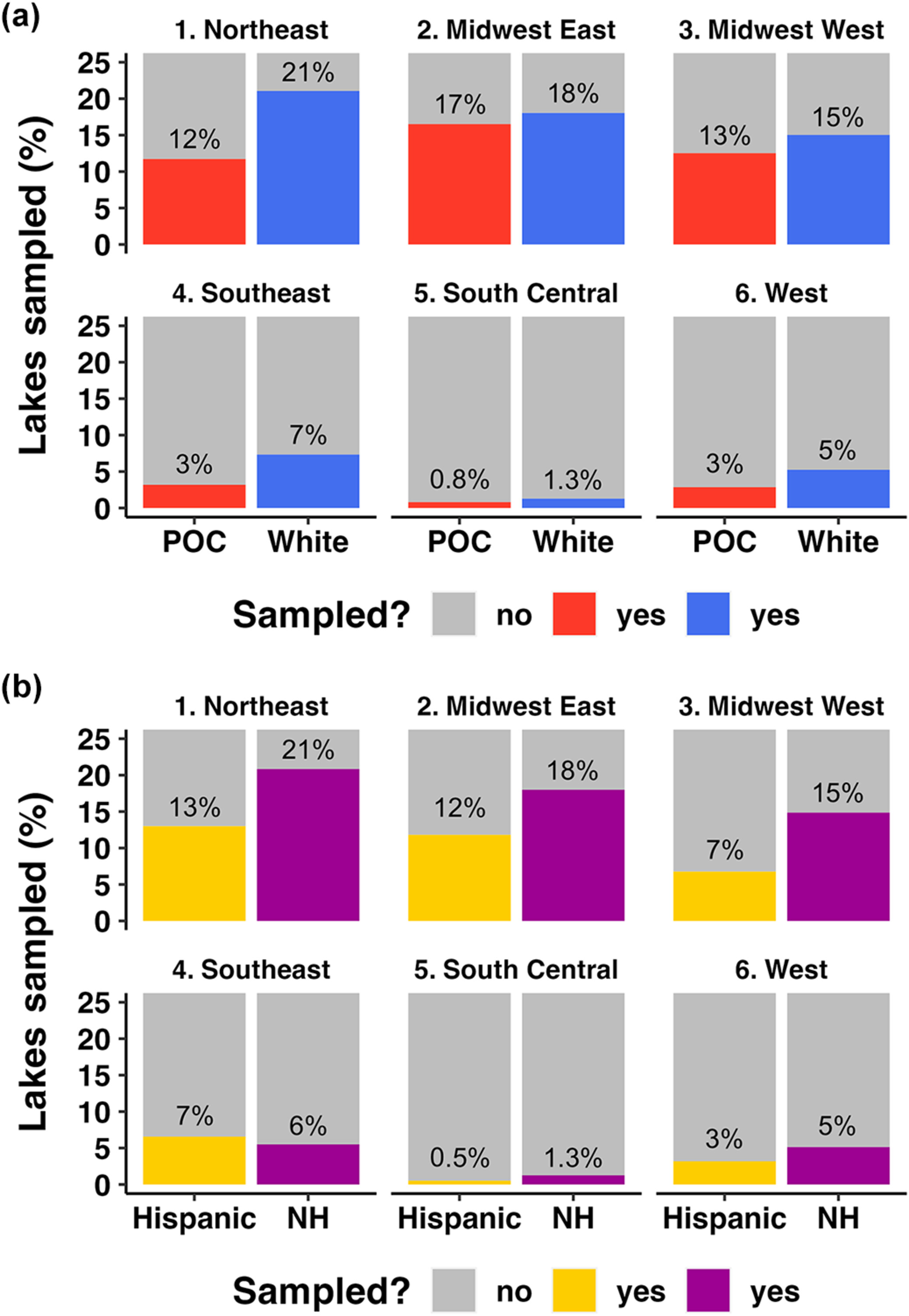
Prior to the takeover of environmentalism by Earth Day's overt communist malcontents (1) it was devoted to clean water and neighborhoods in cities, where the poorest lived.
To get attention and money from other wealthy elites, it pivoted to rural rivers and streams and minorities were marginalized in the rush to control government that would control conservation and "endangered" species(2) and clean water for people of colors stopped being important.
American health care is expensive as are drugs. Both are due to government involvement. If a company is forced to spend 10 years and a billion extra dollars in clinical trials that don't improve safety, they are just placebos so government can say they held companies "accountable", that raises costs for everyone.
Other countries exploit America that way. They wait until the costs are incurred and approval is set in the US, and then tell the company they can only sell in that country for less. The company has to get its biggest profit in the country that made the success possible and Americans pay the cost so Canada can get cheaper drugs.
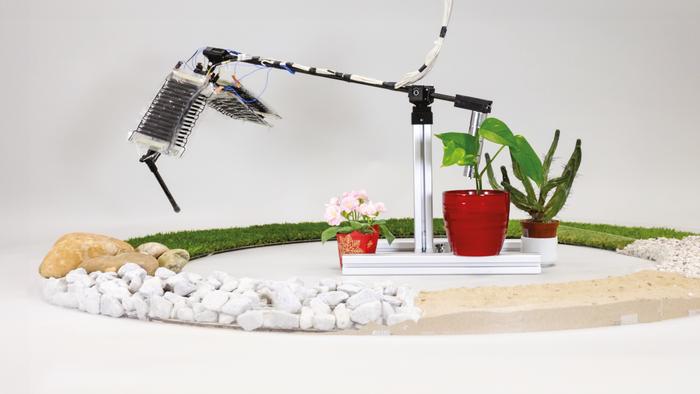
Robots have a 200-year-old problem: motors. Even walking robots feature arms and legs that are powered by motors and that is a barrier to helping the living but
a new muscle-powered robotic leg can jump and move and fast while detecting and reacting to obstacles.
I will start this brief post with a disclaimer - I am not a nuclear physicist (rather, I am a lesser being, a sub-nuclear physicist). Jokes aside, my understanding and knowledge of the dynamics of high-energy nucleus-nucleus collisions and the phases of matter that can exist at those very high densities and temperatures is overall quite poor.
There are about 3X as many white women as black in the US but white women get 8X as much for donated eggs and Diane M. Tober in
"Eggonomics" suggests wealthy people looking for specific traits has gotten to the point of being eugenics.
I am presently in Cairns, sitting in a parallel session of the "Quark Confinement and the Hadron Spectrum" conference, where I am convening a session on Statistical Methods for Physics Analysis in the XXI Century, giving a talk on the optimization of the SWGO experiment, and playing the piano at a concert for the conference, in addition of course to visiting the area. Anyway, all of the above is too much information to you, as this post is about something else.
The World Health Organisation, the last major body to accept that COVID-19 was a pandemic, is out in front extending its highest emergency level over, of all things, monkeypox.
We now know WHO held off on declaring COVID-19 an emergency because former President Donald Trump said it was an emergency and we should cut travel from China. Then he instructed FDA to prepare emergency use authorization standards for a vaccine they believed the private sector could create fast if government got out of the way.(1)