



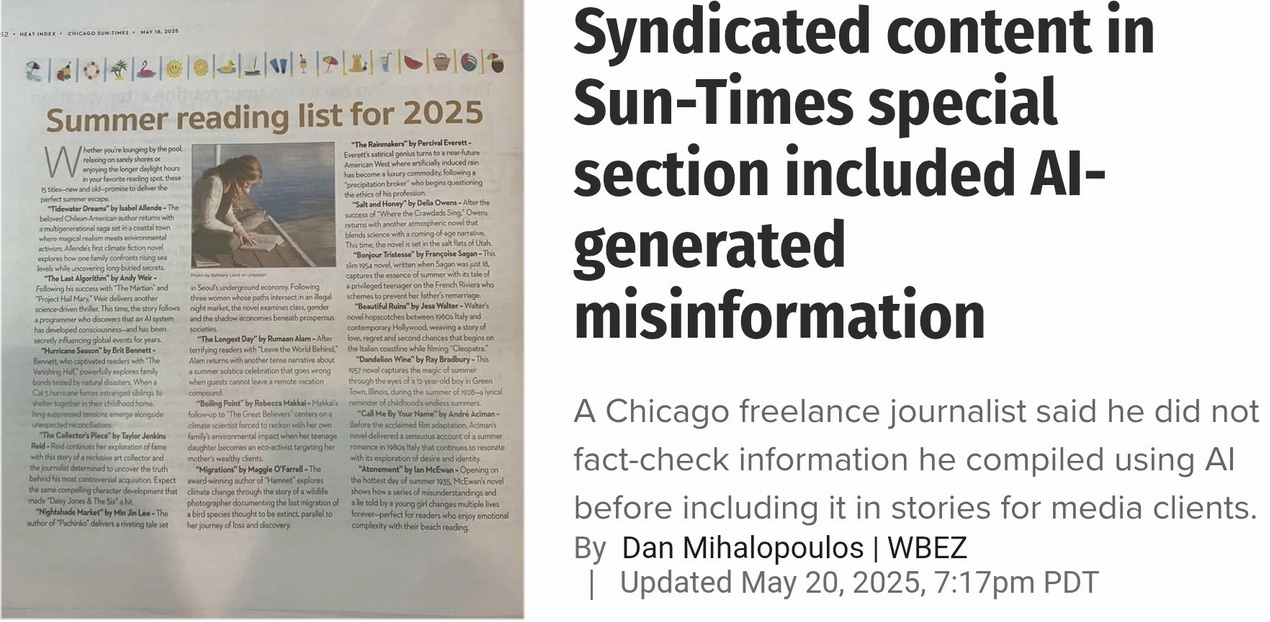
As artificial intelligence tools continue to evolve and improve their performance on more and more general tasks, scientists struggle to make the best use of them. 
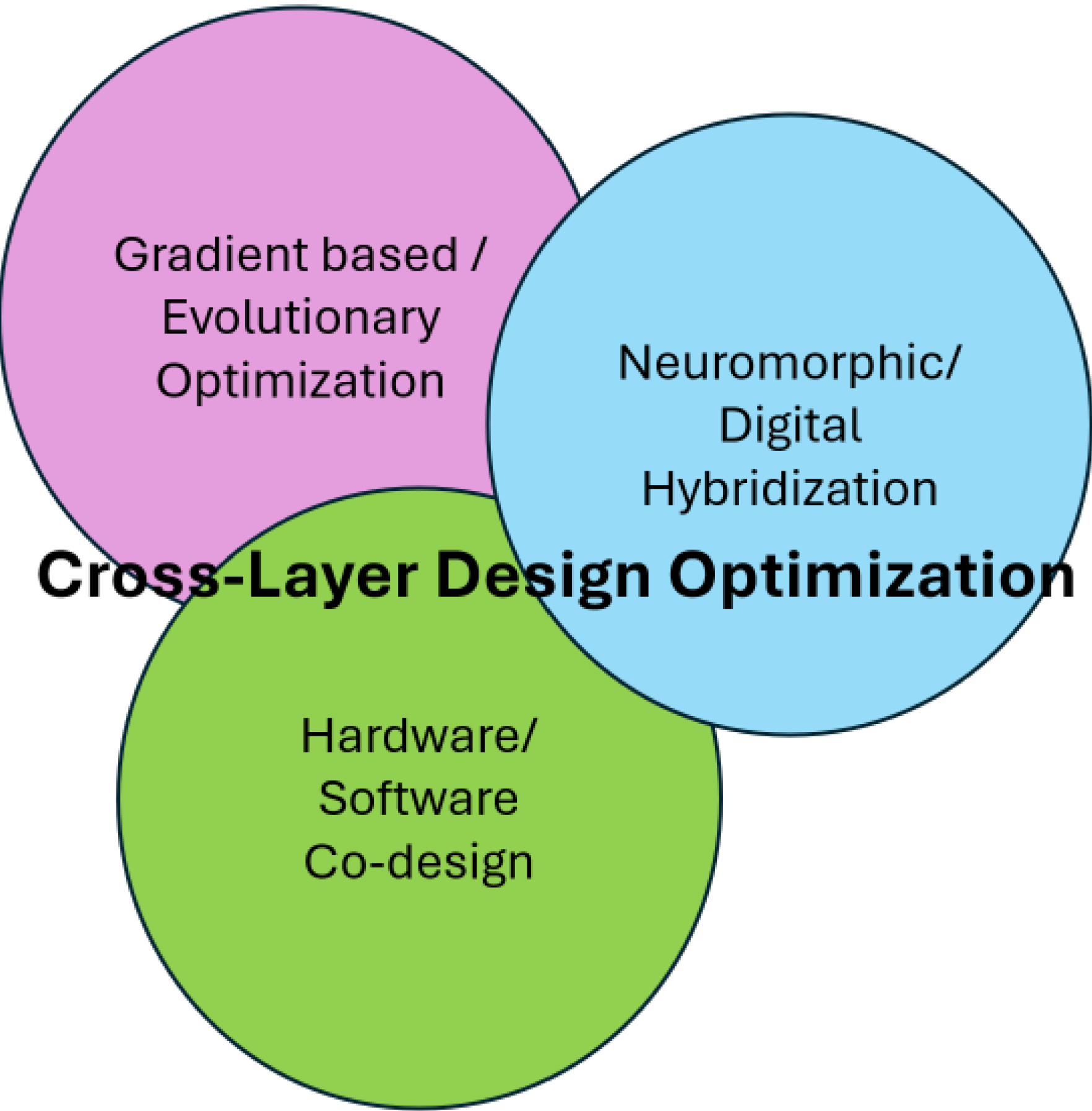
The problem is not incompetence - in fact, at least in my field of study (high-energy physics) most of us have grown rather well educated on the use and development of tailored machine learning algorithms. The problem is rather that our problems are enormously complex. Long gone are the years when we started to apply with success deep neural networks to classification and regression problems of data analysis: those were easy tasks. The bar now is set much higher - optimize the design of instruments we use for our scientific research. 

In 2023, I bit the bullet by signing a book contract with Springer to work on a difficult compilation of scientific misconduct and problematic science publishing practice. It was planned as an edited book that required expert contributors of the field to write chapters on the various topics.

A new Artificial Intelligence analysis of data of ovarian cancer patients links birth control pills to a 26% reduced risk for those had ever used it, and 43% for those who had used the it after the age of 45.

That does not mean you should take it as a way to prevent cancer, it is an endocrine disruptor that binds to estrogen with 20,000X the effect of compounds like BPA that environmentalists tried to claim are too risky in food containers, and this study is EXPLORATORY. With enough data, Australians could link voting for the Liberal Party to lower risk of diseases. Epidemiology can link anything to anything.
While talking to farmers in Illinois on September 25th, 1956 who were concerned about increased government encroachment and regulations brought on by the descendants of eugenicists who had founded "environmental" groups like Sierra Club to promote their beliefs(1), President Dwight D. Eisenhower told them,  “Farming looks mighty easy when your plow is a pencil, and you're a thousand miles from the corn field”

 Scientific information has never been more widely accessible than it is today. While this increased availability fosters awareness and collaboration, it has also contributed to a concerning surge in misinformation and disinformation, especially in the United States.

Recent Pew Research data indicates a decline in public trust in science, withonly 57% of people believing science has had a mostly positive impact on society, down from 73% in 2019. Additionally, 34% of adults now view science’s impact as equally positive and negative.

Are young people dying off en masse or are predatorts at environmental groups who prey on public gullibility rending their holistic shaman-blessed hemp garments because a wave of improving public health has spread across America?
As we approach the fifth anniversary of the COVID-19 lockdowns, there has been ample time to look at what went wrong, and perhaps how we didn't learn much from history.

There are many examples and while politicians ignored it, storytellers have not. In "The Division" game, for example, eco-terrorists spread their pathogen using cash. That made sense. If you are a zealot, disease can do what eugenics and population control efforts did not; get rid of a lot of poor and minority people without controversy, and no one can be blamed because disease is both egalitarian and exculpatory.

Unless it isn't.
The US Environmental Protection Agency estimates about 35 million tons of plastics are generated just in America, and 12.% of that becomes is garbage like plastic containers and bags and even appliances.

Sorry folks, politicians in states like California who insist it's being recycled are lying to you, scientists know better. What really happens to plastic, even if your government is shipping it to China to be "recycled" is landfilling and incineration. A new study finds that measuring how much carbon dioxide a potential chemical looping system would pump out compared to conventional processes to produce synthesis gas could reduce emissions by up to 45.
As part of the celebrations for 20 years of blogging, I am re-posting articles that in some way were notable for the history of the blog. This time I want to (re)-submit to you four pieces I wrote to explain the unexplainable: the very complicated analysis performed by a group of physicists within the CDF experiment, which led them to claim that there was a subtle new physics process hidden in the data collected in Run 2. There would be a lot to tell about that whole story, but suffices to say here that the signal never got confirmed by independent analyses and by DZERO, the competing experiment at the Tevatron. As mesmerizing and striking the CDF were, they were finally archived as some intrinsic incapability of the experiment to make perfect sense of their muon detector signals.
Yesterday, the Senate confirmed former Congressman Lee Zeldin to lead the Environmental Protection Agency. Though the Trump administration has promised reform, there will be big challenges in that. Though high-profile jobs are appointees, the nuts-and-bolts work of governance is done by career employees, and nearly 90 percent of them are Democrats.

