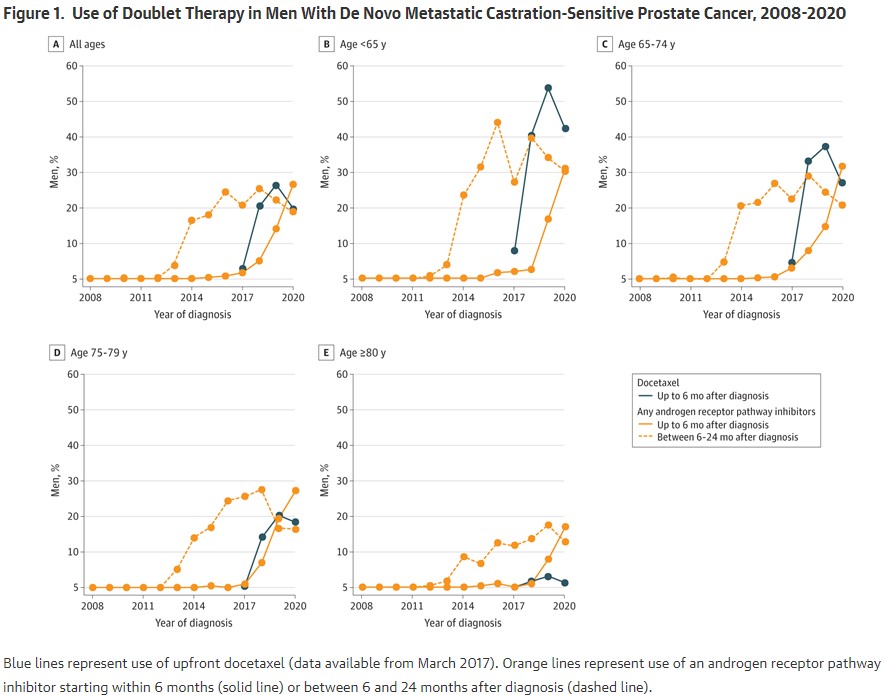
Since the introduction of ‘dual treatment’ drugs, survival rates for men with metastatic prostate cancer have increased by an average of six months, according to National Prostate Cancer Register data of all Swedish men diagnosed between 2008 and 2020.
Dual treatment means that patients receive both standard hormone therapy (GnRH therapy) and chemotherapy or androgen receptor blockers. Research has previously shown that men receiving this treatment live approximately one year longer than those receiving GnRH treatment alone.
The results showed that in 2020 40 percent received dual treatment. The average survival rate among these men increased from 2.7 between 2008 and 2012 to 3.2 years in 2017–2020; equivalent to an increase of about six months.
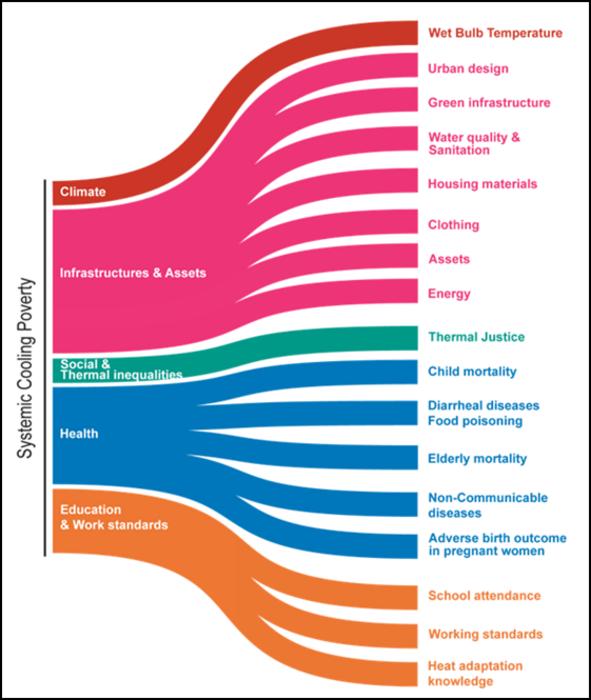
Today, elites like Robert Downey Jr. virtue signal their wealth by taking pristine older restored cars and paying to have them ripped apart so they run on vegetable oil. In the future, it may mean simply having an air conditioner.
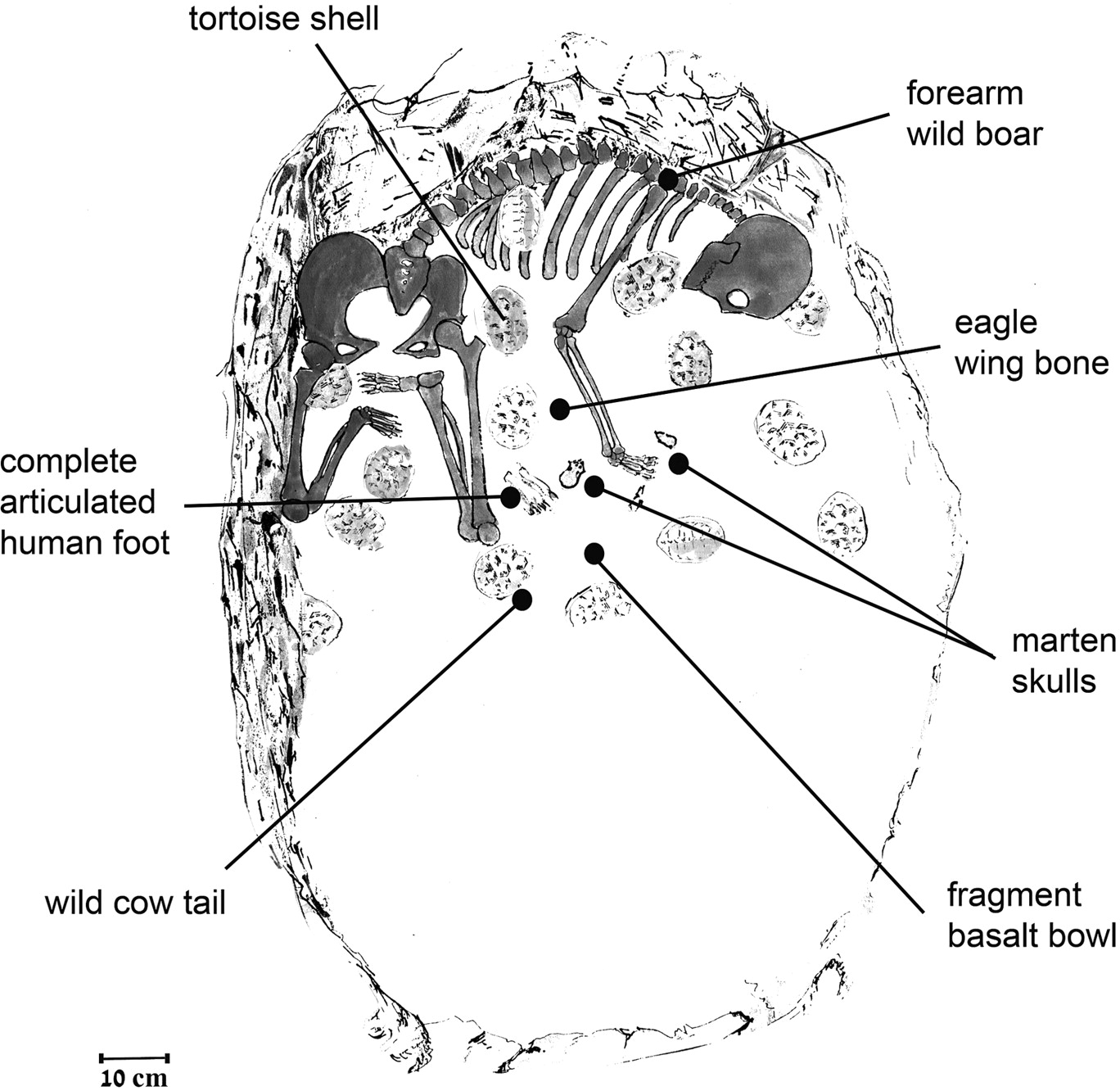
At the Hilazon Tachtit cave site, before it was Israel, before King David even fought the Philistines, the area north of Nazareth and west of the Sea of Galilee was populated by Natufians, an early settled people, and
in 2008 archaeologists revealed details of a burial site unlike any other found in the Natufian period or the Paleolithic before it - instead of a mass grave, like those remains found nearby, it was a lone woman.
If you have been in science media for any period of time, you have seen a predictable pattern; epidemiologists look through columns and rows of foods people claim they eat and diseases or lack thereof and if they get enough to declare "statistical significance" they write a paper noting down at the bottom that they can't show a causal relationship but then send press releases to New York Times journalists who believe in acupuncture absolutely suggesting causation.
Both Neanderthal and early modern humans used birch tar - the first time in known history that a new material came into use.
Coming up with it is one thing, but finding a way to scale it is more challenging.
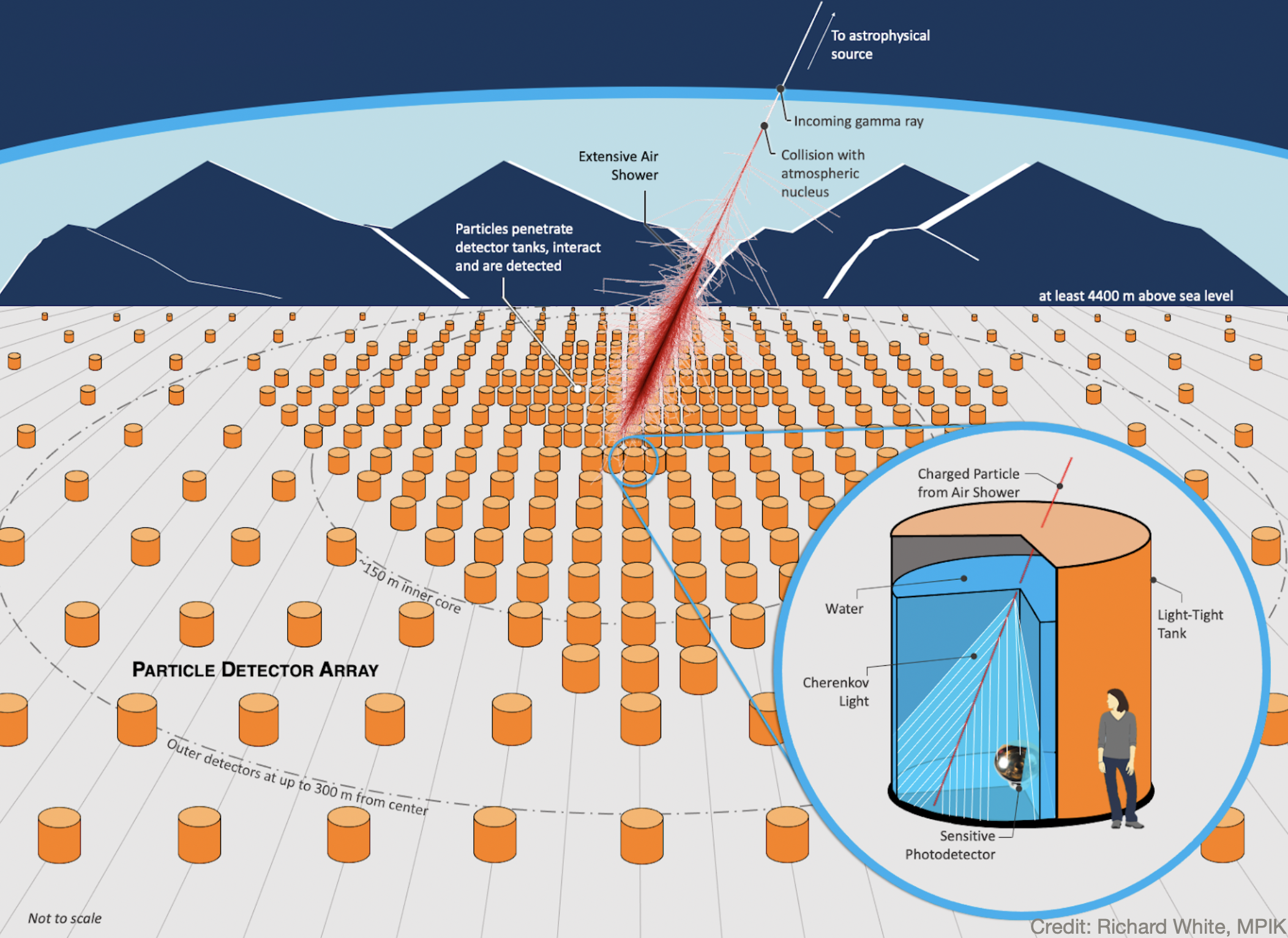
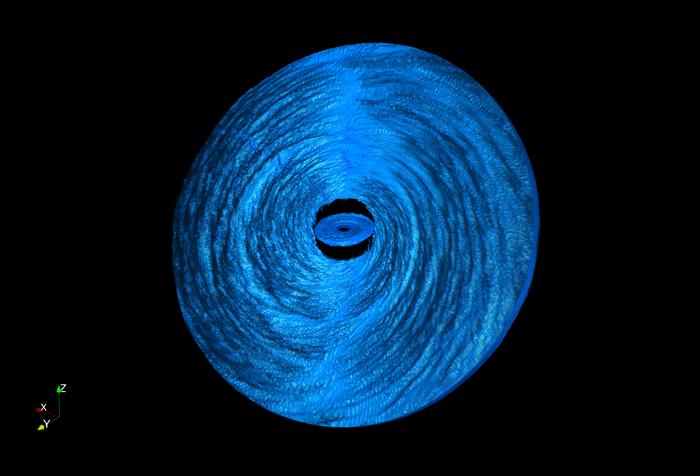
Having spent the past 12 months coding up an end-to-end model of an astrophysics experiment, with the sole aim of searching for an optimal solution for its design by use of stochastic gradient descent, I am the least qualified person to judge the aesthetic value of the results I am finally getting from it.
Therefore it makes sense to ask you, dear reader, what you think of the eerily arcane geometries that the system is proposing. I do not think that to be a good judge you need to know the details of how the model is put together, but I will nevertheless make an attempt at briefing you on it, just in case it makes a difference in your judgment.
Light is the most famous thing that is two distinct entities at once - a wave and a particle - but glass is nearly as mysterious. And not well understood.
We think of glass as being transparent and rigid, is a complex and intriguing material but that is only when cooled and its dynamics slow down significantly. This process, known as “glass transition”, is due to "dynamical heterogeneities," where the dynamics become increasingly correlated and intermittent as the liquid cools down and approaches the glass transition temperature.
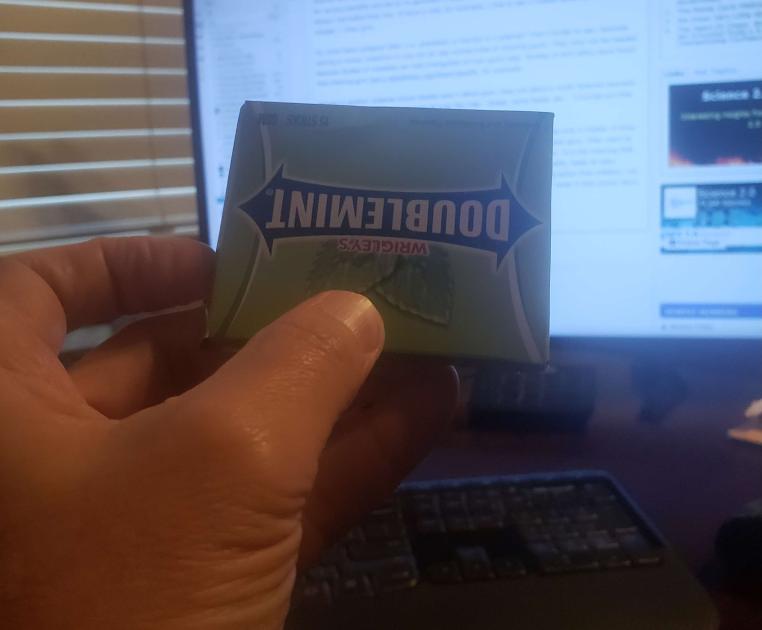
During the COVID-19 pandemic, chewing gum had a bit of a resurgence. Though gum companies disavow any health benefits - they like being in the candy aisle - people have always used it off-label for various benefits and did so to generate a response against possible virus exposures. People have always had habits they like. If have a cold, for example, I like to eat a cheese sandwich. If I get nausea, I chew gum.
The Victorian government, like many governments around the world, has announced new regulations on short-stay accommodation. The government says Victoria has more than 36,000 short-stay places, which are reducing the number of homes available for long-term rental.
Other states have capped the number of nights a dwelling can be used for short-stay accommodation. The Victorian response has been to introduce a levy set at 7.5% of the short-stay platform’s revenue.
Astronomers have speculated that black holes eat slowly.
A recent paper argues that their computer simulation shows just the opposite.
Don't get too excited, this is still a computer simulation about theoretical physics, which isn't out there with science-fiction but is limited by the fact that we know very little about black holes - including how fast they consume the universe around them. The new estimate is that a black hole can tear apart space-time and consume the accretion disk of material around it in months, rather than the hundreds of years that some believe.