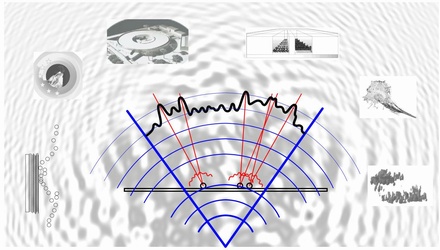
Scientists have development of a new carbon dating method to determine the age of mummies, artwork, and other relics without damaging them.
Presenting at the National Meeting of the American Chemical Society (ACS), they say the method, called Non-Destructive Carbon Dating, could allow scientific analysis of hundreds of artifacts that until now were off limits because museums and private collectors did not want the objects damaged.
Feeling optimistic may actually help you maintain your health, say psychologists writing in Psychological Science.
The authors claim they have found "the first evidence that changes in optimistic expectancies are accompanied by changes in immunity, as well as the first evidence for a mechanism by which this effect occurs."
The conclusion is based on a study of how law students' expectations about their schooling affected their immune responses.
According to a new study in the Journal of Food Composition and Analysis, common marinades used to flavor up barbecued meats may be more than just tasty sauces – they can also provide a major source of natural antioxidants, which help prevent dozens of serious diseases.
The findings, researchers say, are particularly relevant given concerns about the potential health risks and toxicity associated with the use of some synthetic antioxidants. This concern has resulted in an ongoing search for safe and inexpensive antioxidants of natural origins, including those found in herbs and spices.
Research published in Behavioral and Brain Functions suggests that scientists may one day be able to cure phobias, everything from fear of spiders to heights, with a simple injection.
Researchers studied the cerebellum, an area of the brain thought to be involved with the development of fear. Using classical conditioning, Masayuki Yoshida and Ruriko Hirano from the University of Hiroshima taught goldfish to become afraid of a light flashed in their eyes.
By administering a low voltage electric shock every time a light was shone, the fish were taught to associate the light with being shocked, which slowed their hearts – the typical fish reaction to a fright.
A new approach to water desalination called ion concentration polarization may lead to small, portable desalination units that could be powered by solar cells or batteries and deliver enough fresh water to supply the needs of a family or small village.
As an added bonus, the system would also remove many contaminants, viruses and bacteria at the same time.
Fresh water is often in high demand and short supply following a natural disaster like the Haiti earthquake or Hurricane Katrina. In both of those instances, the disaster zones were near the
sea, but converting salty seawater to potable fresh water usually requires a large amount of dependable electrical power and large-scale desalination plants — neither of which were available in the disaster areas.