



Local modifications in histone proteins alter DNA packing density in the cell nucleus to regulate gene activity. They also form the basis of a code in which the significance of a given pattern or motif depends on its broader context.

What bones are to bodies, the cytoskeleton is to cells. The cytoskeleton maintains cellular structure, builds appendages like flagella and, together with motor proteins, powers cellular movement, transport, and division. Microtubules are a critical component of the cytoskeleton, vital for cell division and, because of that, an excellent target for chemotherapy drugs.

Microtubules can spontaneously self-organize, transforming from many singular components into one large cellular structure capable of performing specific tasks. Think Transformers. How they do that, however, has remained unclear.

Some scientists have been so convinced that iron fertilization will help mitigate carbon increases in the atmosphere that, as in Germany and other countries, they have violated international law with illegal experiments.

Another study has found that fertilizing the oceans with iron to produce more carbon-eating algae will not work as those ecological activists have envisioned. 

Scarring is a natural part of any healing process but scar formation within blood vessels can be deadly.

To prevent scarring and the dangerous damage that follows, researchers writing in ACS Biomaterials Science and Engineering discuss development of a new biodegradable material with built-in vitamin A, which has been shown to reduce scarring in blood vessels. This soft elastic material can be used to treat injured vessels or be used to make medical devices, such as stents and prosthetic vascular grafts, to give them intrinsic healing properties. Early tests have shown that the material can reduce cell migration -- a major contributor to the scarring process -- by 57 percent.

Some patients are in desperate need of a liver transplant, so why do many livers go unused by centers across the nation?

Patients on the liver transplant wait list are ranked according to their Model for End-Stage Liver Disease (MELD) score, an objective measure used to predict the risk of death on the wait list and used to prioritize patients and allocate organs. Even with the MELD system in place, there remains geographic differences in the number of patients who die waiting for a transplant, thought to be associated with variations in organ supply by region. 

Here is a problem with truly huge numbers, thought to be unsolvable. 

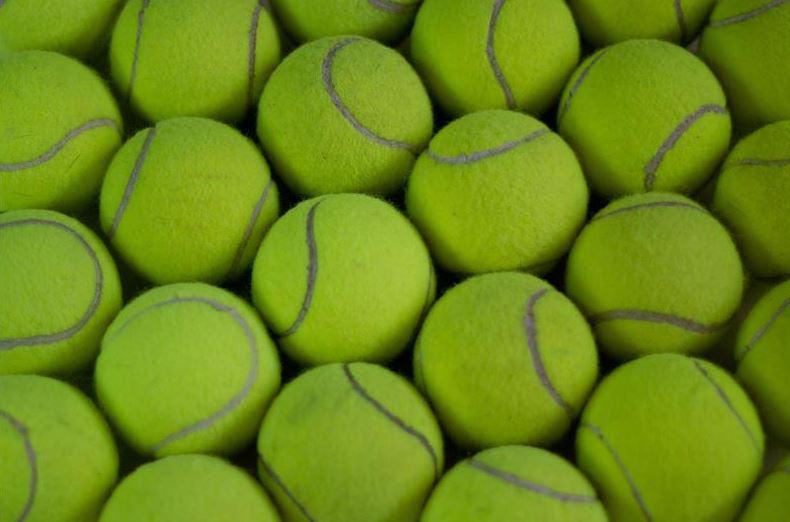
Imagine that you have 128 tennis balls, and can arrange them in any way you like. How many arrangements are possible? According to a new paper, the answer is about 10^250, also known as ten unquadragintilliard: that's a number so big that it exceeds the total number of particles in the universe.

Such “configurational entropy” - a term used to describe how structurally disordered the particles in a physical system are - could lead to a model for the sort of maths that would be needed to solve bigger problems still, ranging from predicting avalanches, or artificial intelligence systems.

It’s a common assumption that being online means you’ll have to part ways with your personal data and there’s nothing you can do about it.

Although much has been written about the differences between "establishment" and "outsider" candidates in the U.S. presidential election, voters don't see each party's candidates as very ideologically different, according to the new RAND Presidential Election Panel Survey (PEPS).

Instead, Democratic voters see Bernie Sanders as only slightly to Hillary Clinton's left and Republican voters see most of the GOP candidates clustered in the center right. All the candidates, with the exceptions of Sanders and Ted Cruz, are perceived as being closer to "moderate" than "very liberal" or "very conservative," according to the online survey of 3,037 adults conducted between Dec. 13 and Jan. 6 by the nonprofit, nonpartisan RAND Corporation.

Children and adolescents have a doubled risk of aggression and suicide when taking one of the five most commonly prescribed antidepressants, according to findings of a study published in The BMJ today.

However, the true risk for all associated serious harms--such as deaths, aggression, akathisia and suicidal thoughts and attempts--remains unknown for children, adolescents and adults, say experts.

This is because of the poor design of clinical trials that assess these antidepressants, and the misreporting of findings in published articles.

Selective serotonin reuptake inhibitors antidepressants (SSRIs) and serotonin-norepinephrine reuptake inhibitors (SNRIs) are the most commonly prescribed drugs for depression.

A new global analysis of seafood found that fish populations throughout the world's oceans are contaminated with industrial and agricultural pollutants, collectively known as persistent organic pollutants (POPs). The study from researchers at Scripps Institution of Oceanography at UC San Diego also uncovered some good news?concentrations of these pollutants have been consistently dropping over the last 30 years.

