




The human brain is made up of billions of neurons, specialized cells which form vast, intricate networks among themselves to process and sort through the barrage of sensory and internal stimuli we are constantly bombarded with and mediate the appropriate response.

Neurons are long thread-like cells with numerous branches projecting from each end to allow communication with other neurons. When excited, an electrical impulse travels through the neuron and, when it reaches the far end, chemical messengers are released into the synapse, a narrow (microscopic) space between the sending and receiving neurons. These messengers then act on the receiving end of the neighboring neuron to either excite or inhibit it.

Science writers eagerly disseminate falsehoods about the peer-review system, for example that critiques are published in the same journal as the criticized article. In truth, critical papers are rejected, whistleblowers blacklisted. “Criticism” in academia is a show-dance that increases the citation count of established players. True criticism is silenced; it may land in some very low impact factor journal, like for example with the takedown of the fake 2008 memristor discovery, because insiders know that nobody reads such journals; they are excess dumps stabilizing the publish-or-perish system.

CSL Limited has developed a new drug candidate that is able to prevent the development of type 2 diabetes and reverse its progression in animal models of the disease. The drug candidate blocks signaling by protein Vascular Endothelial Growth Factor B (VEGF-B) and this prevents fat from accumulating in the "wrong" places, such as in muscles and in the heart. As a result, cells within these tissues are once again able to respond to insulin and blood glucose is restored to normal levels. 

The elusive 113th atomic element has been confirmed by researchers at the RIKEN Nishina Center for Accelerator-based Science (RNC). A chain of six consecutive alpha decays, produced in experiments at the RIKEN Radioisotope Beam Factory (RIBF), conclusively identifies the element through connections to well-known daughter nuclides.

That sets the stage for Japan to claim naming rights for the element, the first Asian country to name an atomic element.

AXA, a UK car insurer, has surveyed UK doctors as part of its ongoing campaign to understand the culture of Personal Injury (PI) claims in the UK and reduce the payouts that have led to substantial rises in car insurance premiums. 

 The surveys say that doctors were under pressure to be part of the GBP 2 billion PI payout, not just through increasing numbers of whiplash patients taking up surgery time but with 7% actually being offered money to refer patients with whiplash injuries. 

 Over the last month, AXA polled doctors across the UK and an overwhelming 88% of those surveyed said they felt the government should introduce new measures to control whiplash claims for motorists. 

Global digital marketing companies Resolution Media and Kenshoo Social published a new report today called "Social Media Insights: Men are Cheap" which claims gender differences in Facebook advertising campaigns and offers actionable guidance to advertisers.

This is the third report in a series for marketers running ad campaigns on Facebook. 

Citizen engagement is essential to our fast-changing civilization. Politics could certainly use more empowerment of common citizens. So could innovative commerce, and even national defense relies on a robust citizenry. But one area with especially bright prospects, is crowd-sourced -- or individual participation in -- inventiveness and science.

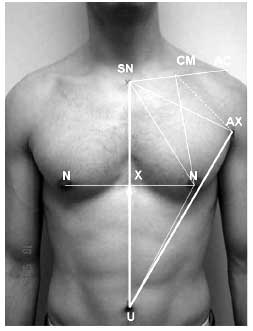
For aesthetic reasons, plastic surgeons are sometimes required to re-position male nipples – after dramatic weight-loss for example. In such a case they are presented, in effect, with a substantially blank canvas. But the presently accepted methods for calculating ideal nipple locations are far from straightforward.

“Currently available guidelines create areolas that are too large, place the nipple-areola complex too high and too far medially, and/or require complex abstract mathematical calculations.”

According to a new market report published by Transparency Market Research, "Global Diabetes Devices Market and Diabetes Drugs Market - Industry Scenario, Trends, Analysis, Size, Share and Forecast, 2011 - 2018," the global diabetes devices and drugs market was worth USD 50.8 billion in 2011 and is expected to reach USD 98.4 billion in 2018, growing at a CAGR of 9.9% from 2011 to 2018.

In the overall global market, North America accounted for the highest share worth USD 19.9 billion in 2011 followed by Europe. However, with the continuous population and economic growth of the Asia-Pacific region, especially India and China, it is expected to witness the highest growth rate in the next six years. 

BOTOX(R) has been licensed by the Medicines and Healthcare Products Regulatory Agency (MHRA) for the management of urinary incontinence in adult patients with neurogenic detrusor overactivity (NDO) due to subcervical spinal cord injury (SCI) (traumatic or non-traumatic) or multiple sclerosis (MS), who are not adequately managed with anticholinergics.

