






Researchers have linked a specific protein to the development of post-viral infection asthma, which is the first step in generating a novel type of asthma therapy designed to prevent development of post-viral asthma in young children.

Asthma is a chronic disease of the airways that affects more than 300 million people worldwide. It is the number one illness leading to school absences in children, and accounts for more than 1.8 million emergency room visits annually. There is no cure; all current therapies focus on providing symptomatic relief and reducing the number and severity of attacks.

A new paper says that breastfeeding and other factors influence a baby's immune system development and susceptibility to allergies and asthma by what's in their gut. The findings, from a series of studies further advance the so-called hygiene hypothesis theory that early childhood exposure to microorganisms affects the immune system's development and onset of allergies, says Christine Cole Johnson, Ph.D., MPH, chair of Henry Ford's Department of Public Health Sciences and principal research investigator.

Human pluripotent stem cells, which include both human embryonic stem cells(hESCs) and adult stem cells like induced pluripotent stem cells (iPSCs), need large numbers for transplantation into patients but the process of translating their potential into effective, real-world treatments involves deciphering and resolving a host of daunting complexities, according to a new study.

The authors say they have definitively shown that the culture conditions in which stem cells are grown and mass-produced can affect their genetic stability.

By Ker Than,  Inside Science

(Inside Science) -- Opinions rarely form in a vacuum. People are heavily influenced by the opinions of others in their social networks, whether they be real or virtual. Some people are not open to new ideas.

These are the zealots, who proselytize an opinion -- the superiority of Apple products, for example, or skepticism about climate change -- in the hopes of convincing others, while stubbornly resisting being influenced themselves.

The more similar the personalities of teachers and their pupils, the more likely the teachers are to grade them highly, according to new research from Germany.

The findings again open up the debate around the subtle biases teachers have about their pupils and how important it is to try and minimize their impact on children’s progress through school.

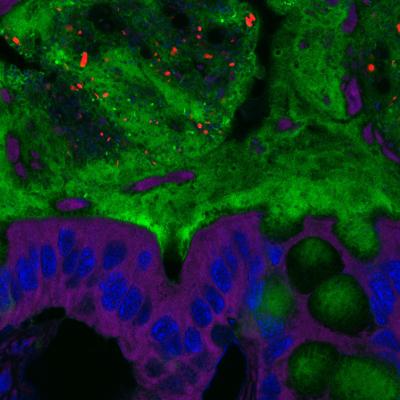
Emulsifiers, which are added to processed foods to aid texture and extend shelf life, can alter the gut microbiota composition and localization to induce intestinal inflammation in mice that promotes the development of inflammatory bowel disease and metabolic syndrome, according to a new study.

The team fed mice two commonly used emulsifiers, polysorbate 80 and carboxymethylcellulsose, at doses seeking to model the broad consumption of the numerous emulsifiers that are incorporated into almost all processed foods. They observed that emulsifier consumption changed the species composition of the gut microbiota and did so in a manner that made it more pro-inflammatory. 

Gender and personality matter in how people cope with physical and mental illness, according to a paper by a Washington State University scientist and colleagues at the University of the Thai Chamber of Commerce.

Men are less affected by a single-symptom illness than women, but are more affected when more than one symptom is present. The number of symptoms doesn't change how women are affected, according to Robert Rosenman, WSU professor in the Department of Economic Sciences. Rosenman worked with Dusanee Kesavayuth and Vasileios Zikos, both at UTCC in Bangkok, Thailand, on the study.

It's hard to hide from a bat: The camouflage and mimicry techniques that animals use to avoid becoming a meal aren't much use against a predator using echolocation. But a new study shows that moths can outsmart sonar with a flick of their long tails.

The study appearing in the Proceedings of the National Academy of Sciences shows luna moths spin their trailing hindtails as they fly, confusing the sonar cries bats use to detect prey and other objects.


