




The Biomat research group of the University of the Basque Country (UPV/EHU) is using marine waste on the Basque coast (squid, fish and algae waste) to obtain new materials. This line of research is offering a fresh take on plastics aligned with the principles of the circular economy, which is based on preserving and improving natural capital by controlling finite stocks and balancing the flows of renewable resources.

In this context, the group’s research is highlighting, in particular, the upgrading of industrial by-products or waste through processes that minimize the use of resources, both material and energy ones, to obtain competitive, sustainable products.

Ever since the 1973 oil embargo, U.S. energy policy has sought to replace petroleum-based transportation fuels with alternatives. One prominent option is using biofuels, such as ethanol in place of gasoline and biodiesel instead of ordinary diesel.

Transportation generates one-fourth of U.S. greenhouse gas emissions, so addressing this sector’s impact is crucial for climate protection.

UPDATE: before you read the text below, one useful bit of information. The author of the analysis described below is not a member of ALEPH since 2004. He got access to the data as any of you could, since the ALEPH data is open access by now. There would be a lot to discuss about whether it is a good thing (I think so) or not that any regular joe or jane can take collider data and spin it his or her own way and claim new physics effects, but let's leave it for some other post. What is important is that ALEPH is not behind this publication, and members of it have tried to explain to the author that the claim was bogus. Indeed, on the matter of the source of the signal: it is clearly spurious, as the muons are collinear with the b-jets emitted in the Z decay.
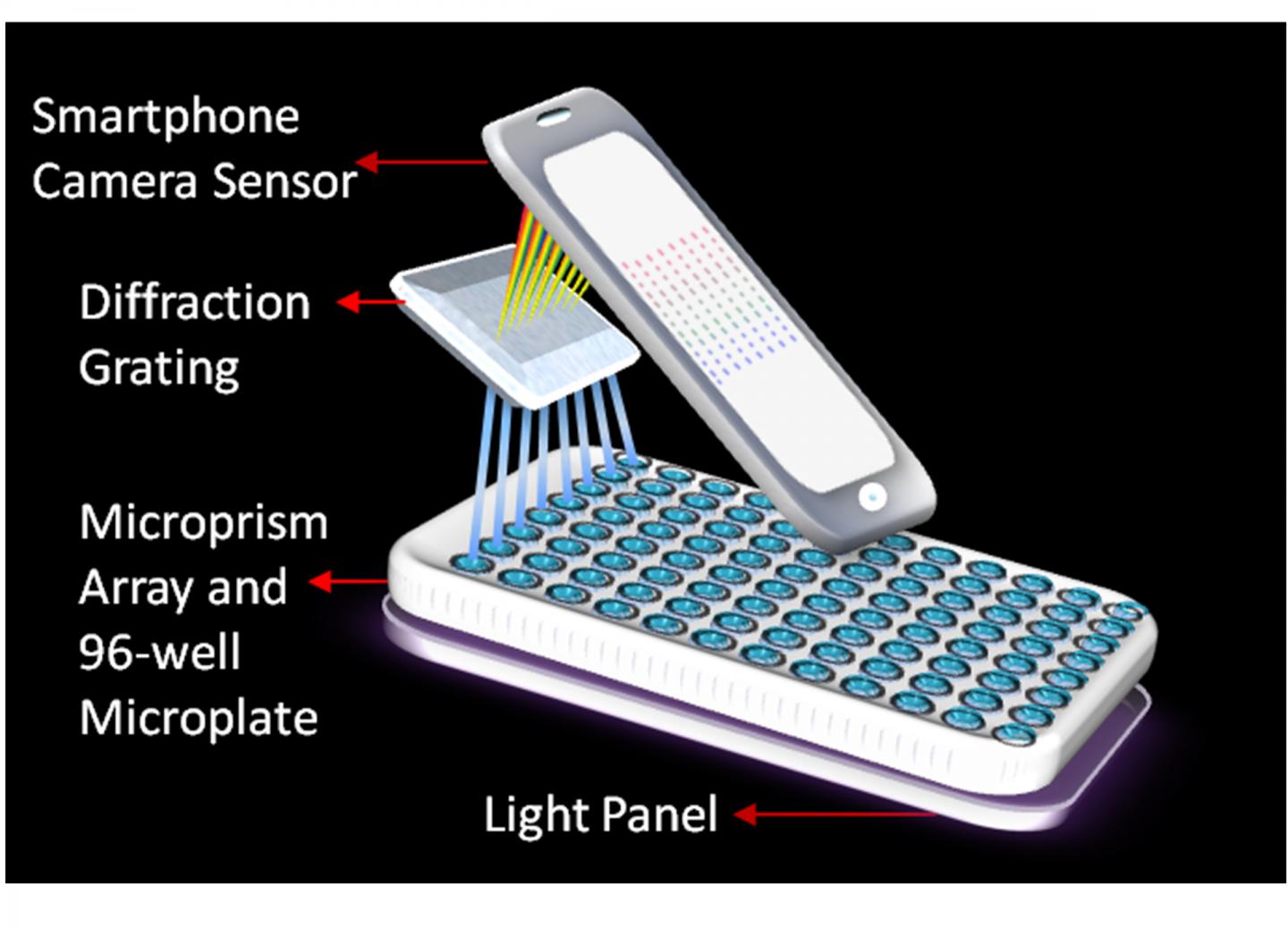
Researchers have developed a low-cost, portable laboratory on an iPhone 5 that can analyze several samples at once to catch a cancer biomarker, producing lab quality results.

At a time when patients and medical professionals expect always faster results, researchers are trying to translate biodetection technologies used in laboratories to the field and clinic, so patients can get nearly instant diagnoses in a physician's office, an ambulance or the emergency room. The team created an eight channel smartphone spectrometer that can detect human interleukin-6 (IL-6), a known biomarker for lung, prostate, liver, breast and epithelial cancers. A spectrometer analyzes the amount and type of chemicals in a sample by measuring the light spectrum. 
"Could you repeat that?" The reason you may have to say something twice when talking to older family members at Thanksgiving dinner may not be because of their hearing. Researchers at the University of Maryland have determined that something is going on in the brains of typical older adults that causes them to struggle to follow speech amidst background noise, even when their hearing would be considered normal on a clinical assessment.

In the study, researchers Samira Anderson, Jonathan Z. Simon, and Alessandro Presacco found that adults aged 61-73 with normal hearing scored significantly worse on speech understanding in noisy environments than adults aged 18-30 with normal hearing. 
New research suggests that "flash droughts", like the one that unexpectedly gripped the Southern Rockies and Midwest in the summer of 2012, could be predicted months in advance using soil moisture and snowpack data.

Scientists at the National Center for Atmospheric Research (NCAR) analyzed the conditions leading up to the 2012 drought, which ultimately caused $30 billion in economic losses, looking for any warning signs that a drought was on the way. They find that observations of snowmelt and soil moisture could have predicted the ensuing drought up to four months in advance.
Researchers have found an association between migraines and microbes that reduce nitrates. Analyzing data from the American Gut Project, they found that migraine sufferers harbored significantly more microbes in their mouths and guts with the ability to modify nitrates compared to people who do not get migraine headaches. 

The Environmental Protection Agency appears to be punting a final decision on the safety of a controversial weedkiller into the next administration.

Since 2009, the agency has been conducting a registration review of glyphosate - one of the world most widely-used herbicides - and its risk to human and environmental health, an assessment required every 15 years.

By some estimates, about 2 billion tons of food, about 50 percent of all the food produced on the planet, is wasted before it ever reaches a human stomach.

That's bad, but science, like apples and potatoes that look more appealing for a longer time, can fix some of that, while better pesticides and scientific optimization can improve yields at the agriculture stage, if environmentalists would stop terrorizing people about food.

Yet a survey by the International Food Information Council (IFIC) Foundation finds something more worrisome now; many Americans are shockingly unaware of their own roles in contributing to the problem,.

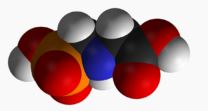
The story of phosphoethanolamine (PHOS) in Brazil, which set off a widely publicized scientific debacle about the dangers of taking unproven compounds as medicines, shows once again that just because some miracle cure is touted in a foreign country doesn't make it real.

This fact is in defiance of anti-science groups convinced of an FDA/Big Pharma conspiracy against cures, but America remains the gold standard for legitimacy, and with good reason. While cancer patients and their advocates may find the process of cancer drug discovery to be opaque or frustrating, the authors of the policy paper argue that the process is an essential part of clinical research.

