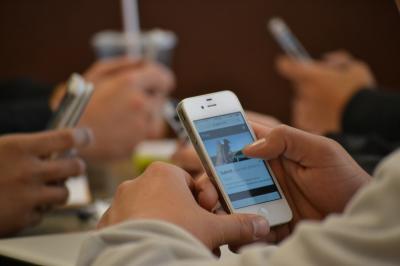






When people spend time interacting with their smartphones, it is changing the way their thumbs and brains work together, according to a report in Current Biology.

More touchscreen use in the recent past translates directly into greater brain activity when the thumbs and other fingertips are touched, the study found. And smartphones have become a good way to explore the everyday plasticity of the human brain.

Not only are people suddenly using their fingertips, and especially their thumbs, in a new way, but many are doing it an awful lot, day after day. Our phones are also keeping track of our digital histories to provide a readymade source of data on those behaviors. 


Frozen cold but not the way beyond absolute zero. Flickr/kriimurohelisedsilmad , CC BY-NC-SA

By Tapio Simula, Monash University

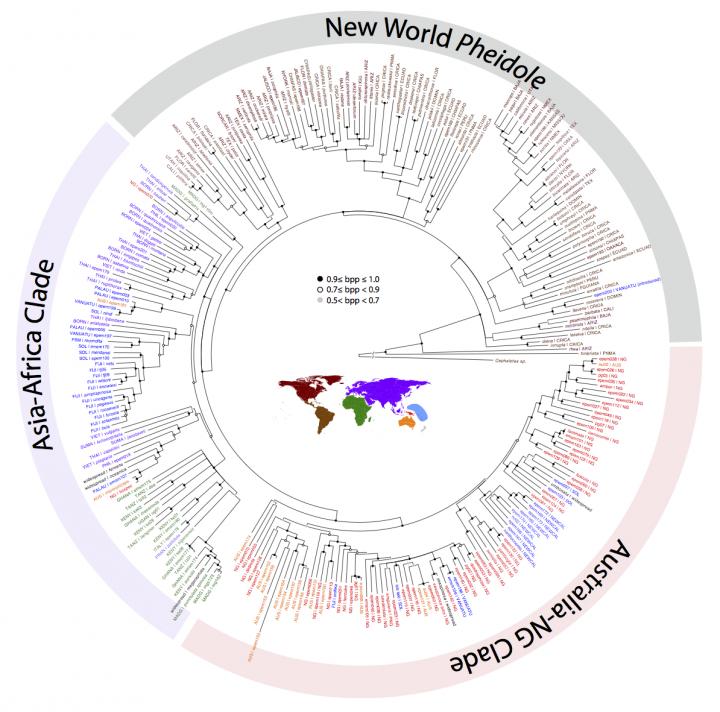
10 percent of the world's ants are close relatives, belong to just one genus out of 323. That genus is  called Pheidole. Pheidole fill niches in ecosystems ranging from rainforests to deserts.  

Do doctors make too much money? It depends on who you ask. The public perception is that doctors now overcharge for services to account for the cost of government paperwork while government routinely picks a fee they will pay based on what doctors charge. And the government pays less for Medicaid than Medicare. What expanded dramatically under the Affordable Care Act? Medicaid.

People discriminate between quantities because it is a way to make decisions - armies are less likely to want to attack when the defense outnumbers them - but with animals it is more clear,  lions, chimpanzees and hyenas will not attack at all if they don't have superior numbers.

These animals use numerical information to make decisions about their social life. 


Testing numerical competence


There are lots and lots of claims about quality - seals of approval are common in lots of businesses, but in the 'sustainable' real estate industry they are frequently touted – and inherently meaningless due to a lack of transparency (see LEED program for energy savings is faith-based more than science-based?).

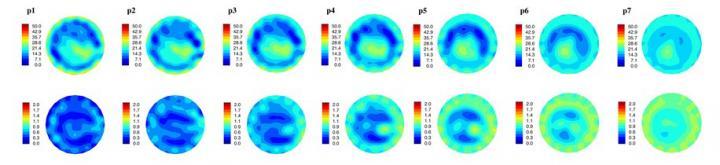
Diagnostic screening systems for breast cancer like X-ray computed tomography (CT) and mammography are effective at detecting early signs of tumors but they subject patients to ionizing radiation and sometimes inflicting discomfort on women who are undergoing screening, because of the compression of the breast that is required to produce diagnostically useful images. 


Overcoming gaps in medical funding. nakrnsm, CC BY

By Stephanie Swift, University of Ottawa

Disease can affect any person, rich or poor. While your bank balance can’t really protect you from getting sick, it could potentially buy you – and many other patients – access to a better treatment for your disease. A new “plutocratic proposal” put forward by Alexander Masters enlists wealthy patients to both fund and participate in clinical trials alongside other patients who could benefit from an otherwise untested new treatment.

Management students entering my thesis prep course without having been involved in research before, or taken a probability course, reliably make these mistakes. Many students go on to do empirical quantitative theses, meaning that their misconceptions about sampling and analysis will come back to bite them.

Let's take a look back through the past 12 months of quantum physics research. sharyn morrow/Flickr, CC BY-NC-ND

By Felix Pollock and Kavan Modi of Monash University.

The past year has provided some of the most interesting developments in quantum mechanics to date. The field is more than 100 years old and has been tested to unimaginable precision, yet some of its most striking statements are still being debated.

