







How much risk can health workers be asked to take on? Mike Segar/Reuters

By Catherine Womack, Bridgewater State University

Taking care of sick people has always involved personal risk.

From plague to tuberculosis to smallpox to SARS, health-care workers have put themselves in danger in the course of fulfilling their duties to care for others. Many have lost their lives doing just that.

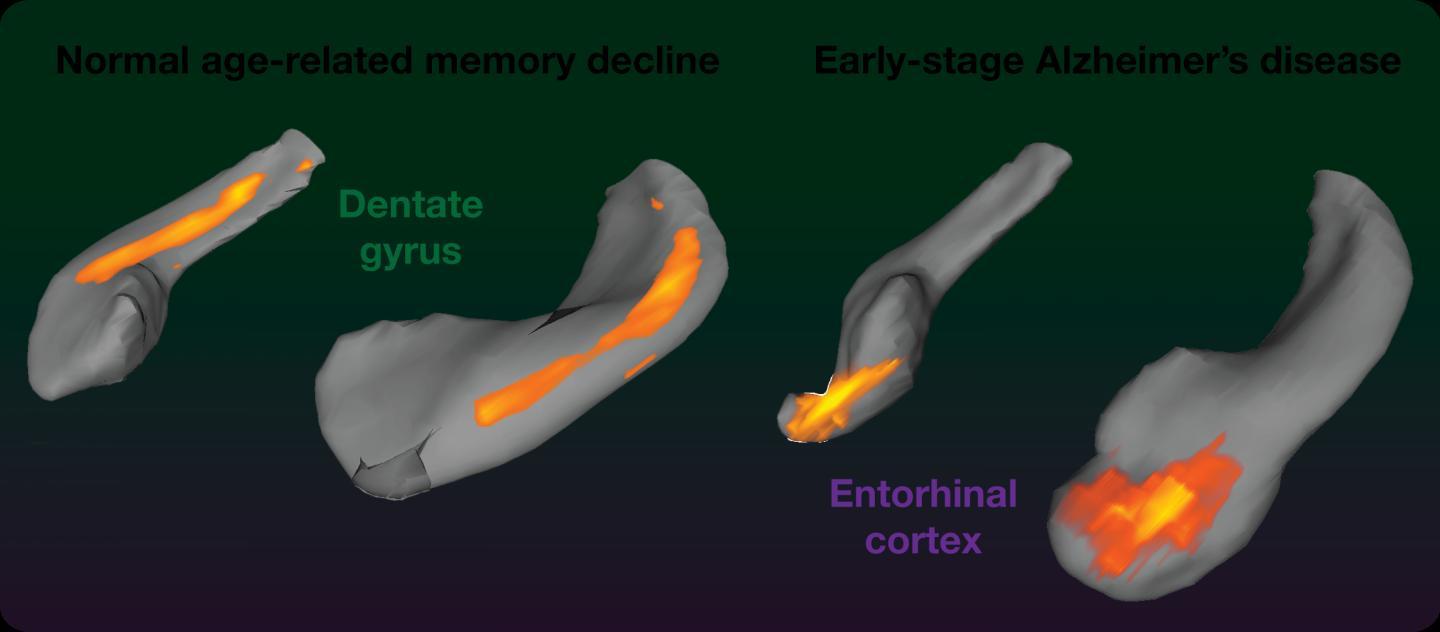
A new study has found that  age-related memory decline in healthy older adults
can be reversed by dietary cocoa flavanols, the naturally occurring bioactives found in cocoa.

The expanding thermonuclear fireball of a nova is a staple of movies and fiction but last year one was witnessed in the constellation Delphinus with unprecedented clarity. The observations produced the first images of a nova during the early fireball stage and revealed how the structure of the ejected material evolves as the gas expands and cools. 

Antibiotics are a part of nature, as is antibiotic resistance. A study on how a powerful antibiotic agent gets made in nature solved a decades-old mystery and opens up new avenues of research into thousands of similar molecules.

The team focused on a class of compounds that includes dozens with antibiotic properties. The most famous of these is nisin, a natural product in milk that can be synthesized in the lab and is added to foods as a preservative. Nisin has been used to combat food-borne pathogens since the late 1960s.

Though the Centers for Disease Control has been a little confused about dealing with Ebola, Disaster Medicine and Public Health Preparedness has guidelines for volunteers who want to help. 

Some are obvious. If you deal with Ebola patients, quarantine yourself for a little while. People in the bowling alley don't need to know right now that you were with Doctors Without Borders and that you just got back from helping overseas.

Common sense is needed, though The World Health Organization has asked for more volunteers to aid in the outbreak. More is not better if they are not trained and prepared, so it is best to have trained emergency response clinicians instead of medical students and trainees. 

Scientists have documented the rapid evolution of a native lizard species as a result of pressure from an invading lizard species introduced from Cuba. 

After contact with the invasive species, the native lizards began perching higher in trees, and, generation after generation, their feet evolved to become better at gripping the thinner, smoother branches found higher up. It only took about 20 generations - 15 years - but even within a few months, native lizards had begun shifting to higher perches and as time passed their toe pads had become larger, with more sticky scales on their feet.

A family-focused intervention program for middle-school Mexican-American children leads to fewer drop-out rates and lower rates of alcohol and illegal drug use. . 

High-school aged youth that participated in the Bridges to High School program when they were in seventh grade were more likely to value school and believe it was important for their future. They reported lower rates of substance use, internalizing symptoms such as depression, and school drop-out rates compared to adolescents in a control group. 

A recent survey found that 50% of final year veterinary students in the UK don't feel confident discussing dental problems or doing oral cavity examinations of small pets.

Most vets just dread the idea of seriously discussing feline dental procedures.

UK veterinarians Rachel Perry and Elise Robertson have taken it upon thenselves to plug this educational and fee gap and have coordinated a ground-breaking two-part special issue of the Journal of Feline Medicine and Surgery devoted to feline dentistry.


A recent study shows plants may absorb more carbon than we thought. Jason Samfield/Flickr, CC BY-NC-SA

By Pep Canadell, CSIRO

Through burning fossil fuels, humans are rapidly driving up levels of carbon dioxide in the atmosphere, which in turn is raising global temperatures.

When obese children with asthma run out of breath it could be due to poor physical health related to weight, yet it is considered asthma often enough that there could be high and unnecessary use of rescue medications, finds a paper in the Journal of Allergy and Clinical Immunology

The researchers reviewed the lung function, treatment uses, symptom patterns, healthcare utilization, quality of life and caregiver perceptions of asthma-related quality of life in overweight/obese children with asthma (BMI ≥ 85th percentile) and lean counterparts (BMI 20-65th percentile). In total 58 children participated in the study's three clinical visits.

