












How many freebies can you carry? Credit: Nottingham Trent University, CC BY-NC-ND

By Kira Shaw, University of Sheffield

Transcranial magnetic stimulation (TMS) of the left dorsolateral prefrontal cortex can treat symptoms of depression in humans by placing a relatively small device on a person's scalp and stimulating brain circuits, yet little is known about how TMS produces these beneficial effects.

Some studies have suggested that TMS may modulate atypical interactions between two large-scale neuronal networks, the frontoparietal central executive network (CEN) and the medial prefrontal-medial parietal default mode network (DMN). These two functional networks play important roles in emotion regulation and cognition.

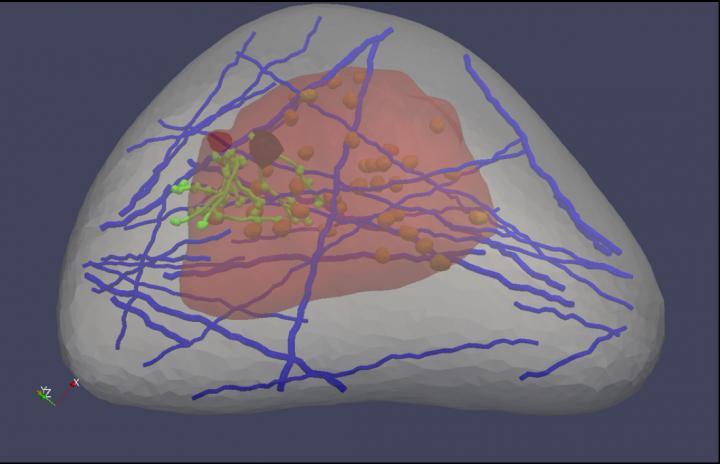
Breast cancer is the second leading cause of cancer death in women, which is why so many medical professionals encourage women to get mammograms. But the tests are not very accurate: only a minority of suspicious mammograms actually leads to a cancer diagnosis.

Bad results lead to needless worry for women and their families—not to mention the time, discomfort and expense of additional tests, including ultrasounds and biopsies. 


Phreatic eruption: Mount Ontake. Credit: EPA/Ministry of Land, Infrastructure

By Rebecca Williams, University of Hull

Mount Ontake, Japan’s second-highest volcano, erupted killing at least 31 people on September 27.

Since then, there has been feverish speculation about why tourists were on an active volcano and why the eruption wasn’t predicted.

 An analysis of death certificates from 1999 to 2010 has found that medications are the leading cause of allergy-related sudden deaths in the U.S. The study in the Journal of Allergy and Clinical Immunology also found that the risk of fatal drug-induced allergic reactions was particularly high among older people and African-Americans and that such deaths increased significantly in the U.S. in recent years.  


Women ask why there aren't more women in lists of top scientists. Credit: Katrina Cole, CC BY-NC

By Victoria Metcalf, Lincoln University, New Zealand

A steady infiltration of scientists onto Twitter has accompanied the growing recognition that a social media presence is just as important as taking the podium at a conference.

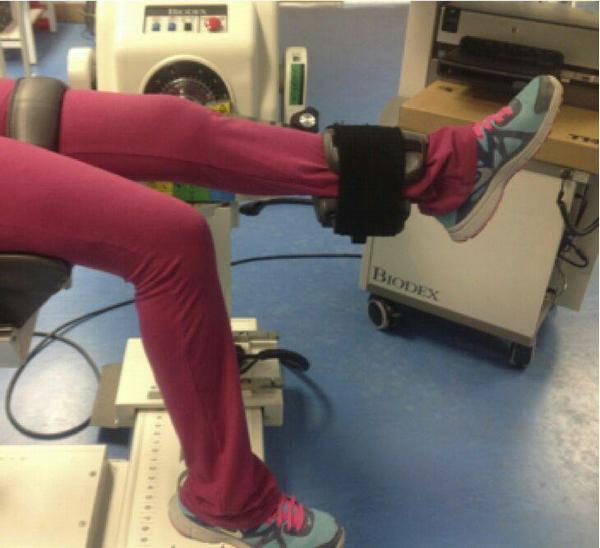
A new study has found that people with multiple sclerosis may reduce perceived fatigue and increase mobility through a series of combined strength training and fitness exercises. 

The research from the Miguel Hernández University of Elche, supervised by Professor Raúl Reina, aimed to analyze the effects of strength training on the fatigue that MS patients suffer. A total of 19 participants (5 men and 14 women) were split into two groups. Most took part in a 12-week training program, whilst others were included in a control group. The research was conducted in collaboration with the Neurology Department of Elche General Hospital.

When a dog is rabid, it's time to run. Credit: Mytoenailcameoff, CC BY-NC-SA

By Katie Hampson, University of Glasgow


Dave ‘Bear’ Duerson, 22, in action. Credit: PA

By Jordan Gaines Lewis, Penn State College of Medicine

Ah, football. The great American pastime.

The freshly cut grass and crisply-painted yard lines. The sound of helmets clashing in an epic stack of large men vying for a single ball. Stands packed high with thousands upon thousands of crazed, prideful, body-painted fanatics. Dementia, confusion, and depression.

Wait, what? That last bit may not be present on game day, but for many football players, it’s brewing all along – with every clash, tackle, and fall.

Farm runoff and urban pollution in the Hawaiian islands is causing sea turtle tumors, according to a study in PeerJ.

The paper by researchers at  Duke University, the University of Hawaii and the National Oceanic and Atmospheric Administration finds that nitrogen in the runoff ends up in algae that the turtles eat, promoting the formation of tumors on the animals' eyes, flippers and internal organs.

