








A study in the Nov. 1 issue of the journal Sleep is the first demonstration of a specific neurochemical abnormality in adults with primary insomnia, providing greater insight to the limited understanding of the condition's pathology. 

Results indicate that gamma-aminobutyric acid (GABA), the most common inhibitory transmitter in the brain, is reduced by nearly 30 percent in individuals who have been suffering from primary insomnia for more than six months. These findings suggest that primary insomnia is a manifestation of a neurobiological state of hyperarousal, which is present during both waking and sleep at physiological and cognitive levels.

BETHLEHEM, PA (October 31, 2008)—A new study published in the September/October issue of the journal Marketing Science reveals the world's most innovative countries, with Japan and the Nordic countries earning top spots and the United States finishing in sixth.

The study, which evaluates 31 countries based on the time it takes for new products to takeoff, is among the most comprehensive research of its kind. Wherever applicable, researchers analyzed 16 different product categories over a time span of 50 years.

Findings of the study, titled, "The Global Takeoff of New Products: Culture, Wealth, or Vanishing Differences," include:

While it certainly can't hurt for Barack Obama to get millions of hits on YouTube with an 'Obama Girl' does it really help, or is John McCain's "Joe The Plumber" in traditional media just as good?  

Dr. Paul Haridakis, associate professor of Communication Studies at Kent State University and a long-time scholar in the area of the impact of media on the political landscape in the U.S., is investigating the impact of hugely popular social media's impact on the upcoming presidential contest.
Ever wonder where all that food your teenager devoured was going? Not only does the food go into the teen's daily activities--running, doing homework, breathing and playing video games, but food converted to energy also fuels growth of new tissues--bones, vessels, cartilage, muscle.  In poorer areas of the world, part of the energy yielded by food might be deflected for the body's defense system in fighting disease. Children and teens in such conditions will not grow as tall or big as their healthy counterparts who were able to allocate more of their energy stores directly to growth.
In the spirit of Halloween, it seems most appropriate to share Annette Child's encounters with the afterlife.


Margaret Borwhat co-founded the Women's Cancer Advocacy Network (WCAN) in 1997 while waging her own fight against the disease. This resolute woman was a powerhouse to the end and though she peacefully succumbed in body in 2006, her spirit took up the banner for a new dimension of the crusade. She wants us to know that this life is not all there is. And, much to his chagrin, Margaret left her skeptical husband, Don, with an undeniable "foo foo" experience that was the first of endless pranks to prove to him there is an afterlife.


I have recently criticized British geneticist Steve Jones for his claim that modern human societies are no longer subject to natural selection. My arguments were based on basic principles of evolution and population genetics. Now a new study shows that Jones is wrong on the basis of the available empirical evidence and, ironically, that evidence comes from research on the British population!
Vampires, Mummies, Ghosts, Zombies - we have it all today.   We even have costumes.   Why?  Halloween, like everything else great in life, has a science aspect to it.
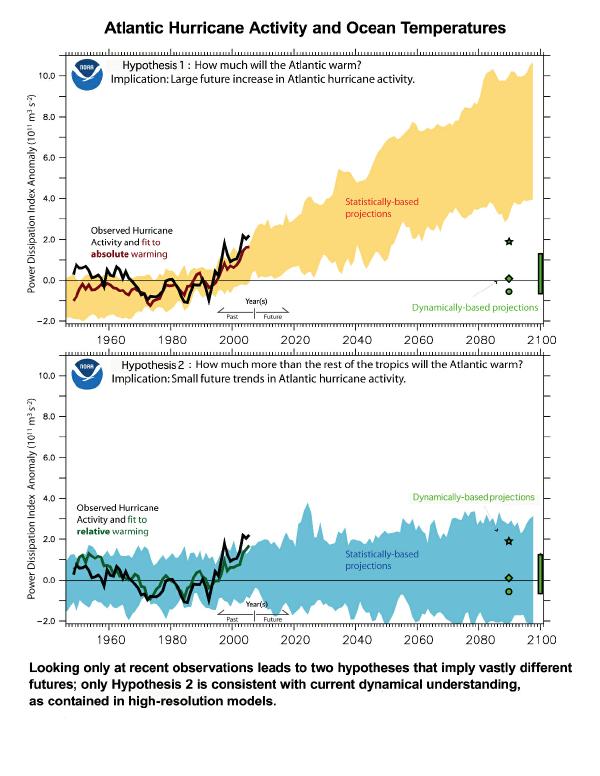
In 2006, Al Gore alleged that Hurricane Katrina had been caused, or at least made worse, by global warming.    Bill Gray, one of the foremost hurricane experts in the world, disagreed.    Who was right?   Weather, and especially hurricanes, are not among things that are easy to predict but global warming is certain to have an impact.   What impact is all depending on what you want to believe.
Don't start feeling too secure about the so-called McEliece encryption system - a candidate for the security of Internet traffic in the age of the quantum computer, the predicted superpowerful computer of the future.

Researchers at Eindhoven University of Technology (TU/e) in The Netherlands have managed to crack it.

Scientists know how to have a good time. Just ask Yahoo Serious about when he played Young Einstein. That guy really knew how to par-tay! To see for yourself this Halloween, host your very own Mad Scientist Halloween Party. Check out these ideas to really get your party started. You'll be amazed at how easily you can transform your digs into a Spooky Laboratory!


