
 We each give off millions of bacteria from our human microbiome to the air around us every day, and that cloud of bacteria can be traced back to an individual. New research focused on the personal microbial cloud -- the airborne microbes we emit into the air -- examined the microbial connection we have with the air around us.


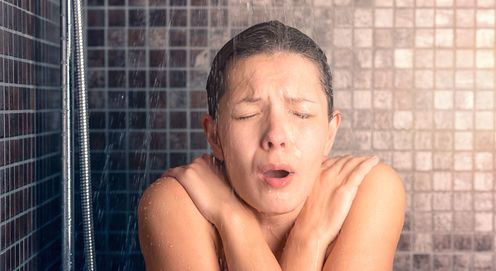
 In Australian homes, reliable hot water supplies for taking showers or bathing the kids are taken for granted. But this has a significant cost – conventional hot water heaters can account for up to 30% of household energy use and can be significant carbon emitters.

 If you have to go without gluten but want to maintain the texture of popular foods that contain this sticky protein, you are forced to use substitutes containing extra sugar, extra fat, hydroxypropyl methyl cellulose and xanthan gum, none of which are all that great from an overall health perspective. Given that, opting for a gluten-free diet makes little sense unless it's necessary.

 Here at the American Council on Science and Health, we meticulously avoid politics because science, in its purest form, is a quest for the truth while the essence of politics is lying well, preferably without getting caught. And, even if you do get caught, it probably doesn’t matter, since lying is part of the job description.
Know Science And Want To Write?
Apply for a column: writing@science20.com
Donate or Buy SWAG
Please donate so science experts can write
for the public.
At Science 2.0, scientists are the journalists,
with no political bias or editorial control. We
can't do it alone so please make a difference.
We are a nonprofit science journalism
group operating under Section 501(c)(3)
of the Internal Revenue Code that's
educated over 300 million people.
You can help with a tax-deductible
donation today and 100 percent of your
gift will go toward our programs,
no salaries or offices.

Interesting insights from outside Science 2.0