




Is there such a thing as moral expertise?

Good question, right? I’ve been thinking more about it for a few weeks now as a result of an interesting talk by Gopal Sreenivasan (Duke University) entitled “Moral expertise and the proto-authority of affect,” which he gave at CUNY’s Graduate Center.
What does science discover when 70 dogs are allowed to relieve themselves in the open country without being on a leash?

That they have something in common; dogs prefer to do their business while in a body-alignment along the magnetic north-south axis - but only during periods of calm magnetic field conditions.

At least they found something. Prior to the discovery, they had to have been frustrated that, in contrast to grazing cows, hunting foxes and landing waterfowl, dogs showed no clear preference for a particular body alignment while doing number one or number two.

The April 10th, 2013 landslide at a Utah copper mine probably was the biggest non-volcanic slide in North America's modern history, and included two rock avalanches that happened 90 minutes apart and surprisingly triggered 16 small earthquakes, according to findings published in
GSA Today.

The landslide moved at an average of almost 70 mph, reached estimated speeds of at least 100 mph and left a deposit so large it "would cover New York's Central Park with about 20 meters (66 feet) of debris," according to the researchers.

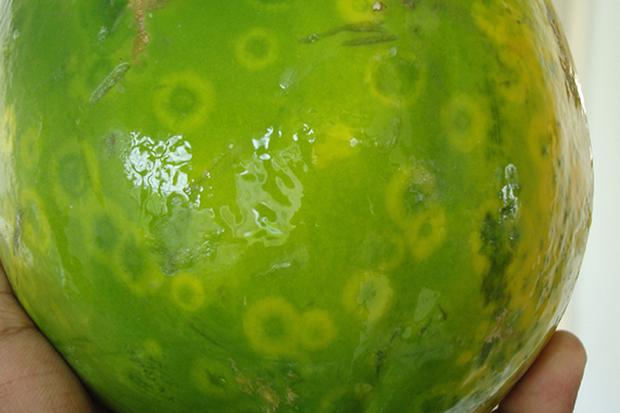
Mexico is considered one of the leading countries in papaya production but its crops are affected by the virus of the ringed spot, which leaves ring marks in the skin of the fruit and causes softening of the papaya, where fungi start to digest it.

More than 80 per cent of the production is exported to the United States and, according to the Mexican Association Industry of Plant Sanitation (AMIFAC), Europe and Asia are possible markets for 2014, so the fruit has to comply with sanitation laws of other countries, being free of microorganisms, and having the right appearance (no spots, indentations or softening of the fruit) is important.
Chronic unemployment, dependence on government welfare and internal social division are the result of Canadian social welfare for natives - despite the substantial resources devoted, according to a new study. The work, jointly performed by the University of Alicante, the University of Granada and Laurentian University, was prepared by University of Alicante lecturer in sociology Raúl Ruiz Callado. 
Want yogurt but don't like the exploitation of dairy cows?

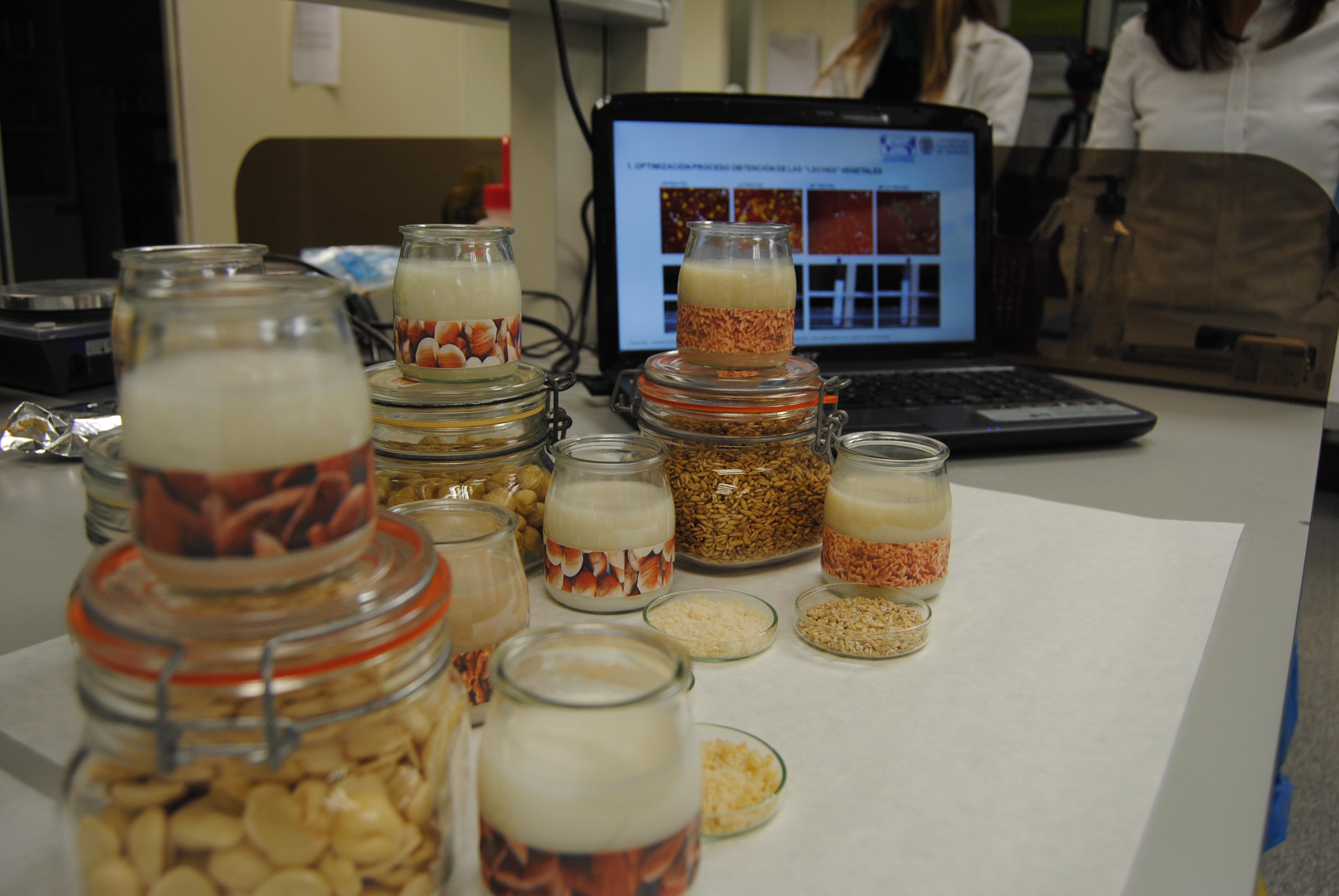
Researchers at the Universitat Politècnica de València have some good news. They have used  plant-based “milks” to create products fermented with probiotic bacteria from grains and nuts - an alternative to conventional yogurts. They say the products are ideal for people with allergies to cow milk, lactose or gluten intolerance.

A new estimate says that up to 80 percent of scientific data is lost within two decades.

The culprits? Old e-mail addresses and obsolete storage devices.

Bullying has become a frequently discussed problem but most of the stories involve young people.

Less discussed is its prevalence in academia but a Rutgers–Camden nursing scholar is shedding some light on how it is becoming increasingly common.

Platinum is used in catalytic converters to transform toxic fumes from a car's engine into more benign gases, to produce high octane gasoline, plastics and synthetic rubbers, and to fight the spread of cancerous tumors. But it's not cheap, which you know if you have ever shopped for an engagement ring knows. 

In a new study, researchers from Duke University's Pratt School of Engineering used computational methods to identify dozens of platinum-group alloys that were previously unknown to science but could prove beneficial in a wide range of applications. If one of the compounds identified in the new study is comparable in performance but easier on the wallet, it would be a boon to many industries worldwide as well as the environment. 

Many people can recall reading a cherished story that they say changed their life and now researchers have detected what may be biological traces related to this feeling: Actual changes in the brain that linger after reading a novel.

Essentially, reading a novel may cause changes in resting-state connectivity of the brain that persist.

