The anterior insular cortex is a small region of the brain, but it plays a big role in human self-awareness and in neuropsychiatric disorders. A unique cell type, the von Economo neuron (VEN), is located there. For a long time, the VEN was assumed to be unique to humans, great apes, whales and elephants.
But scientists have recently discovered these brain cells in monkeys. Bring on the self-awareness and empathy? Not just yet.
Researchers writing in PNAS state they have seen an increased reaction to stress in animals whose ancestors were exposed to an environmental compound, vinclozolin, a popular fruit and vegetable fungicide, even generations earlier.
The findings put a new twist on the notions of nature and nurture and may have implications for how certain behavioral tendencies might be inherited. They exposed gestating female rats to vinclozolin and then put the rats' third generation of offspring through a variety of behavioral tests and found the descendant rats were more anxious, more sensitive to stress, and had greater activity in stress-related regions of the brain than descendants of unexposed rats.
I'll tell you a secret a chef told me. That secret is...butter.
There is a reason restaurants that seek to charge the same for 'healthy' fare end up being big flops; people feel cheated eating bean sprouts they can make at their house. No one cares about how much butter is in a dish when they go to a restaurant because it is a night out, a special occasion. Calories are basically unimportant and taste remains supreme. We want to eat something prepared by someone who only cares what we think about its flavor.
Obviously the human body was not designed to eat at a restaurant every evening. If you do that, and you don't exercise, you are going to get fat.
I like to explain stuff so that people like you and me think “aha!”, and not, “this guy knows a lot; I better agree though I have no clue what he is talking about”. In this manner, let me again briefly introduce one of those deeply complex and hugely controversial topics that supposedly require big sophisticated words, and then, like I hope you slowly come to expect from me, present the solution in a way that is obvious and that we all could have thought about a long time ago (if the conclusions were not so damn uncomfortable that people simply refuse even if it is presented on a silver platter).
A team of Australian scientists has identified new genes that show identifiable changes in the blood of people with bowel cancer.
The discovery has the potential to underpin a new cost-effective blood test that would signal the early stages of bowel cancer. This test could potentially save thousands of lives by supplementing existing screening programs and encouraging those at risk to have a colonoscopy.
The research presented today is the result of over five years of scientific collaboration between Australian biotechnology company Clinical Genomics, CSIRO and the Flinders Centre for Innovation in Cancer at Flinders University in Adelaide, lead by senior investigator Professor Graeme Young.
ET Solar Group Corp. of China has announced completion of two ground-mounted PV power plants in Germany, with total installed capacity of over 9.6MW.
The plants are ground-mounted and are 4MW and 5.6MW by size and are located in Oberröblingen, 100 kilometers west of Leipzig, and Rätzlingen, 100 kilometers from Hamburg respectively. ET Solutions AG, ET Solar's wholly owned subsidiary, performed full engineering, procurement and construction tasks with all PV modules sourced from ET Solar's China plant.
A cap and trade system for carbon dioxide has been a terrific flop; even proponents are leery that it is just another layer of bureaucracy and the only economic benefits have been of the economic voodoo kind, similar to a federal stimulus package that went primarily to state and municipal union employees were called 'jobs saved' in a brilliant bit of marketing.
Why would anyone want to export that fiasco to another environmental issue? It's academic. Sometimes academic is obviously a good thing; basic research, for example. And sometimes 'academic' connotes 'out of touch with reality', like people in the humanities who try and argue that communism really works, it's just that no one has really tried it.
Rockets are powerful stuff, and satellites and astronauts experience tremendous G-forces pushing down on them during launch. For picosatellite work, it is necessary that your design be able to withstand forces equivalent to perhaps 10 times Earth gravity-- 10Gs. To test this, the easiest way is to build a centrifuge.
Think of the spinning bucket gimmick. If you tie a bucket to a rope and fill it with water, you can make the bucket swing in a loop-the-loop over your head and not spill, as long as it is spinning fast enough. You need enough spin to counteract the 1G of the Earth's pull, so you need a spinning centrifuge of at least >1G.
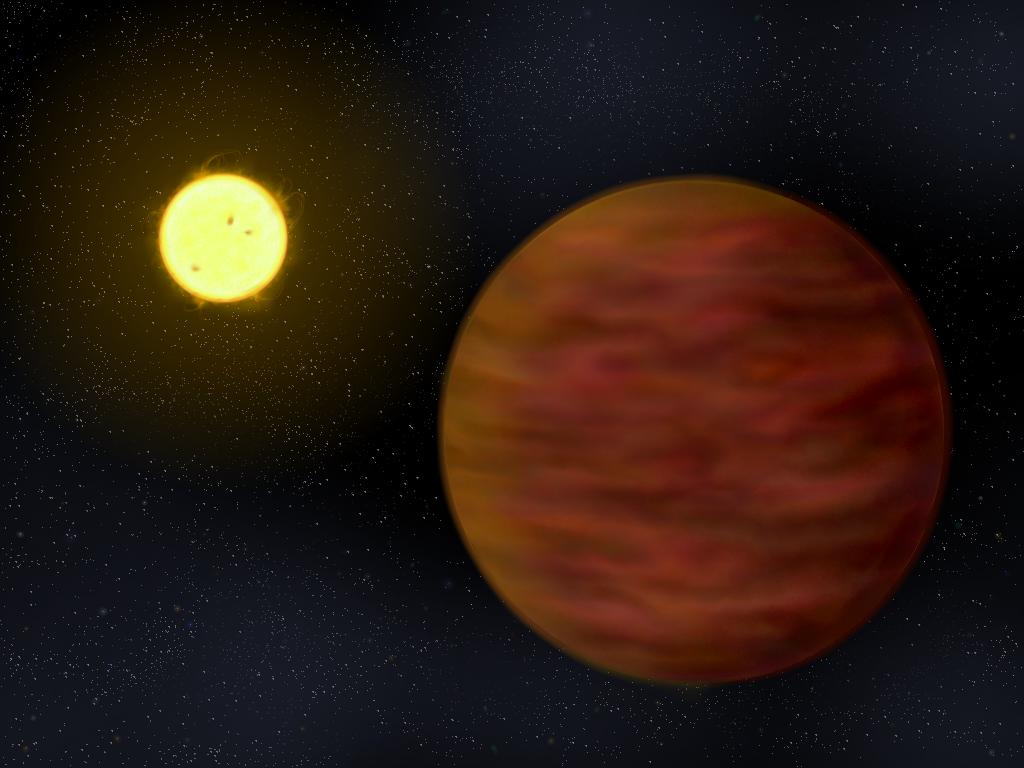
Giant planets have diverse chemistry; Jupiter, for example, first formed as a large solid core and then then accreted gas from the disk around it, which led to a different chemistry in its outer layers. When the Galileo spacecraft entered Jupiter’s atmosphere in 1995, it found the proportion of heavier elements (astronomers call these ‘metals’) to be three times higher than in the Sun.
Brown dwarfs, around the same size, are instead star-like objects with insufficient mass to ignite hydrogen fusion in their cores. Over time they cool to temperatures of just a few hundred degrees. Like stars, they formed from the collapse of a giant molecular cloud a few hundred light years across.
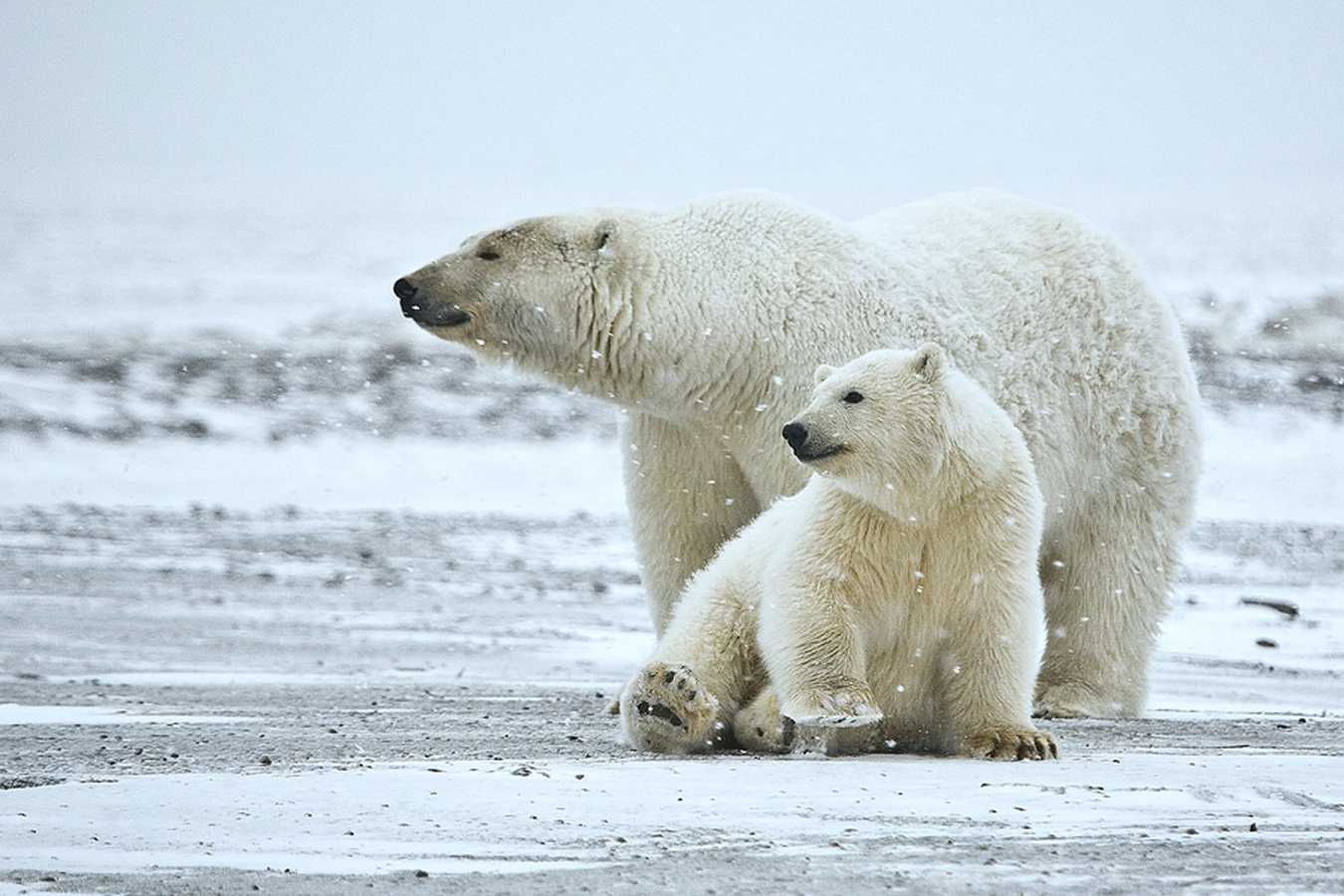
Polar bears are evolutionarily older and genetically more distinct than believed. This largest Arctic carnivore evolved as early as 600,000 years ago, five times older than previously recognized.