






Forensics is changing in the digital age, and the legal system is still catching up when it comes to properly employing digital evidence.

Broadly speaking, digital evidence is information found on a wide range of electronic devices that is useful in court because of its probative value. It’s like the digital equivalent of a fingerprint or a muddy boot.

However, digital evidence tendered in court often fails to meet the same high standards expected of more established forensics practices, particularly in ensuring the evidence is what it purports to be.

High prices for cancer drugs are affecting patient care in the U.S. but there are no magic buttons to push to make that go away. Development takes longer than ever and is under more government rules than ever, while the patent window remains small and lawsuit judgments if things go wrong are unlimited.

Writing in Mayo Clinic Proceedings, a group of oncologists say they have answers. Unfortunately, their simplistic take on economics would mean pharmaceutical development will become the modern generation's version of the steel industry and leave the country and never come back. 

Hydrazine was reported once in a limited sample of cigarette tobacco and tobacco smoke over 40 years ago[1] but ever since then it has been assumed as fact that hydrazine must be present in smokeless tobacco products as well, without anyone actually examining those products for its presence.
America is the most tolerant country in the world and nothing evidences that more than the constant hand-wringing about tolerance. Every minority and special interest can control the cultural discourse by shouting down anyone they happen not to like.
"A personal redemption narrative sustains motivation to engage in prosocial behavior," write psychologists at Northwestern University. Since it is St. Patrick's Day, that is a fancy social science way of saying that is why some people "do good works", while "redemptive stories sustain hope that sacrifices today may produce future dividends" is Catholic guilt for secular middle-aged people who don't like religion but do feel like they perhaps haven't earned what they got.

Moral decisions can be influenced by movements of the eyes during deliberation, according to new research which challenges the notion that the decisions people make, from whether to give money to a homeless person to whether to separate recyclables from the trash, are rooted in a pre-existing moral framework. 
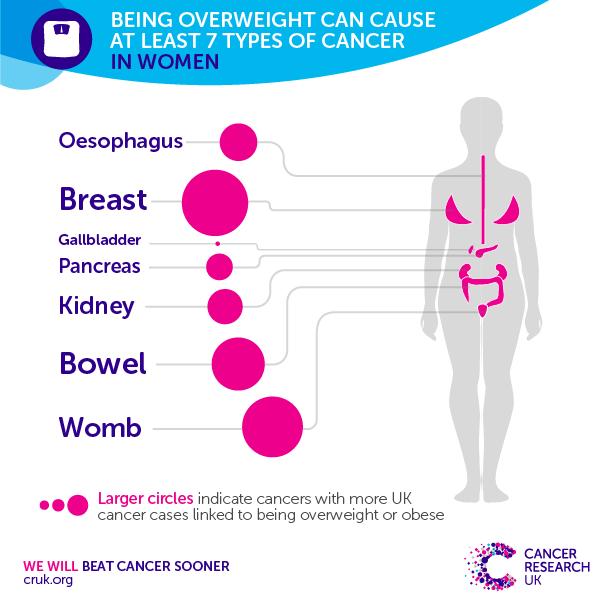
Obese women have greater risk of developing a weight-related cancer in their lifetime than women of a healthy weight, according to new statistics.  Obesity increases a woman's risk of developing at least seven types of cancer - including bowel, post-menopausal breast, gallbladder, womb, kidney, pancreatic and esophageal cancer - and in a group of obese women, 274 will be diagnosed with a bodyweight-linked cancer in their lifetime, compared to 194 women diagnosed in a group of 1,000 healthy weight women. A 40 percent higher rate.
Countless blogs share stories about everything from potty training to preschool struggles while Facebook posts and Tweets are overrun with kids playing dress up, having meltdowns and dancing to the likes of Beyonce and Taylor Swift.

Today's University of Michigan C.S. Mott Children's Hospital National Poll on Children's Health concludes that "sharenting" is here to stay, with more than half of mothers and one-third of fathers discussing child health and parenting on social media and nearly three quarters of parents saying social media makes them feel less alone.

But how far is too far when it comes to crossing the boundaries between public and private life? 

Having your child bullied at school is one of the greatest fears of parents – and research shows this fear is well founded. School bullying has been described as the single most important threat to the mental health of children and adolescents.

An examination of clinical trials covering more than 95,000 patients has found that glucose or sugar-lowering medications prescribed to patients with diabetes may pose an increased risk for the development of heart failure in these patients.

Heart failure is a common occurrence for patients with type 2 diabetes and has a major impact on one's life expectancy and quality of life as well as representing a major driver of health care costs. Overall, the study found that for every one kilogram of weight gain attributed to a sugar-lowering diabetes medication or strategy, there was an associated seven percent increased risk of heart failure directly linked to that medication or strategy.


