






Since you are all inquisitive scientists, it is not a big surprise that sex is  a popular topic of study in the real world.  I attended a talk by Mary Roach, author of  “Bonk: The Curious Coupling Of Science And Sex” , at UC Davis on Monday.  Aside from the series of thank-yous provided by the introducer that seemed more appropriate for an Academy Award than an author of a pop science book on sex, it got right to the meat and potatoes. 

On the occasion of her centennial, Rita Levi-Montalcini addressed the crowd with the gentle tone of a grandmother and the confident cadence of a statesman.  At 100 years, she has an energy that many younger people might envy.  She divides her workdays between her namesake brain research laboratory and her foundation to encourage African women with potential for scientific achievement.  These dual pursuits are fitting of a woman who fought past the setbacks of her own time and culture to become a driving force in both medical research and the politics of science.

 Deteriorating screws in bridges, fish that listen in the dark, medical devices that use sound to treat disease, the detected comeback of a long-gone whale, the sound of hyenas, cheese, and bagpipes, and what evolution can teach us about cowardice.

These are just a few of the topics that will be covered at the 157th meeting of the Acoustical Society of America (ASA), which convenes from May 18-22 at the Hilton Portland&Executive Tower in Portland, Oregon. There, acoustical scientists and engineers will present more than 1,000 talks and posters related to acoustics, a cross-section of diverse disciplines devoted to architecture, underwater research, psychology, physics, animal bioacoustics, medicine, music, noise control, and speech.


A new study challenges long-standing expectations that men are promiscuous and women tend to be more particular when it comes to choosing a mate. The research in Trends in Ecology and Evolution suggests that human mating strategies are not likely to conform to a single universal pattern and provides important insights that may impact future investigations of human mating behaviors.
Parasite infestations might have a good side. Wild mice from a Nottinghamshire forest have given experts at The University of Nottingham clues as to the importance of some parasites, such as lice, for the conditioning of a "natural" immune system.

Jan Bradley, Professor of Parasitology, said: "Our understanding of mammalian immunology is largely based on rodents reared under highly unnatural pathogen and stress-free conditions. Analysing the immune response in wild populations can give crucial insights into how the immune system functions in its natural context."
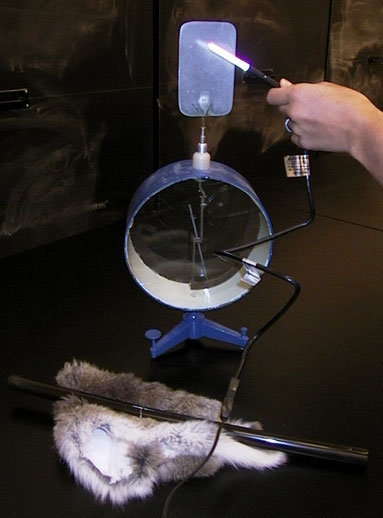
By way of the classical photoeffect, Einstein proved in 1905 that light also has particle character. However, with extremely high light intensities, remarkable things happen in the process, say scientists of the Physikalisch-Technische Bundesanstalt (PTB) and colleagues at FLASH in Hamburg, the first free-electron laser (FEL) for soft X-rays worldwide.
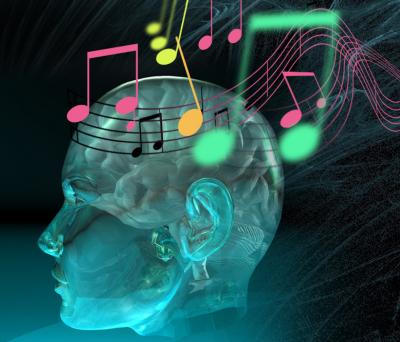
Every brain has a soundtrack. Its tempo and tone will vary, depending on mood, frame of mind, and other features of the brain itself. When that soundtrack is recorded and played back -- to an emergency responder, or a firefighter -- it may sharpen their reflexes during a crisis, and calm their nerves afterward.
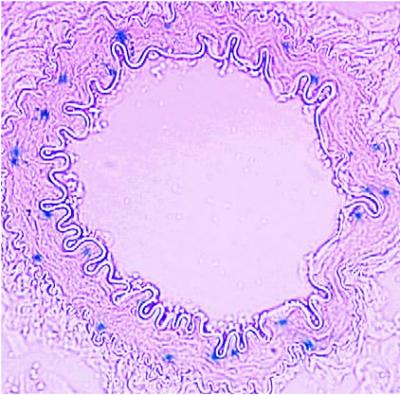
In trying to understand the role of prostaglandins – a family of fatty compounds key to the cardiovascular system – in blood pressure maintenance, researchers at the University of Pennsylvania School of Medicine and colleagues discovered that mice that lack the receptor for one type of prostaglandin have lower blood pressure and less atherosclerosis than their non-mutant brethren. 

The results indicate that the normal role for the type of prostaglandin studied, PG F2-alphais to increase blood pressure and accelerate atherosclerosis, at least in rodents, and suggest that targeting this pathway could represent a novel therapeutic approach to cardiovascular disease. 
A preliminary study on the use of stem cells obtained from a patient's own adipose tissue in the treatment of multiple sclerosis (MS) has shown promising results. The three case studies, described in BioMed Central's open access Journal of Translational Medicine support further clinical evaluation of stromal vascular fraction (SVF) cells in MS and other autoimmune conditions.
The calming neurological effects of nicotine have been demonstrated in a group of non-smokers during anger provocation. Researchers writing in Behavioral and Brain Functions suggest that nicotine may alter the activity of brain areas that are involved in the inhibition of negative emotions such as anger.

