The creation of long platinum nanowires at the University of Rochester could soon lead to the development of commercially viable fuel cells.
Described in a paper published today in the journal Nano Letters, the new wires should provide significant increases in both the longevity and efficiency of fuel cells, which have until now been used largely for such exotic purposes as powering spacecraft. Nanowire enhanced fuel cells could power many types of vehicles, helping reduce the use of petroleum fuels for transportation, according to lead author James C. M. Li, professor of mechanical engineering at the University of Rochester.
A 7-year-old girl from Long Island, NY, is on her way home a little more than four weeks after receiving a historic surgery that involved the removal and partial re-implantation of six organs in order to resect an abdominal tumor that otherwise would be inoperable. The 23-hour surgery, which began on Feb. 6, was led by Dr. Tomoaki Kato at NewYork-Presbyterian Morgan Stanley Children's Hospital, and is the first reported pediatric case of its kind.
Most people consume far too much salt, and a University of Iowa researcher has discovered one potential reason we crave it: it might put us in a better mood.
UI psychologist Kim Johnson and colleagues found in their research that when rats are deficient in sodium chloride, common table salt, they shy away from activities they normally enjoy, like drinking a sugary substance or pressing a bar that stimulates a pleasant sensation in their brains.
"Things that normally would be pleasurable for rats didn't elicit the same degree of relish, which leads us to believe that a salt deficit and the craving associated with it can induce one of the key symptoms associated with depression," Johnson said.
This statement about natural selection is the last sentence of
Adaptation and Natural Selection, George Williams' masterpiece about evolution. George Williams is one of the unsung heroes of 20th century science. An evolutionary biologist I know (who shall remain anonymous to spare him/her public shaming) claimed not to know who was George Williams. I was/still am aghast. This anonymous evolutionary biologist is the inspiration for this post, indeed for my series of citation classics (see also
here).
The purpose of science education is no longer simply to train that tiny fraction of the population who will become the next generation of scientists. We need a more scientifically literate populace to address the global challenges that humanity now faces and that only science can explain and possibly mitigate, such as global warming, as well as to make wise decisions, informed by scientific understanding, about issues such as genetic modification.
Moreover, the modern economy is largely based on science and technology, and for that economy to thrive and for individuals within it to be successful, we need technically literate citizens with complex problem-solving skills.
Scientific Hedging
A favourite theme in disaster movies is the political figure who tries to keep the local population from being alerted to some impending catastrophe. Usually, the political figure tries to impede the publication of findings by one or more scientists. In real life, it is more commonly the scientists themselves who create a barrier that stands between them and non-scientists. That barrier, the 'hedge' is a linguistic device.
It makes sense that ecological changes caused by humans affect natural biodiversity and, in some cases, can even cause permanent displacement of a species.
Unless science revives it.
Researchers from Eawag and from two German universities (Frankfurt and Konstanz), analyzed genetic material from Daphnia eggs up to 100 years old and say the eutrophication of Greifensee and Lake Constance in the 1970s and 1980s led to genetic changes in a species of water flea which was ultimately displaced. Despite the fact that water quality has since been significantly improved, this species has not been re-established. Naturally, anyway.
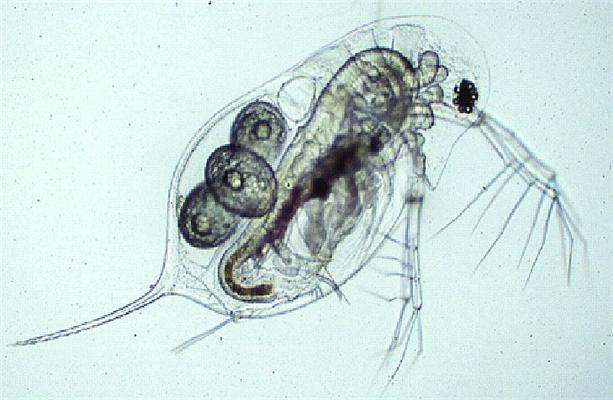 Daphnia Galeata. Photo: Eaweg University
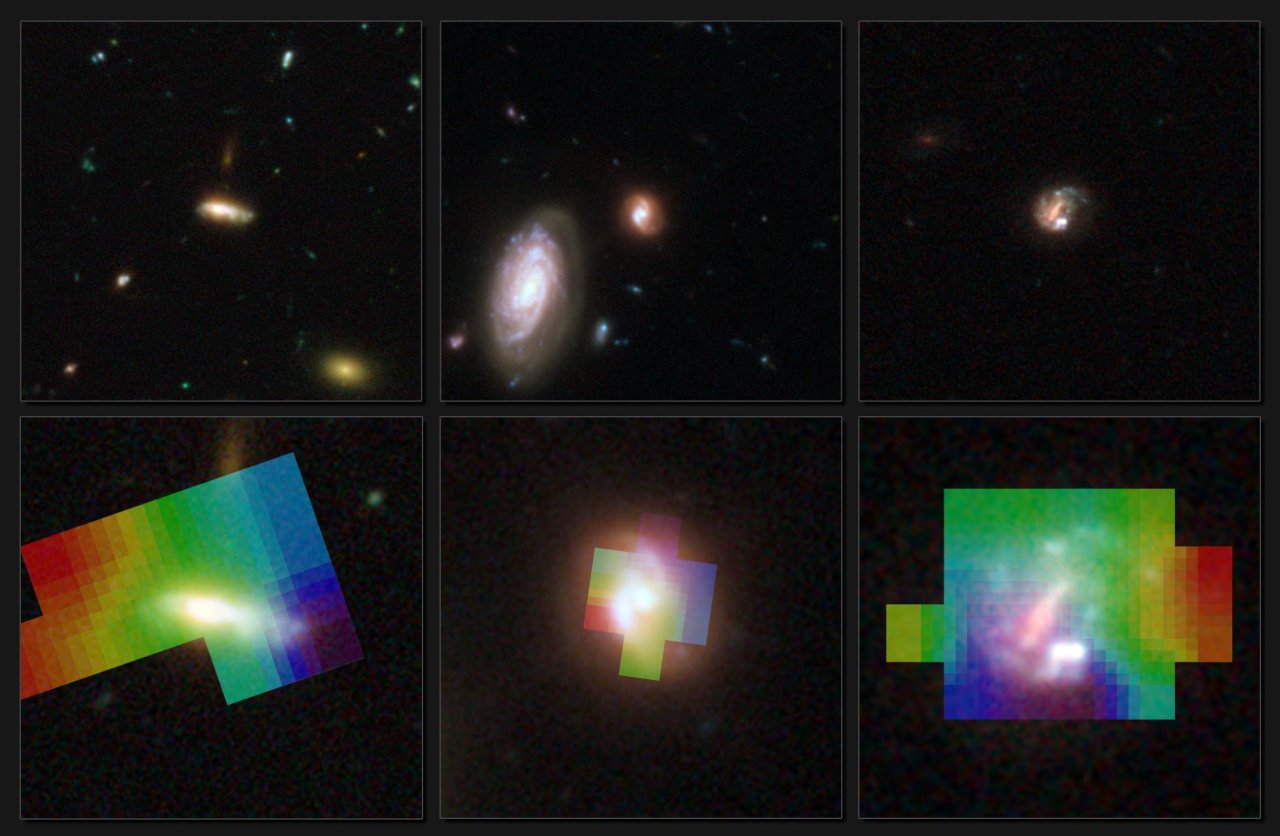
Astronomers have obtained exceptional 3D views of distant galaxies, seen when the Universe was half its current age, by combining the the Hubble Space Telescope’s acute eye and the ESO’s Very Large Telescope to probe the motions of gas in tiny objects. By looking at this unique “history book” of our Universe, at an epoch when the Sun and the Earth did not yet exist, scientists hope to solve the puzzle of how galaxies formed in the remote past.
Herd mentality. Angry mob. Mass hysteria. As these phrases suggest, we are not always confident that a large group of people will come up with the smartest decisions.
But numerous studies have shown that a crowd of people usually gives more accurate responses to questions compared to an individual and averaging the responses provided from a group increases accuracy by canceling out a number of errors made across the board, like over- and under-estimating the answer.
A new study from North Carolina State University shows that painted road markings, such as the lines separating traffic lanes, are significantly better at reflecting headlights in the direction that the paint was applied. This finding will help determine how states comply with new federal safety regulations and save money on painting their roadways.