

Tuber melanosporum - black or Périgord truffles - are fungi that grow in symbiosis with the roots of oak and hazelnut trees. In the world of haute cuisine, they are expensive and highly prized.

Epigenetics is the study of changes in gene expression caused by mechanisms other than changes in the DNA sequence.
In the world of epigenetics, black truffles are of major interest because of their unique pattern of DNA methylation, a biochemical process that chemically modifies nucleic acids without changing their sequence. 

A newly published reports on the truffle's unique genetic makeup.

Mercury is a naturally occurring element and a part of human enterprises like burning coal and making cement and compact fluorescent light bulbs.

Knowing how much of both natural and unnatural mercury is bioavailable - uptaken by animals and humans— is important in international agreements to protect humans and the environment from mercury emissions and establishing public policies behind warnings about seafood consumption. Yet little is known about how much mercury in the environment is the result of human activity, or even how much bioavailable mercury exists in the global ocean.

Wikipedia is a free, online, user-generated database of articles on topics and people. Because of its popularity, it has become the default first link in Google search, which means it is frequently read and cited, making it even more authoritative in Google search.

There are numerous problems with the veracity of content, deliberate vandalism and incomplete entries - the Science 2.0 entry, for example, has been repeatedly hijacked and reverted by one user and the first reference is from a Wired article written in 2012 even though Science 2.0 came into existence in 2006. There are no links to Science 2.0 and that user even refuses to allow mention that it is a registered trademark and in the US and the European Union.

Miles of linked habitat sounds like a good thing - until the ants show up.

Environmentalists who promote the notion of unintended consequences regarding genetic modification never considered that wildlife corridors might have risks also - but they do, as a recent study showed. Julian Resasco and colleagues at the University of Florida found that one type of fire ant used wildlife corridors to dominate recently created landscapes.

"Although habitat corridors are usually beneficial, they occasionally have negative effects," Resasco said."Sometimes they can help invasive species spread in exactly the same way they help native species."

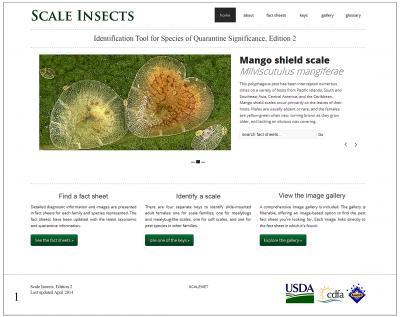
In order to keep outwanted immigrants, the United States Department of Agriculture and California Department of Food and Agriculture joined efforts and built an online tool for identification - of alien and potentially invasive species from all over the world.

Scales are small insects that feed by sucking plant juices. They can attack nearly any plant and cause serious damage to many agricultural and ornamental plants. While native scales have natural enemies that generally keep their populations in check, invasive species often do not, and for this reason many commercially important scale pests in the United States are species that were accidentally introduced.

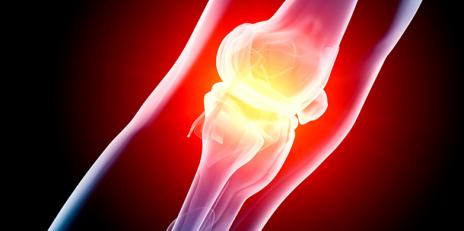
Rheumatoid arthritis is a condition that causes painful inflammation of several joints in the body - the joint capsule becomes swollen, and the disease can also destroy cartilage and bone as it progresses. It affects 0.5% to 1% of the world's population and doctors have used various drugs to slow or stop the progression of the disease.

Eidgenössische Technische Hochschule Zürich (ETH Zurich)  researchers have developed a therapy that takes the treatment of rheumatoid arthritis in mice to a new level: after receiving the medication the animals have been fully cured.

A paper in Frontiers in Psychology says that 70 percent of faculty are non-tenure-track academics and they experience stress, anxiety, and depression due to their insecure job situation - in other words, they are stressed out about the exact same job situation everyone without a job for life that everyone in the world faces.

Adjunct titles, lecturers and instructors work under short-term contracts and have limited or no health and retirement benefits. Sometimes they are part-time and at different institutes simultaneously. 

If you've ever been on the freeway and saw the guy next to you holding his coffee with one hand, texting with the other, and steering with his kneecap while doing 80, you might find it quite plausible that humans only use 10% of their brain.

This is actually a scientific urban legend, though, and quite far from the truth. The man you see is engaging many parts of his brain - the driving uses the cerebellum, the texting uses his frontal lobe, reading his texts uses his visual cortex. He finally heard you honking after his kneecap steered into your lane. That's the temporal lobe. Although this man may not be using his brain very well, he is still using it.

Frogs, dogs, whales, snails can all do it, but humans and primates can't. Regrow nerves after an injury, that is — while many animals have this ability, humans don't. But new research from the Salk Institute suggests that a small molecule may be able to convince damaged nerves to grow and effectively rewire circuits. Such a feat could eventually lead to therapies for the thousands of Americans with severe spinal cord injuries and paralysis.

"This research implies that we might be able to mimic neuronal repair processes that occur naturally in lower animals, which would be very exciting," says the study's senior author and Salk professor Kuo-Fen Lee. The results were published in PLOS Biology.

