
Kidney donations have been in decline and a study in the Journal of the American Society of Nephrology (JASN) says it has discovered why; it's cheaper to get a kidney than to give one.  

For their study, Jagbir Gill, MD, MPH of University of British Columbia in Vancouver and his colleagues divided the US population based on the median household income level of residents' zip codes, and they examined the rates of living donation between 1999 and 2010 in high and low income populations.  

Government subsidies have made wind farming a leader in the renewable energy sector.

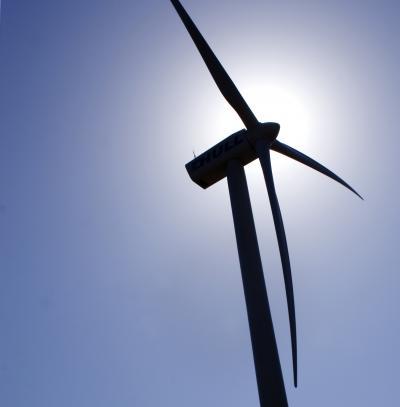
It isn't just politicians tired of subsidies and environmentalists and homeowners who don't want them near their homes, they also catch fire more than is reported. 
Wind turbines catch fire because highly flammable materials such as hydraulic oil and plastics are in close proximity to machinery and electrical wires. These can ignite a fire if they overheat or are faulty. Lots of oxygen, in the form of high winds, can quickly fan a fire inside a turbine. Once ignited, the chances of fighting the blaze are slim due to the height of the wind turbine and the remote locations that they are often in.

When global warming happens, Atlantic salmon will likely be just fine. They have shown a surprisingly good capacity to adjust to warmer temperatures that are being seen with climate change.

The finding about Atlantic species adds to similar research about the heat tolerance of Pacific salmon. Scientists studied wild salmon from two European rivers. They compared a cold-water population from Norway's northern Alta River, where water temperatures have not exceeded 18 C for 30 years, with warm-water populations from France's Dordogne River, located 3,000 kilometres south, where annual water temperatures regularly exceed 20 C.

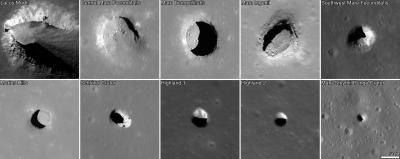
The moon's surface has by millions of craters but it also has over 200 holes – and those steep-walled pits that in some cases might lead to caves that future astronauts could explore and use for shelter, according to new observations from NASA's Lunar Reconnaissance Orbiter (LRO) spacecraft.

The pits range in size from about 5 yards across to around 1,000 in diameter, and three of them were first identified using images from the Japanese Kaguya spacecraft. Hundreds more were found using a new computer algorithm that automatically scanned thousands of high-resolution images of the lunar surface from LRO's Narrow Angle Camera (NAC).

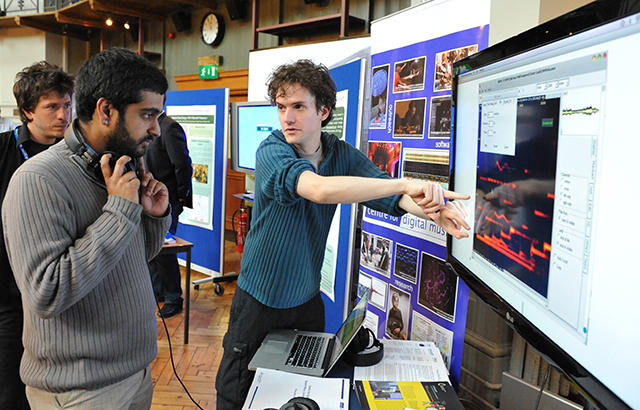
Scientists from Queen Mary University of London have found a successful way of identifying bird sounds from large audio collections, by using recordings of individual birds and of dawn choruses to identify characteristics of bird sounds.

They took advantage of large datasets of sound recordings provided by the British Library Sound Archive, and online sources such as the Dutch archive Xeno Canto.

California is the home of bans in the United States, everything from Happy Meals to golf courses and goldfish have come under fire.

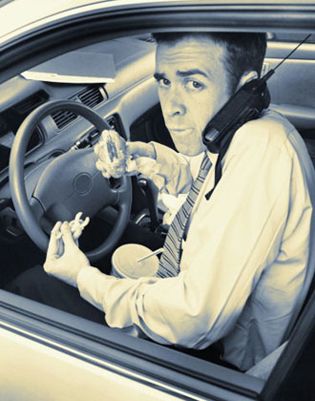
Sometimes the bans pass, and it is always cheered as 'leadership' when that happens. Social authoritarians in other states then mimic it. But ban success can't always be quantified. In one instance, they can - with the cellphone ban. They were blamed for a lot of car accidents, so accidents must have dropped.

Except they didn't. A recent analysis found no evidence that the California ban on cellphones while driving has decreased traffic accidents.

Is there a biomarker that can spot a player versus a potential soul mate? 

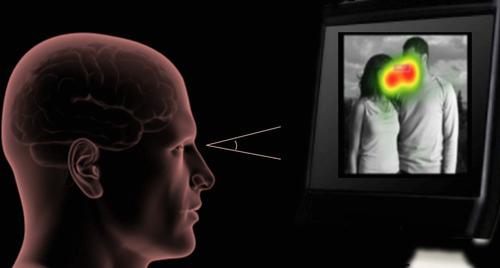
University of Chicago psychologists say that if it is so, the difference between love and lust might be in the eyes - specifically, where your date looks at you could indicate whether love or lust is in the cards.

Their work found that eye patterns concentrate on a stranger's face if the viewer sees that person as a potential partner in romantic love, but the viewer gazes more at the other person's body if he or she is feeling sexual desire. That automatic judgment can occur in as little as half a second, producing different gaze patterns.

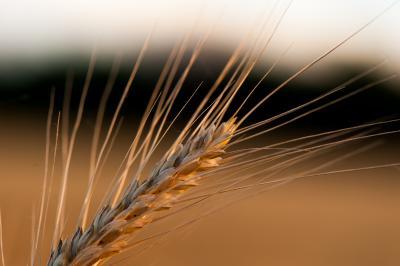
The International Wheat Genome Sequencing Consortium recently published a chromosome-based draft sequence of wheat's genetic code - its genome.

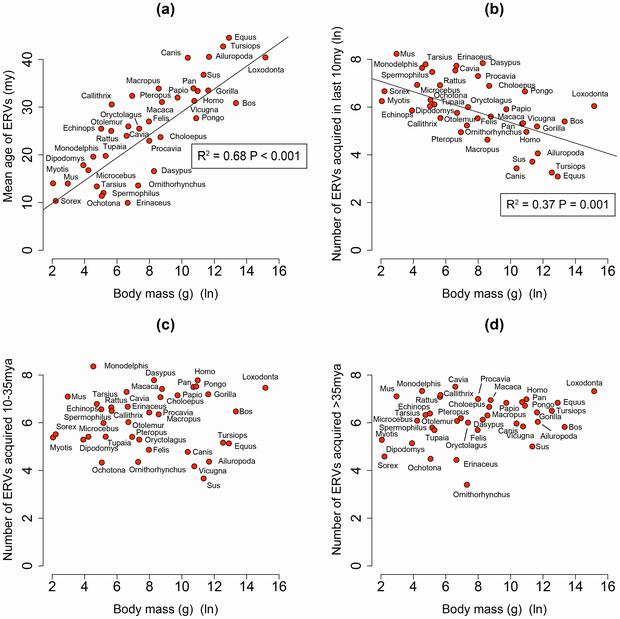
The relics of ancient viruses preserved in the genomes of 38 mammal species have provided insight into cancer’s ‘footprint’ on our evolution.

Viral relics are evidence of the ancient battles our genes have fought against infection. Occasionally the retroviruses that infect an animal get incorporated into that animal’s genome and sometimes these relics get passed down from generation to generation – termed ‘endogenous retroviruses’ (ERVs). Because ERVs may be copied to other parts of the genome they contribute to the risk of cancer-causing mutations.

Despite decades of concern about a looming population bomb and mass starvation, American agriculture has instead 'dematerialized' in a material world: using science, farmers are now feeding more people on less land than ever thought possible.

If science were similarly accepted in Europe and developing nations. we could easily feed 3 billion more people and still decrease agriculture's environmental footprint, according to a paper in Science.

