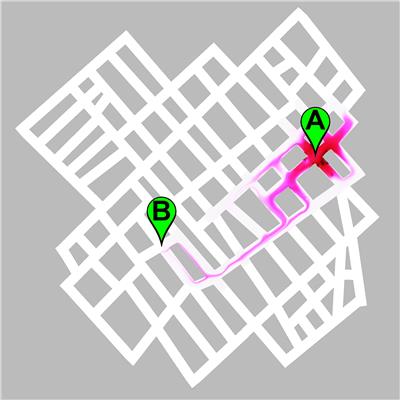




Researchers on an international team recently showed a way to quickly and reliably find the fastest way through a city maze. But rather than using a satellite navigation system, they used chemistry.

It needs a little work before UPS can use it, since the chemical processor was in alkaline liquid, bit it is intriguing proof of concept.

A novel method to test for vitamin B12 deficiency is sensitive enough to work on anyone, including newborn babies and large swaths of the general population. It uses a single drop of blood collected from a finger prick which is then blotted and dried overnight on a card consisting of filter paper.

The dried blood spot card analysis is sensitive enough to measure the amount of methylmalonic acid (MMA), an indicator of a person's B12 level, according to study author Yvonne Lamers of the University of British Columbia. "This minimally invasive approach helps us measure deficiency in an easier and more convenient way, especially in large samples of people. Our method is the first to make dried blood spot analysis sensitive enough to test healthy people for B12 deficiency."

Each year, nearly 600,000 children die from severe, dehydrating diarrhea and millions more are hospitalized. Enterotoxigenic Escherichia coli (ETEC)
may be the first enteric illness encountered by many infants, and it causes several hundred million cases of diarrhea each year, mainly in children.


Country music's soaring popularity in the Northeast isn't so much a novelty as it is a rebirth. Image: US Navy

By Clifford Murphy, University of Maryland, Baltimore County

A team of astronomers recently reported discovering a pulsating star that appears to shine with the energy of 10 million suns. A pulsar is a type of rotating neutron star that emits a bright beam of energy that regularly sweeps past Earth like a lighthouse beacon.

What are the odds finding another one so bright? According to one of the paper's authors, quite good. 

Professor Deepto Chakrabarty of the Kavli Institute for Astrophysics and Space Research at the Massachusetts Institute of Technology says he is optimistic that astronomers will find additional ultra-bright pulsars now that they know such objects exist.


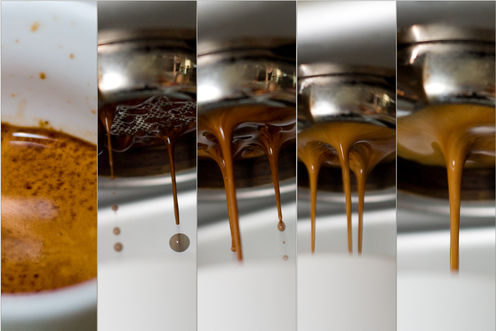
There are four factors to making the perfect cup of coffee. Credit: Andy Ciordia/Flickr, CC BY-NC-ND

By Don Brushett

It’s hard to get a bad coffee these days.

Plenty of baristas have fine-tuned the process of making espresso, but really there are only a handful of variables they can control:

The Large Hadron Collider at the CERN laboratories in Geneva is currently in shutdown, finalizing the upgrades that will allow it to restart next year at the  centre-of-mass energy of 13 TeV - over 60% more than the last 8 TeV run. ATLAS and CMS have collected no more proton-proton collisions since almost two years ago; yet the collaborations are as busy as ever producing physics results from the analysis of the 2012 data.

Rather than focusing on any single result, below I give some highlights of the most recent publications by CMS. Another post will discuss ATLAS results in a few days.

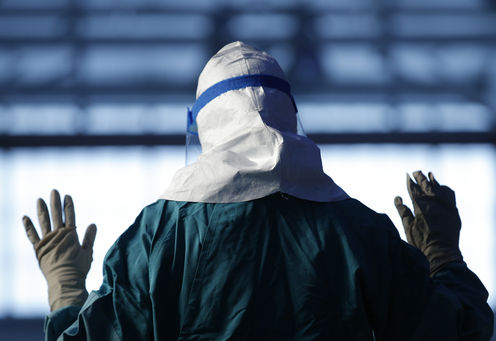
How much risk can health workers be asked to take on? Mike Segar/Reuters

By Catherine Womack, Bridgewater State University

Taking care of sick people has always involved personal risk.

From plague to tuberculosis to smallpox to SARS, health-care workers have put themselves in danger in the course of fulfilling their duties to care for others. Many have lost their lives doing just that.

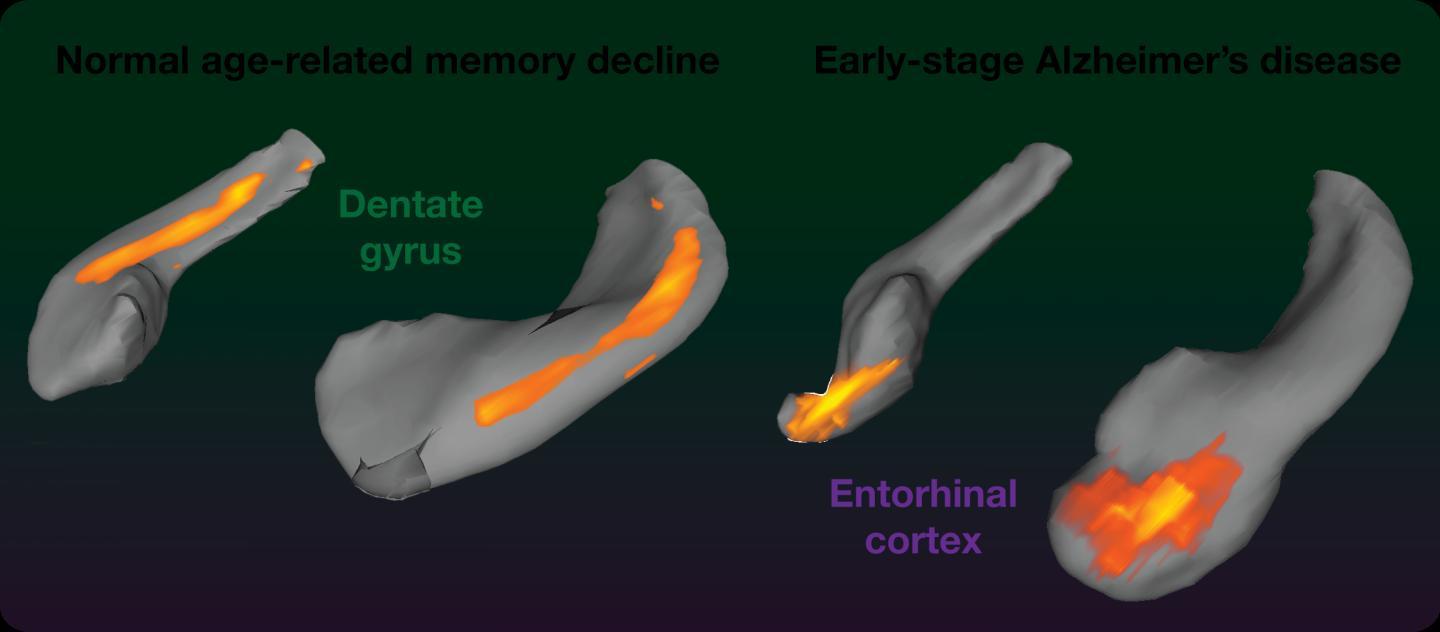
A new study has found that  age-related memory decline in healthy older adults
can be reversed by dietary cocoa flavanols, the naturally occurring bioactives found in cocoa.

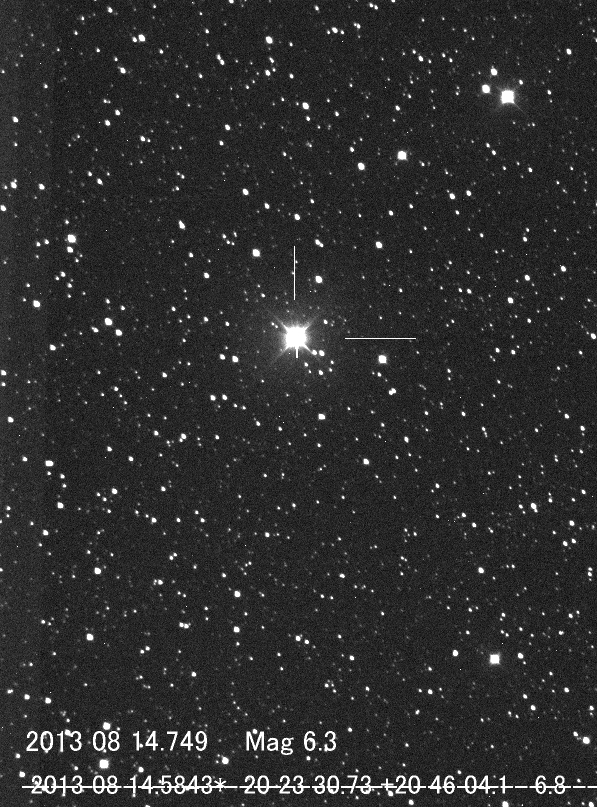
The expanding thermonuclear fireball of a nova is a staple of movies and fiction but last year one was witnessed in the constellation Delphinus with unprecedented clarity. The observations produced the first images of a nova during the early fireball stage and revealed how the structure of the ejected material evolves as the gas expands and cools.

