




A recent study of the global carbon cycle offers a new perspective of Earth's climate records through time.

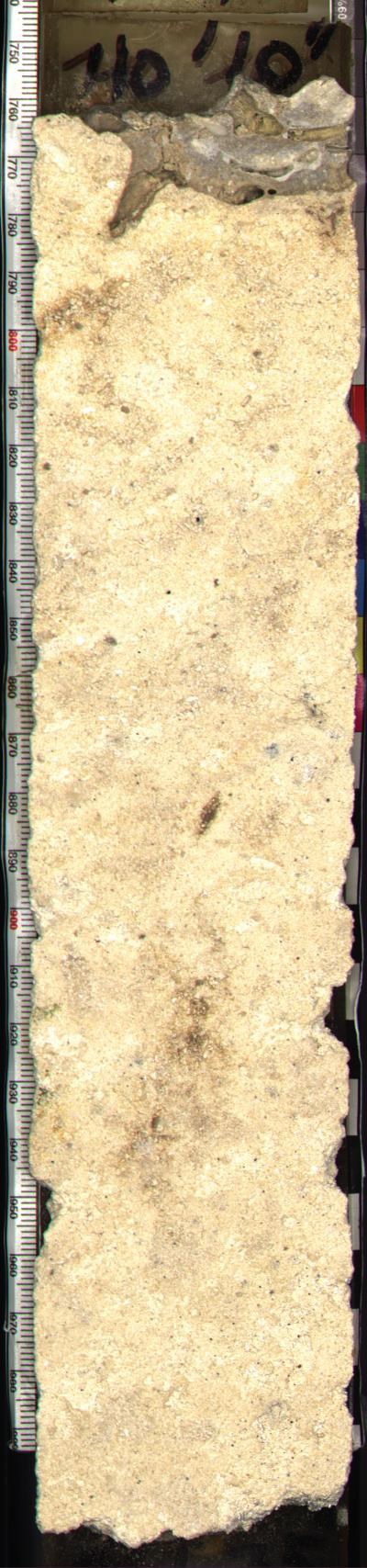
One of the current methods for interpreting ancient changes in the concentration of carbon dioxide in the atmosphere and oceans may need to be re-evaluated. A measurement of the abundance of carbon-12 and carbon-13 isotopes in both the organic matter and carbonate sediments found in a nearly 700-meter marine sediment core from the Great Bahama Bank.

The analyses showed a change to lower amounts of the rare isotope of carbon (carbon-13) in both the organic and inorganic materials as a result of several periods of sub-aerial exposure during the Pleistocene ice ages, which took place over the past two million years.

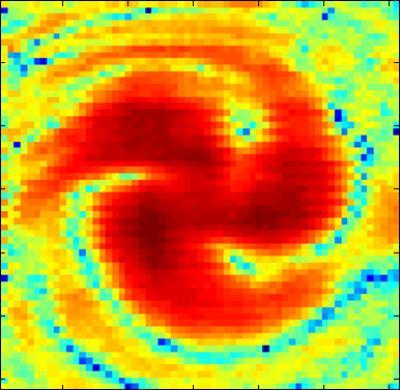
Using twisted light to send data at almost unimaginable speeds is not new but researchers have developed a similar technique using radio waves - high speeds without the hassles that go with optical systems. 

We live in a battery world - just visit any airport and see people huddled around a wall outlet to witness our battery culture. Yet batteries haven't made any real improvements in decades and that holds back electric cars and solar energy and laptop computers.

An old technology may finally have come of age that can help us enter the world of 21st century portable electricity - betavoltaics, a battery technology that generates power from radiation, has bee created using a water-based solution, and it might be the longer-lasting and more efficient nuclear battery we need.

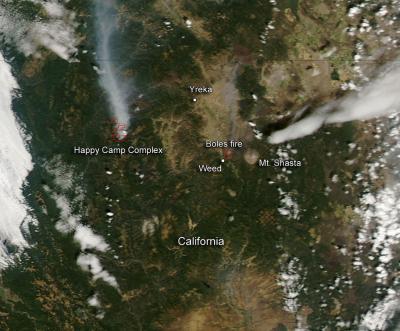
Fires, mudslides and earthquakes are part of California life but residents might be wishing for a few more mudslides right about now. The temperature is nothing special but the worst drought in 20 years and dry lightning have meant an abundance of forest fires.

Wearable electronic activity monitors are a popular fad. They constantly monitor activities and bodily responses and the information is organized into computer programs and mobile apps. 

Given the large and quickly growing market for these devices, researchers at the University of Texas Medical Branch at Galveston analyzed 13 of these activity monitors - names like Fitbit, Jawbone or Nike - to try and see if the devices and their companion apps work to motivate the wearer or if they are only used after the novelty phase who were interested in fitness anyway. 

66 million years ago, a 10 km diameter meteorite hit the Yucatan peninsula with the force of 100 teratons of TNT. It left a crater more than 150 km across and the resulting mega tsunami, wildfires, global earthquakes and volcanism are believed to have wiped out the dinosaurs and made way for the rise of the mammals.

We inherit certain traits that are predetermined but the field of epigenetics postulates that we might be able to change genes play by taking certain drugs or changing diets.  

Not all objects are equal in our minds. A Picasso sculpture is not the same way as a hammer, no matter how fancy the hammer. 

The reason? We see the Picasso more as a person than an object, according to a new paper from the University of Chicago Booth School of Business. And in some cases, we make distinctions between artworks — say, an exact replica of a piece created by the artist, versus one created by a different artist.

Art, in other words, is an extension of the creator, write Professor Daniel M. Bartels of Chicago Booth, and Professor George E. Newman and Rosanna K. Smith, a doctoral student, both of Yale University School of Management.

America leads the world in adult science literacy, science output and social media. That means broad social networks.

And it means, unless some field of science is your particular hot-button issue, the US is doing better in science acceptance than every other country, and spending time and money doing awareness is not really helping much.

Facial recognition software works pretty well. It measures various parameters, such as the distance between the person's eyes, the height from lip to top of their nose and various other metrics and then compares it with photos of people in a database.

Why not create emotion recognition software that can use its own custom parameters? 

Dev Drume Agrawal, Shiv Ram Dubey and Anand Singh Jalal of the GLA University, in Mathura suggest in the International Journal of Computational Vision and Robotics
has taken a three-phase approach to a software emotion detector.


