





Pluto orbits the sun more than 29 times farther away than Earth, with a surface temperature estimated to be about 380 degrees below zero Fahrenheit.

The environment on Pluto, which 2 percent of astronomers voted on no longer being really a planet anyway, is far too cold to allow liquid water on its surface. Its moons are in the same frigid environment.

Pluto's remoteness and small size make it difficult to observe so take speculation about Charon, a moon of Pluto, having cracks in its surface and perhaps a subterranean ocean of liquid water, with a grain of otherworldly salt. In July of 2015, NASA's New Horizons spacecraft will be the first to visit Pluto and Charon, until then we have numerical models and a fair amount of educated guessing. 

Recent mass killings have again raised concern among lawmakers and the media about the possible connection between mental illness, and drugs to treat it, and gun violence.  Obviously someone who commits a mass shooting is mentally ill so renewed focus has been on the impact of a modern medical culture which over-medicates a lot of behavior. Guns have always been a part of American culture and individual murders are down, but a spate of mass shootings has occurred recently, causing people to search for a cause beyond simplistic 'ban guns' exploitation.

Heart attack is the leading natural killer worldwide, with up to one in two men and one in three women past the age of 40 having heart attacks in their lifetimes. What if one shot, similar to a vaccine, could prevent that?

Writing in Circulation Research, researchers show they have developed a “genome-editing” approach for permanently reducing cholesterol levels in mice through a single injection, a development that could reduce the risk of heart attacks in humans by 40 to 90 percent.
There is a common perception is that if you are sick, you sleep more, and some people do - but a new study found that sickness induced insomnia is quite common.

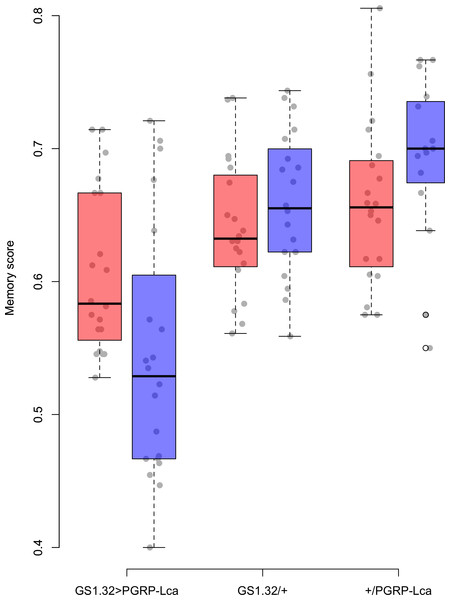
Fighting off illness – rather than the illness itself – causes sleep deprivation and affects memory, says University of Leicester biologist Dr. Eamonn Mallo.
By ‘caging’ and cooling water molecules in carbon spheres to study the change in orientation of the magnetic nuclei at the center of each hydrogen atom, researchers have been able to transform the molecule from one form of water to another.

Water molecules can exist as one of two isomers, depending on how the spins of their two hydrogen atoms are orientated: ortho, where the nuclear spins are parallel to one another, and para, where the spins are antiparallel. Scientists believe that any given molecule can transform from ortho- into para- spin states and vice versa, a process known as nuclear spin conversion.

Populating the gastrointestinal (GI) tracts of mice with Bacteroides species producing a specific enzyme helped protect the good commensal bacteria from the harmful effects of antibiotics, according to a new paper in Antimicrobial Agents and Chemotherapy.

Yes, in some cases antibiotic resistance is a friend.

Antibiotics are powerful weapons against pathogens but most are relatively indiscriminate, killing the good bacteria along with the bad. Thus, they may render patients vulnerable to invasion by virulent, antibiotic-resistant pathogens that frequently populate hospitals.

I have spent the last few days at a School of Science Journalism in the pleasant town of Erice, in western Sicily. The school, held at the Ettore Majorana Centre for Scientific Culture, brought together science communicators, freelance writers, magazine editors and press office consultants to listen to a small set of lectures, which this year (the fifth of the school) centered on the topic of "the digital world".

Tamoxifen is a widely used breast cancer drug but  some women with advanced, postmenopausal estrogen receptor-positive (ER+) breast cancer
don't respond to it. 

A study in Clinical Cancer Research found that the inexpensive anti-malarial drug hydroxychloroquine (HCQ) reverses resistance to tamoxifen in mice, meaning that adding HCQ to tamoxifen could provide a new treatment option for women with the ER+ subtype, which accounts for an estimated 70 percent of all breast cancers. While many of these women are treated with tamoxifen, which blocks estrogen from fueling the tumor, 50 percent of these cancers will either not respond or will become resistant to tamoxifen over time. 

Hydrogen as a fuel source sounds wonderful - its byproduct is water and it releases no CO2. The problem is that compressed hydrogen is scary while uncompressed hydrogen means hauling a container the size of a bus behind your car.

Some people are okay with long charging times and short driving distances for electric cars so if the charging times are eliminated, distance may not be a problem. But adoption is tough - people don't want to buy something before it is viable but it won't become viable until a lot of people buy it. It's the technology variation on the chicken-egg problem.

For some cigarette smokers, quitting is relatively easy. Some people never even really get addicted while for some, strategies to aid quitting like e-cigarettes or nicotine patches or even hypnosis work while for others nothing does. 

Do they just not want to quit? Are they weak? Or do they need a better motivation. Psychologists using functional magnetic resonance imaging (fMRI) say they have identified an aspect of brain activity that helps to predict the effectiveness of a reward-based strategy as motivation to quit smoking.

The researchers observed the brains of nicotine-deprived smokers with fMRI and found that those who exhibited the weakest response to rewards were also the least willing to refrain from smoking, even when offered money to do so.

