



In October 2014 and February 2016 Proxima Centauri, the red dwarf star nearest to our sun, passes in front of two other stars. Astronomers plotted Proxima Centauri's precise path in the heavens and predicted the two close encounters using data from NASA's Hubble Space Telescope, meaning two opportunities in the next few years to hunt for Earth-sized planets around it.

Red dwarfs are the most common class of stars in our Milky Way galaxy. Any such star ever born is still shining today. There are about 10 red dwarfs for every star like our sun. Red dwarfs are less massive than other stars. Because lower-mass stars tend to have smaller planets, red dwarfs are ideal places to go hunting for Earth-sized planets.

Fibromyalgia affects up to 2% of the U.S. population, mostly older women. What is it? No one really knows, it is a blanket term for symptoms like widespread pain, unexplained fatigue, headaches, and sleep disturbances. What causes it? No one knows but self-reported results suggest patients have increased sensitivity to a range of stimuli and up to 92% say weather conditions exacerbate their symptoms. 

Cross off that last one, say Dutch psychologists in Arthritis Care&Research. Temperature, sunshine, and precipitation have no impact on fibromyalgia symptoms in female patients.   

You've heard of obsessive compulsive disorder (OCD) but less well-known is canine compulsive disorder (CCD).  The causes of OCD, which affects about 2 percent of the population, are unknown and the disorder often goes untreated or undiagnosed for decades. People with OCD often exhibit repetitive behaviors or persistent thoughts that are time consuming and interfere with daily routines.

Forever Now

Forever Now

Jun 04 2013 | comment(s)

So it was that in the summer of 1988 I discovered America.


Now doesn’t that sound like a very ‘arty’ sort of statement?  It comes from Forever Today by Deborah Wearing, and though the lady herself has a musical background, there are parts of this book which should be of great interest to Science 2.0 readers.  To give the context, here is the start of the book description.
 
It seems like a great idea, doesn't it, to send an automated rover to Mars to gather
 samples of rocks and dust, and return it to Earth, to study in laboratories with all the specialist instruments we have here. You can understand why so many scientists and mission planners are keen on the idea.

All animals live in a microbe rich environment, with immense numbers of bacteria, archaea, fungi and other eukaryotic microbes living in, on and around them. For some of these microbes, the association is transitory and unimportant, but many make animals their permanent home, or interact with them in ways that are vital for their survival.

Many members of an animal’s “microbiome” are affected by, and often become dependent on, aspects of the animal’s behavior. And, as microbes will do, some – and we believe many – of these microbes have evolved specific ways to manipulate the behavior of their animal neighbors to their advantage.

Lignocellulosic waste such as sawdust or straw can be used to produce biofuel – but only if the long cellulose and xylan chains can be successfully broken down into smaller sugar molecules. To do this, fungi are used which, by means of a specific chemical signal, can be made to produce the necessary enzymes.

It's an expensive process so the Vienna University of Technology has been investigating the molecular switch that regulates enzyme production in the fungus and found it is possible to manufacture genetically modified fungi that produce the necessary enzymes fully independently, thus making biofuel production significantly cheaper.

Replacing A Traditional Biofuel Inductor Over 60 Times More Expensive than Gold

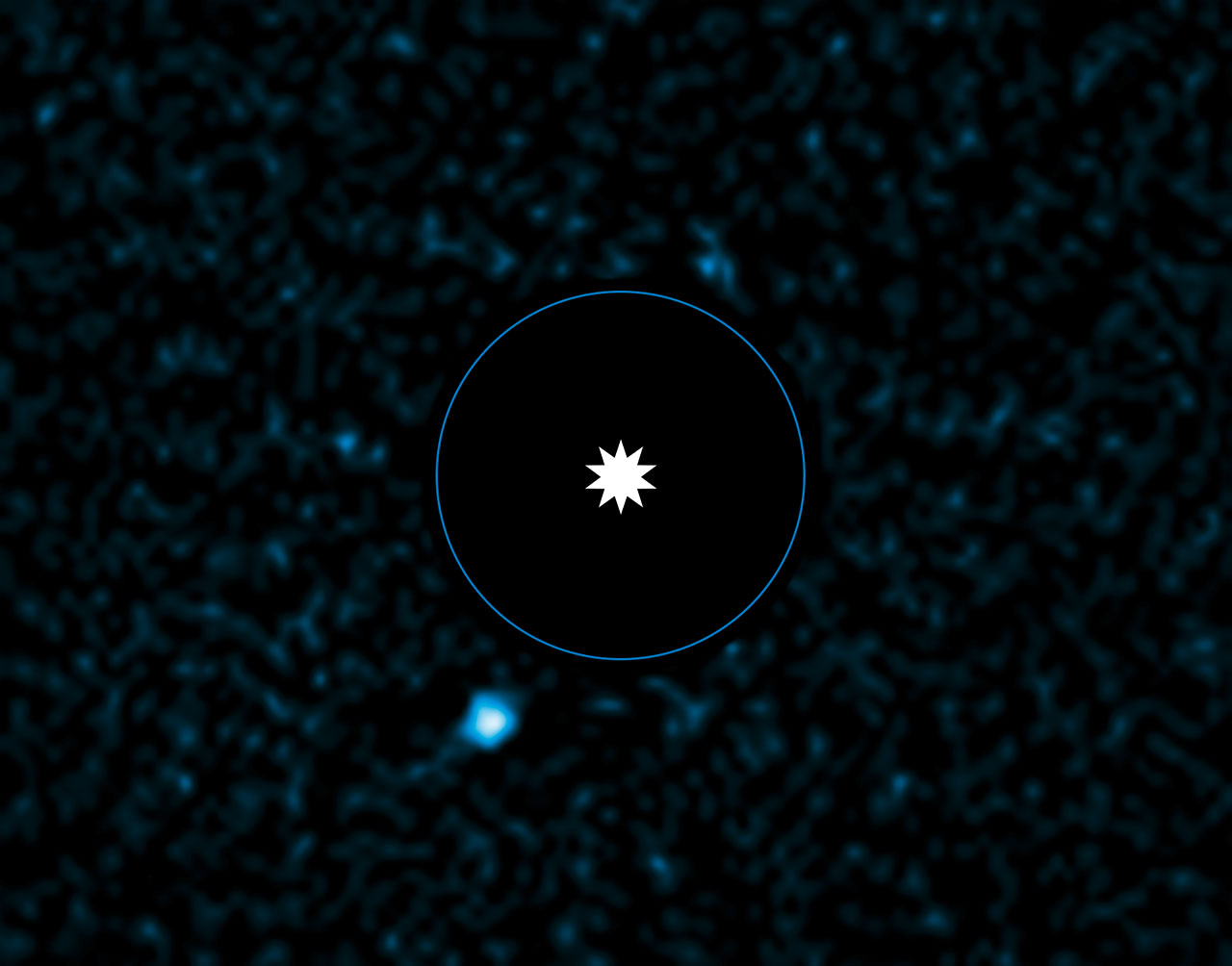
A team of astronomers using ESO’s Very Large Telescope has imaged a faint object moving near a bright star. With an estimated mass of four to five times that of Jupiter, this exoplanet, named HD 95086 b, would be the lightest planet to be directly observed outside the Solar System.

Although nearly a thousand exoplanets have been detected indirectly — most using the radial velocity or transit methods — and many more candidates await confirmation, only a dozen exoplanets have been directly imaged. Nine years after ESO's Very Large Telescope captured the first image of an exoplanet, the planetary companion to the brown dwarf 2M1207, the same team has caught on camera what is probably the lightest of these objects so far."

How do you allocate lifesaving drugs when there aren't enough to go around? 

83 percent of cancer doctors surveyed say that they've faced oncology drug shortages, and of those, nearly all say that their patients' treatment has been impacted, according to results presented today at the 2013 annual meeting of the American Society of Clinical Oncology (Abstract #CRA6510).

The shortages are most profound among drugs to treat pediatric, gastrointestinal and blood cancers and have left physicians surveyed unable to prescribe standard chemotherapies for a range of cancers.


