
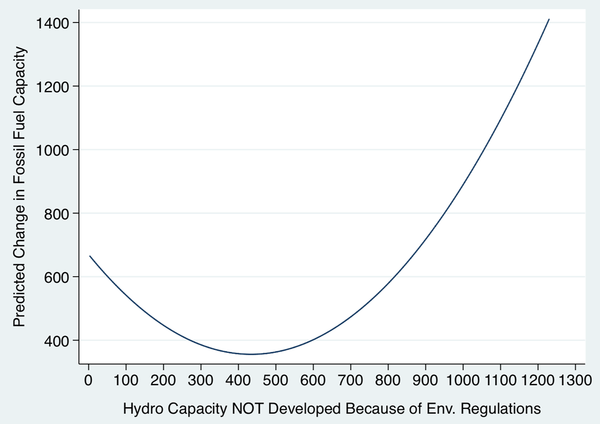



As the world's most powerful economy, we read a lot about how America needs to do more to use cleaner energy, and less of it. 
Chicken eggs are already used for growing viruses that are used as vaccines, such as the flu jab but science is going one better; chickens that are genetically modified to produce human proteins in their eggs as part of the egg white.

A new study found the drugs work at least as well as the same proteins produced using existing methods and high quantities of the proteins can be recovered from each egg using a simple purification system and there are no adverse effects on the chickens themselves, which lay eggs as normal.
One to two percent of people have celiac disease, and the first thing they will tell you is that it is not a fad diet, no matter how many books or Dr. Oz segments tout gluten-free. To celiac patients, it is like poison and the replacements for gluten often contain extra sugar, extra fat, hydroxypropyl methyl cellulose and xanthan gum.

Science may soon be able to help. Gluten is a mixture of glutenin and gliadin proteins, which build a network that gives wheat bread itsproperties and quality. Most gliadins and part of the glutenins contain immunogenic epitopes, which are the actual trigger of the immune reaction.
Anti-science activists are having a field day on social media, happy that a poorly designed study can let them claim that human sperm is being damaged by modern pesticides, even though the study found nothing of the kind. 
The Doomsday Clock, a public relations stunt created by Bulletin of the Atomic Scientists (1) remains stuck at two minutes until midnight. Just like it was in 1953, the height of the Cold War, when school kids did drills about hiding under desks and everyone built bomb shelters.

Today their worry is still nuclear bombs, they assure us, but also global warming and President Trump, and that is why they have solemnly announced that the Doomsday Clock is still at 2 until midnight, with midnight being the End Of The World.
When a sneeze happens, around 100,000 contagious germs for things like the common cold, influenza and tuberculosis move through the air at speeds of up to 100 miles per hour. 

It sounds scary, but there are numerous environmental factors that impact the actual transmission of disease, and a new study sought to determine those right down to the level of a single aerosol particle and a single bacterium. 

In the past 30 years, food allergies have become increasingly common in the United States. Changes to human genetics can’t explain the sudden rise. That is because it takes many generations for changes to spread that widely within a population. Perhaps the explanation lies in changes to our environment, particularly our internal environment. 

Shifting lifestyle practices over the last half-century – increasing antibiotic and antimicrobial use, surface sterilization, air filtration and changes to diet – have changed our internal environment and wiped out important bacteria with beneficial health effects.

The new year has only just begun, yet by Valentine’s Day some 80 percent of us will have already given up on those well-intentioned commitments – at least according to University of Minnesota researcher Marti Hope Gonzales. Why is that?

Have your friends recently begun obsessively folding their t-shirts, or explaining how they have got rid of a book that no longer “brings them joy”? If so, they’ve probably been caught up in the new craze from lifestyle guru and “tidying consultant” Marie Kondo.

Kondo’s book, The Life-Changing Magic of Tidying Up, and her new Netflix series, Tidying Up with Marie Kondo, describe the “KonMari” method. This is a series of simple ways of reorganizing your home to get rid of clutter and mess. According to the author, following her method will not only lead to a cleaner, more organized household, but also to a more positive and happy lifestyle overall.

You may be told that you have individual choice about whether or not social media privacy (or lack thereof) affects you; don't join social media, or delete your account. 

Not so, according to a new study. Big Data can essentially triangulate your behavior, by using the data of your friends.

