Banner
Here's Where Your Backyard Was 300 Million Years Ago

We may use terms like "grounded" and terra firma to mean stability and consistency but geology...

Convergent Evolution Cheat Sheet Now 120 Million Years Old

One tenet of natural selection is a random walk of genes but nature may be more predictable than...

Synchrotron Could Shed Light On Exotic Dark Photons

There are many hypothetical particles proposed to explain dark matter and one idea to explore how...

The Pain Scale Is Broken But This May Fix It

Chronic pain is reported by over 20 percent of the global population but there is no scientific...

User picture.
News StaffRSS Feed of this column.

News Releases From All Over The World, Right To You... Read More »

Blogroll

Vast ranges of volcanoes hidden under the oceans are presumed by scientists to be the gentle giants of the planet, oozing lava at slow, steady rates along mid-ocean ridges. But a new study shows that they flare up on strikingly regular cycles, ranging from two weeks to 100,000 years--and, that they erupt almost exclusively during the first six months of each year.

The pulses--apparently tied to short- and long-term changes in earth's orbit, and to sea levels--may help trigger natural climate swings. Scientists have already speculated that volcanic cycles on land emitting large amounts of carbon dioxide might influence climate; but up to now there was no evidence from submarine volcanoes.

To help people with hormone deficiencies, scientists have developed a potential new therapy based on an unlikely model: immune molecules from cows. Their research, published recently in the journal Proceedings of the National Academy of Sciences, shows that human hormones and antibodies can be fused together--mimicking long, stalk-like cow antibodies.

The new study, whose senior authors were Peter Schultz, the Scripps Family Chair Professor at at The Scripps Research Institute (TSRI), and Feng Wang, a principal investigator at the California Institute for Biomedical Research (Calibr), could also provide the foundation for treatments for a range of other diseases.

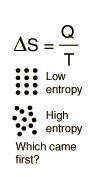
Don't like the second law of thermodynamics - that heat transfer has limits when trying to do work? Maybe you can just use a different one.

Rather than being an immutable fundamental law, researchers from University College London and the Universities of Gdansk, Singapore, and Delft write in Proceedings of the National Academy of Sciences that they have uncovered additional second laws of thermodynamics which complement the ordinary second law of thermodynamics, they are just not noticeable except on very small scales. 
A cautionary tale on fad diets seems obvious enough; no one should listen to anyone whose sole credentials are putting 'babe' in the name of their website or uses 'holistic' as part of their job description. But even the U.S. and U.K. governments have at times been overrun by epidemiological anecdotes that they nonetheless turn into formal policy.
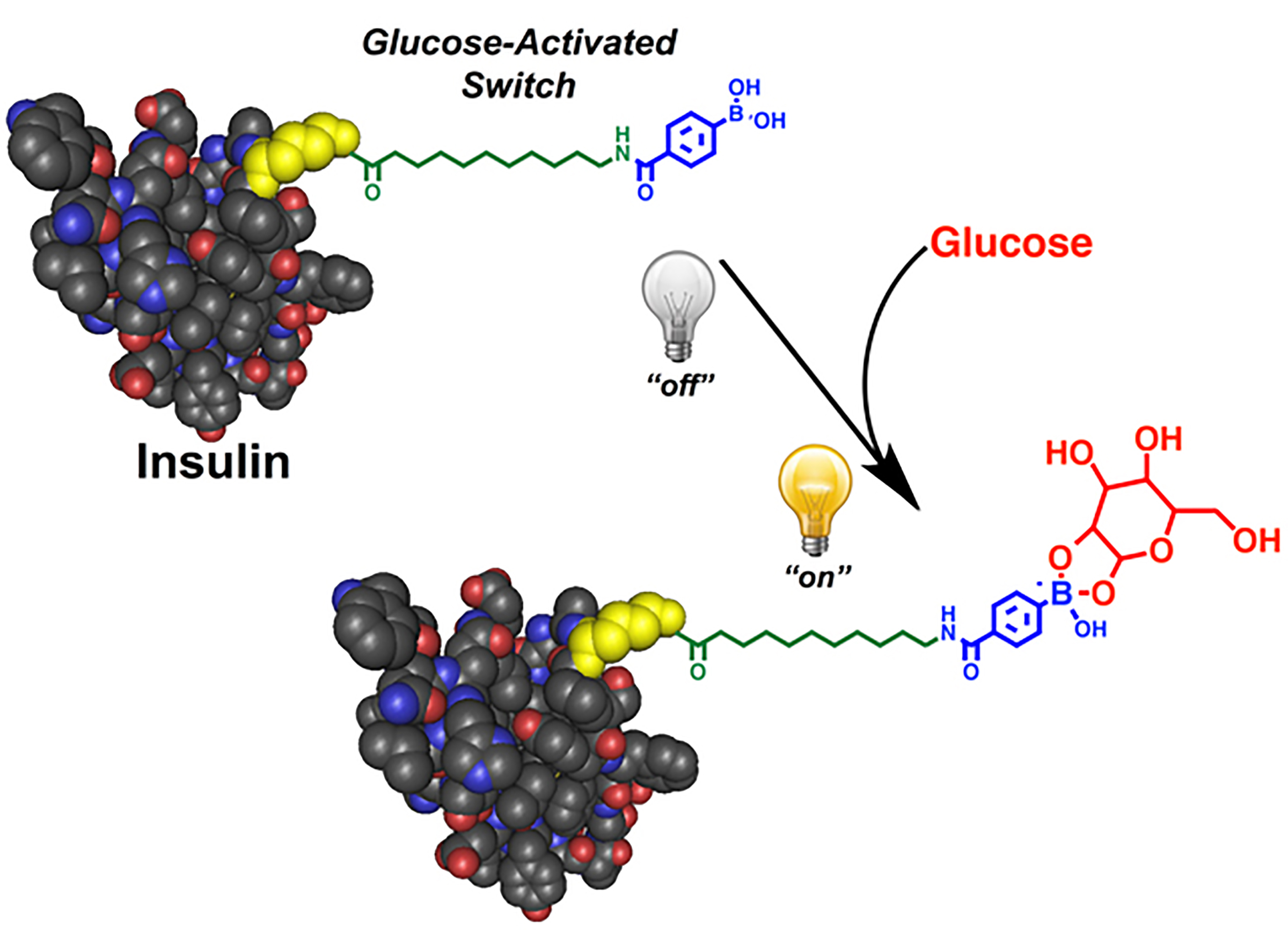
For patients with type 1 diabetes, the daily routine involves constantly monitoring blood sugar and judging when and how much insulin to self-inject. A miscalculation or lapse in regimen can cause blood sugar levels to rise too high (hyperglycemia) - which could lead to heart disease, blindness and other long-term complications - or to get too low (hypoglycemia), which in the worst cases can result in coma or death.

To mitigate the dangers inherent to insulin dosing, a University of Utah biochemist and fellow scientists have created Ins-PBA-F, a long-lasting “smart” insulin that self-activates when blood sugar soars.
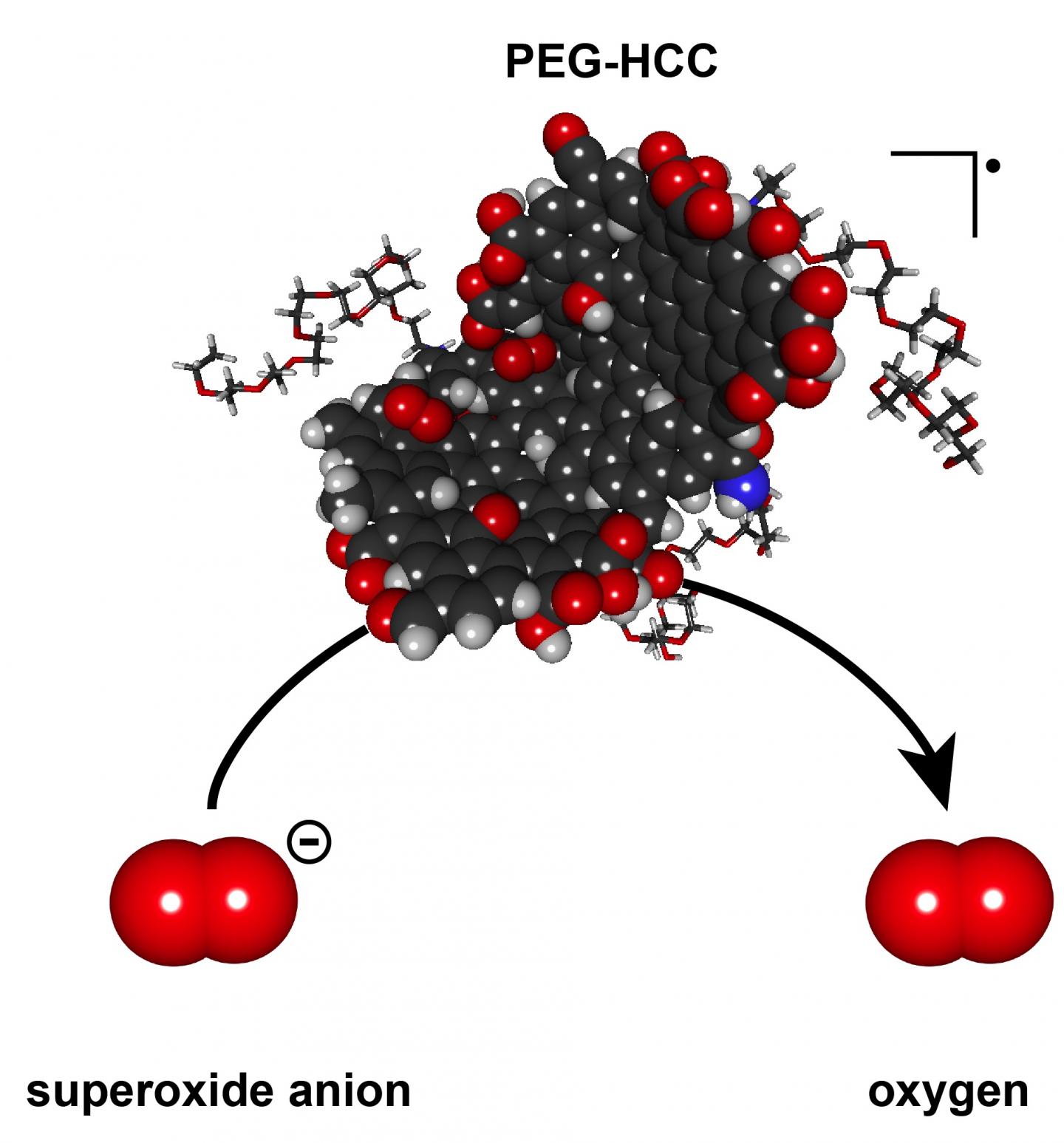
Antioxidants reduce oxidative stress caused by our body's internal energy production, fighting off infection, and repairing damage. Our bodies produce them naturally and they can be obtained less efficiently in food, but with over 200 conditions related to mitochondria, the energy factories in our cells, the future belongs to treatments that can repair damage to them.