Banner
Here's Where Your Backyard Was 300 Million Years Ago

We may use terms like "grounded" and terra firma to mean stability and consistency but geology...

Convergent Evolution Cheat Sheet Now 120 Million Years Old

One tenet of natural selection is a random walk of genes but nature may be more predictable than...

Synchrotron Could Shed Light On Exotic Dark Photons

There are many hypothetical particles proposed to explain dark matter and one idea to explore how...

The Pain Scale Is Broken But This May Fix It

Chronic pain is reported by over 20 percent of the global population but there is no scientific...

User picture.
News StaffRSS Feed of this column.

News Releases From All Over The World, Right To You... Read More »

Blogroll
If you are insecure or craving attention and need to feel better about yourself, chances are Facebook is your friend, according to surveys done by psychologists.

According to analysis of two surveys of nearly 600 people ages 18-83, people who are generally insecure in their relationships are more actively engaged on the social media site. They are frequently posting on walls, commenting, updating their status or "liking" something in hopes of getting attention. That leads the psychologists to conclude there are two kinds of insecure people who rely on Facebook: people who are higher in attachment anxiety and people who are higher in extraversion. 

Because Americans spend more per capita on health care than residents of any country, debate has rumbled on for years about whether all that investment yields sufficient results. Now a newly published study with a distinctive design, led by an MIT health care scholar, shows that increased spending on emergency care does, in fact, produce better outcomes for patients.

"If the question is, 'Do high-spending hospitals get better outcomes for emergency care?' -- we think that they do," says MIT economist Joseph Doyle. "We do find that if you go from a low-spending hospital to a high-spending hospital, you get significantly lower mortality rates."

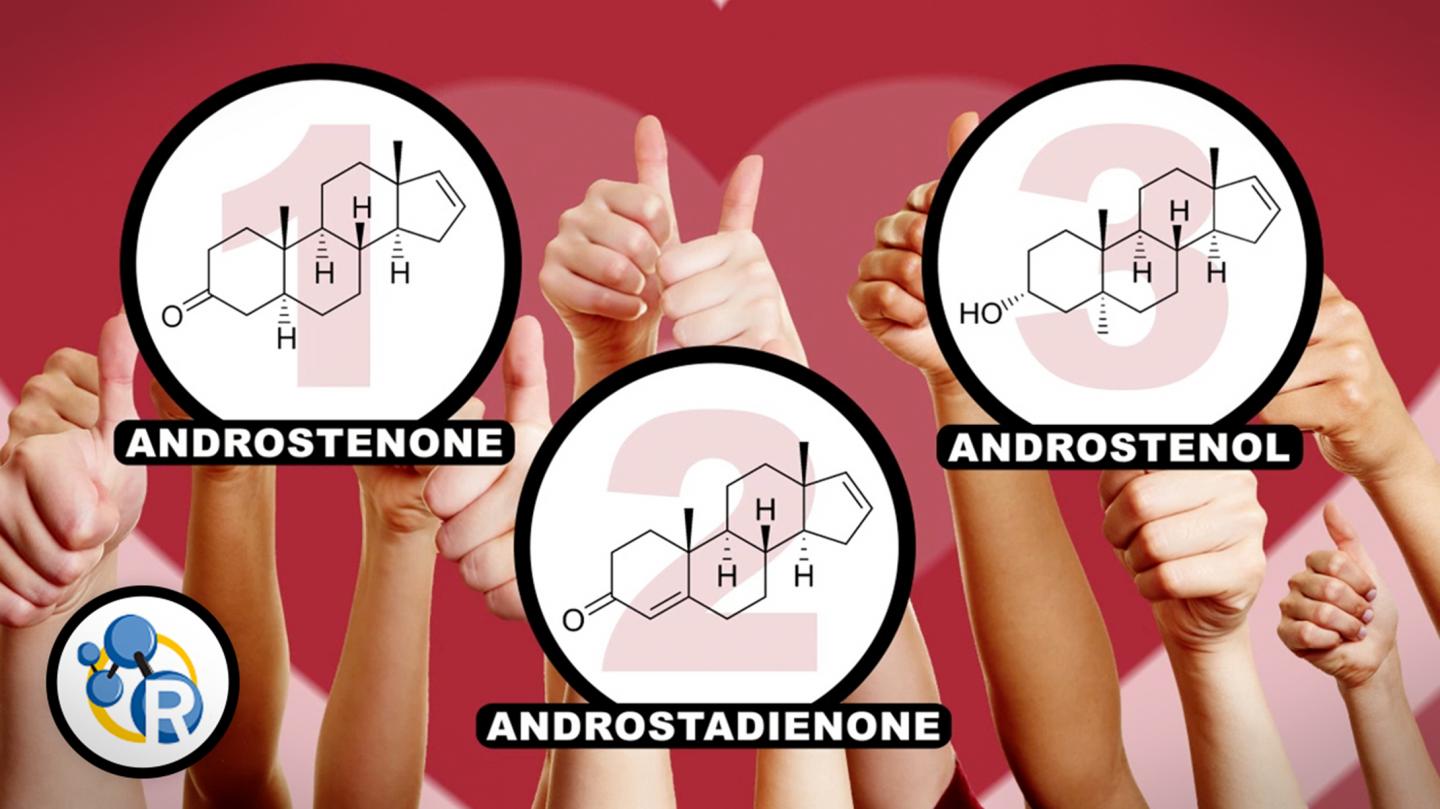
With Valentine's Day this weekend, we will be treated to articles called things 'the science of kissing', 'the science of love', 'the science of attraction' - you name it and someone in the social sciences is capitalizing on the fuzzy nature of romance to attract some eyeballs. 

Love at first sight has long been discussed but is there love at first smell?


Can you get love in a spray bottle? Kate Upton is going to be around a lot of smelly men this week, if so. Credit: The American Chemical Society
Middle-school children who consume energy drinks are 66% more likely to be at risk for hyperactivity and inattention symptoms, according to results from the Yale School of Public Health, which could have implications for school success and lends support to existing recommendations to limit the amount of sweetened beverages schoolchildren drink.

The authors, led by professor Jeannette Ickovics, director of Community Alliance for Research and Engagement, recommend that children avoid energy drinks because of high levels of sugar and caffeine. 
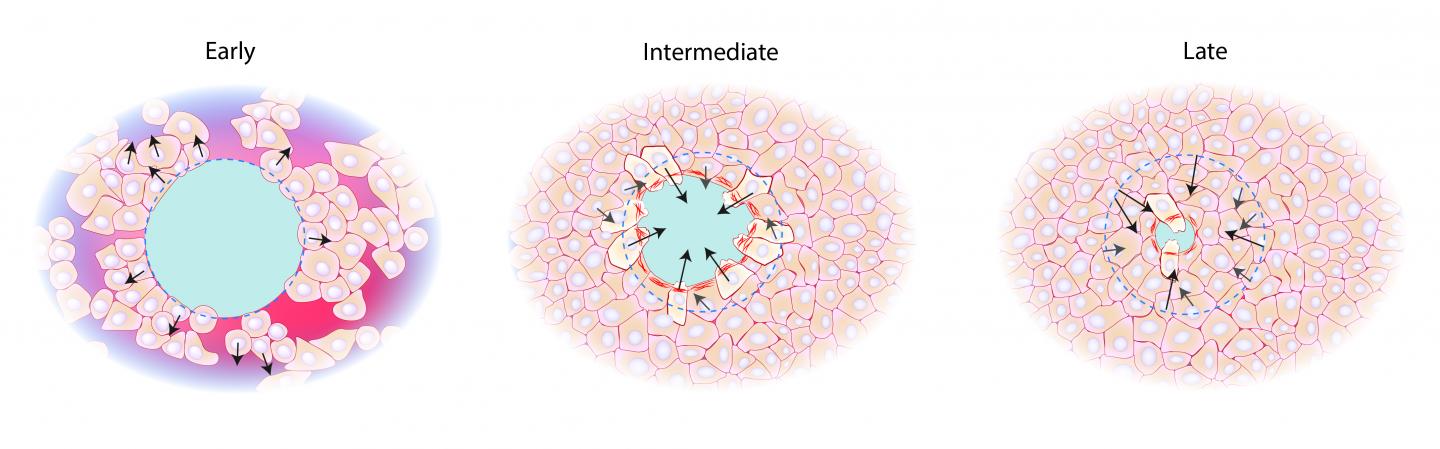
Skin provides an essential protective barrier against foreign materials and pathogens and helps the body retain various fluids and electrolytes. When that barrier is damaged, the consequences can be devastating. Ulcers, bleeding and bacterial infections may result and the chances of these occurring increases the longer wounds remain open. 

Fortunately, epithelial cell sheets are self-repairing. The moment the integrity of the barrier is compromised, cellular mechanisms are initiated to close the gap. Cells begin crawling forward, and contractile cables are formed in the cells surrounding the wound to help pull the gap closed.
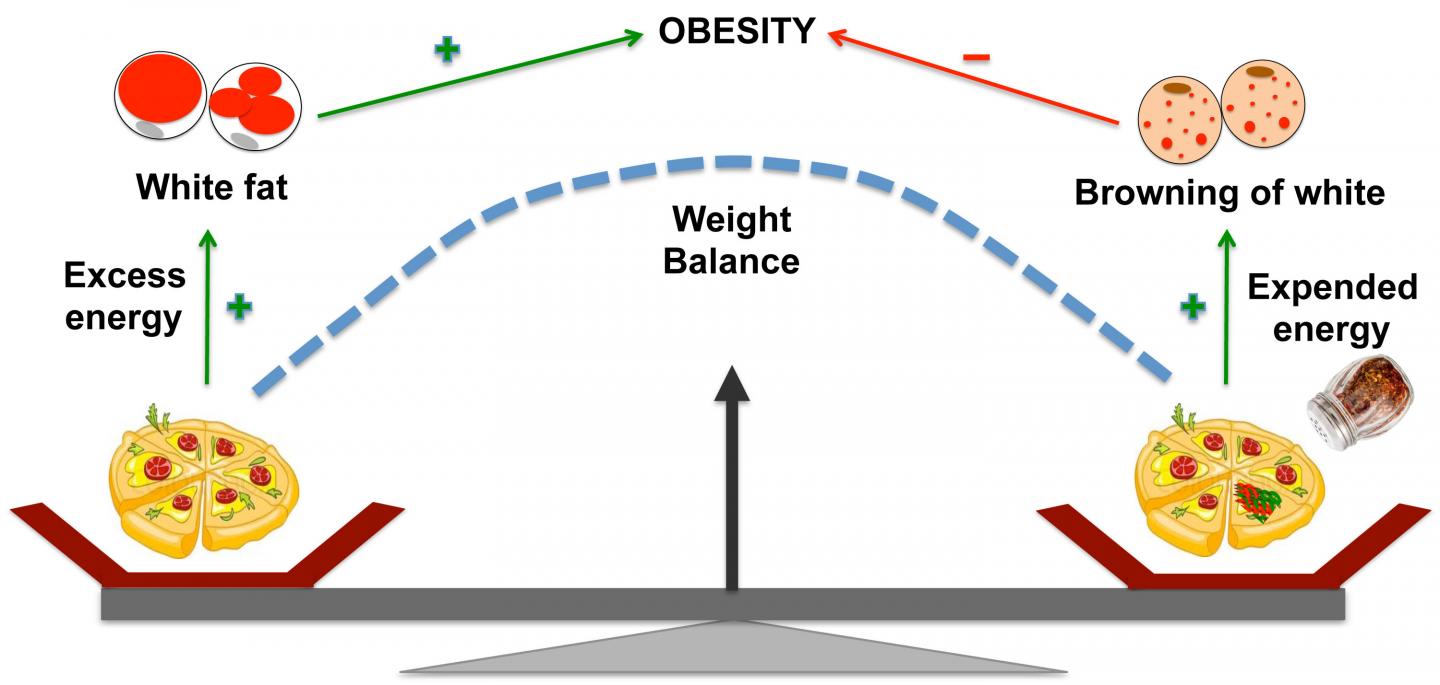
A recent finding about capsaicin from chili peppers curbing obesity in mice may be why nutritionists and diet marketing groups latch onto it in 2015. The world doesn't need another gimmick diet but clearly people need to eat less. Fully one third of the world is overweight, by World Health Organization estimates. Now a group at the University of Wyoming has found promise in the potential of capsaicin -- the chief ingredient in chili peppers -- as a diet-based supplement.