Banner
Here's Where Your Backyard Was 300 Million Years Ago

We may use terms like "grounded" and terra firma to mean stability and consistency but geology...

Convergent Evolution Cheat Sheet Now 120 Million Years Old

One tenet of natural selection is a random walk of genes but nature may be more predictable than...

Synchrotron Could Shed Light On Exotic Dark Photons

There are many hypothetical particles proposed to explain dark matter and one idea to explore how...

The Pain Scale Is Broken But This May Fix It

Chronic pain is reported by over 20 percent of the global population but there is no scientific...

User picture.
News StaffRSS Feed of this column.

News Releases From All Over The World, Right To You... Read More »

Blogroll

A new study identifies the BCL11A gene is especially active in aggressive subtypes of breast cancer. The research suggests that an overactive BCL11A gene drives triple-negative breast cancer development and progression. The research, which was done in human cells and in mice, provides new routes to explore targeted treatments for this aggressive tumor type.

There are many types of breast cancers that respond differently to treatments and have different prognoses. Approximately one in five patients is affected by triple-negative breast cancer; these cancers lack three receptor proteins that respond to hormone therapies used for other subtypes of breast cancer. In recent years it has become apparent that the majority of triple-negative tumors are of the basal-like subtype.

For patients with spinal stenosis, long-term outcomes are comparable with surgery or conservative treatment, according to a new study.

While earlier reports suggested an advantage of surgery, the updated analysis finds no significant difference in pain, functioning, of disability at eight years' follow-up, report Dr Jon D. Lurie and colleagues of Dartmouth-Hitchcock Medical Center, Lebanon, N.H. The results--representing the largest and highest-quality study to date--provide new evidence on what patients can expect several years after deciding whether or not to have or not have surgery for spinal stenosis.

Better Initial Results with Spinal Stenosis Surgery...

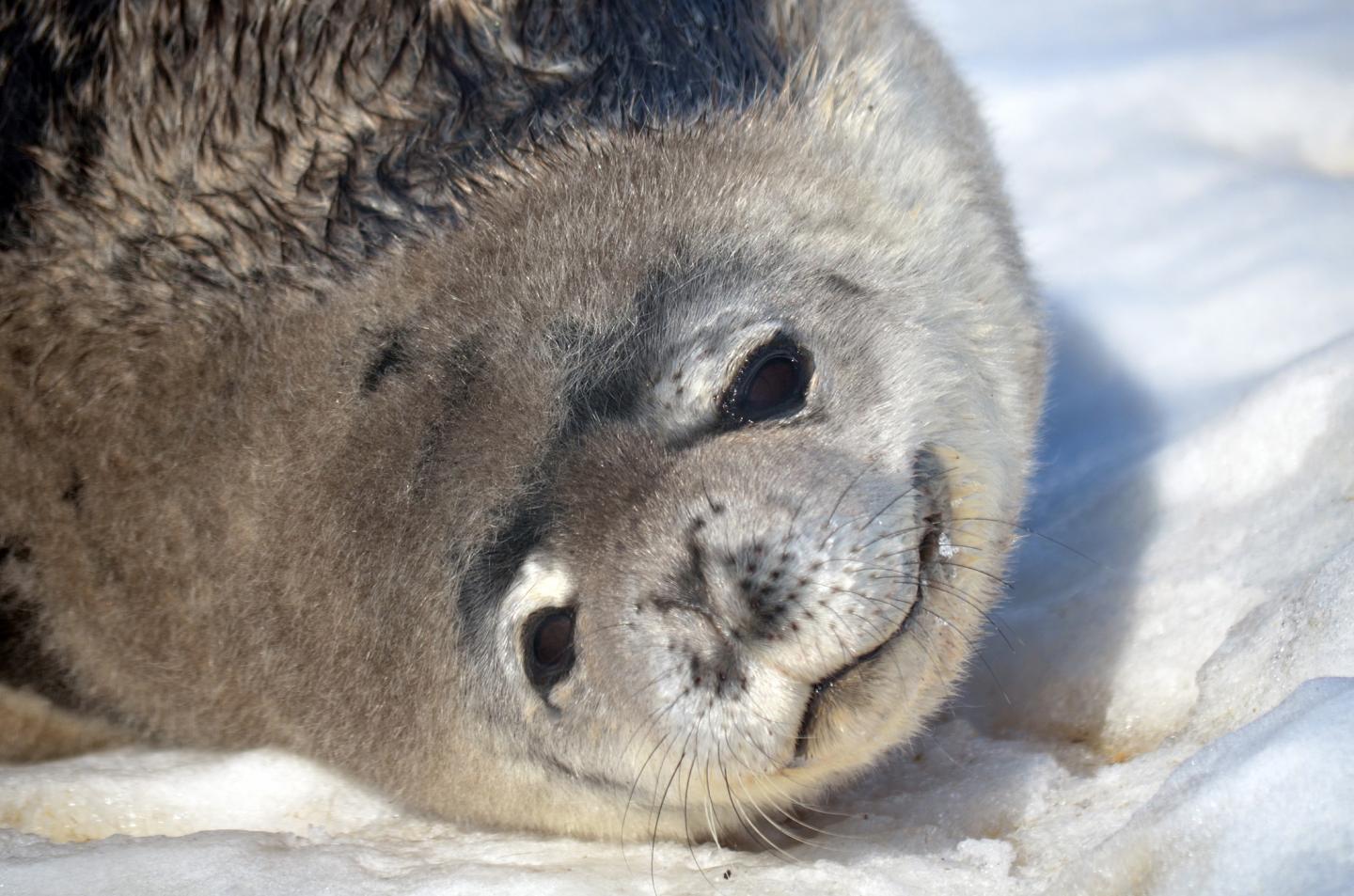
Dolphins and seals have had eons to adapt to aquatic life, but they can still be taxed while pushing the boundaries, according to a paper in Nature Communications which found a surprisingly high frequency of heart arrhythmias in bottlenose dolphins and Weddell seals - at least during their deepest dives. 

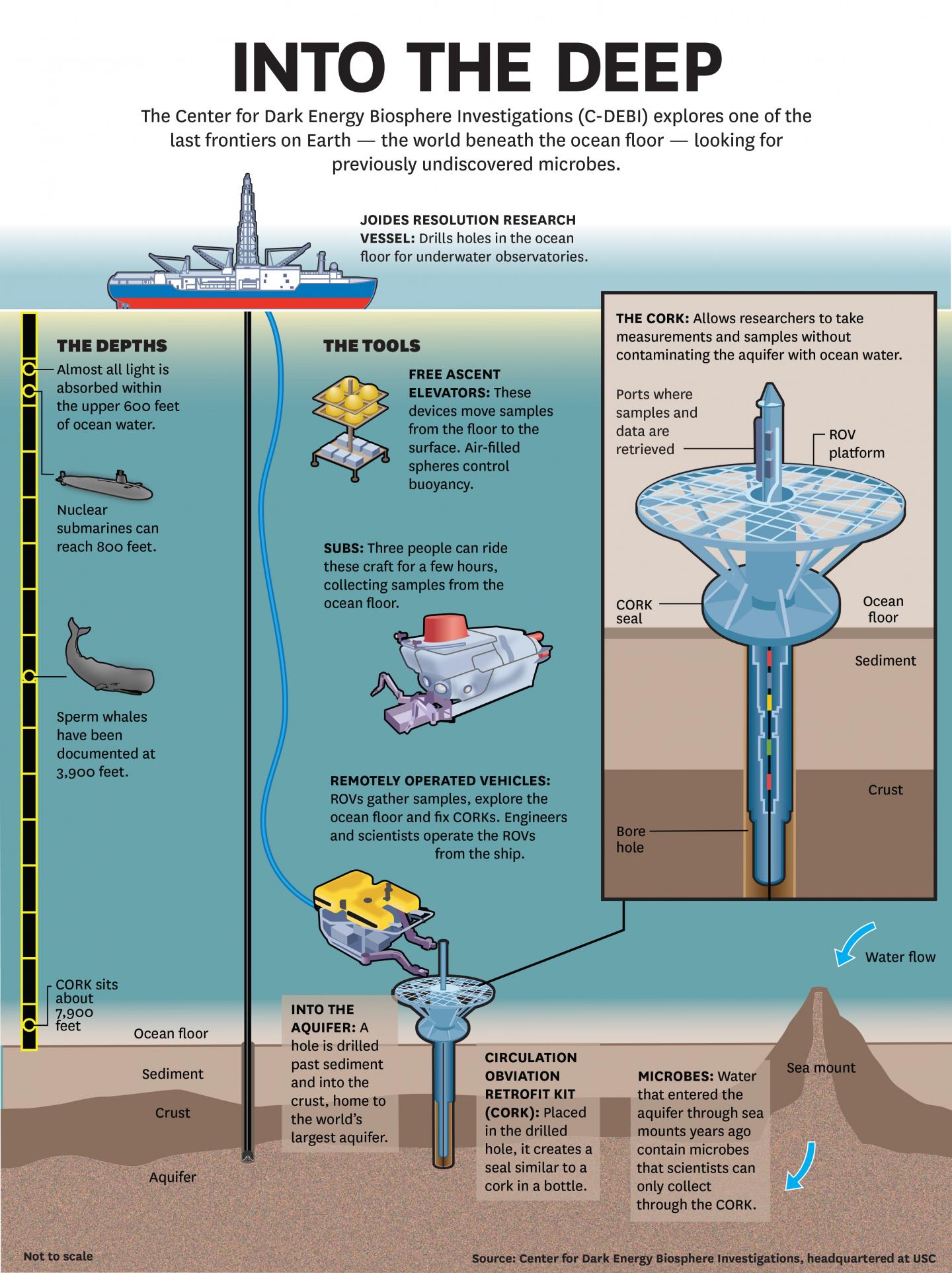
Two miles below the surface of the ocean, researchers have discovered new microbes that "breathe" sulfate. These microbes, which have yet to be classified and named, exist in massive undersea aquifers -- networks of channels in porous rock beneath the ocean where water continually churns.

About one-third of the Earth's biomass is thought to exist in this largely uncharted environment.

Sulfate is a compound of sulfur and oxygen that occurs naturally in seawater. It is used commercially in everything from car batteries to bath salts and can be aerosolized by the burning of fossil fuels, increasing the acidity of the atmosphere.

Evidence from some wrongful-conviction cases suggests that suspects can be questioned in ways that lead them to falsely believe in and confess to committing crimes they didn't actually commit.

The new work provides lab-based evidence for this phenomenon, showing that innocent adult participants can be convinced, over the course of a few hours, that they had perpetrated crimes as serious as assault with a weapon in their teenage years. The research in Psychological Science indicates that the participants came to internalize the stories they were told, providing rich and detailed descriptions of events that never actually took place.
In 1973, during a symposium to celebrate the 500th birthday of Copernicus, Brandon Carter, a post-doctoral researcher in astrophysics at the University of Cambridge, tweaked his audience by stating that humanity did indeed hold a special place in the Universe - the exact opposite of what scientists from Copernicus on have said.

Since then, it has gone in and out of fashion, and the Anthropic Principle, as it was called, was most recently embraced in some M-Theory flavors of string theory.