Banner
Here's Where Your Backyard Was 300 Million Years Ago

We may use terms like "grounded" and terra firma to mean stability and consistency but geology...

Convergent Evolution Cheat Sheet Now 120 Million Years Old

One tenet of natural selection is a random walk of genes but nature may be more predictable than...

Synchrotron Could Shed Light On Exotic Dark Photons

There are many hypothetical particles proposed to explain dark matter and one idea to explore how...

The Pain Scale Is Broken But This May Fix It

Chronic pain is reported by over 20 percent of the global population but there is no scientific...

User picture.
News StaffRSS Feed of this column.

News Releases From All Over The World, Right To You... Read More »

Blogroll

The Obama administration only recently banned incandescent bulbs and compact fluorescent bulbs are getting all of the marketing due to generous government subsidies, so light emitting diodes (LEDs) are yet to even get off the cultural ground but researchers are already moving on to their successors. 

Enter carbon electronics.

Electronics based on carbon, especially carbon nanotubes (CNTs), are emerging as successors to silicon for making semiconductor materials. And they may enable a new generation of brighter, low-power, low-cost lighting devices that could challenge the dominance of LEDs in the future and help meet society's ever-escalating demand for greener bulbs. 

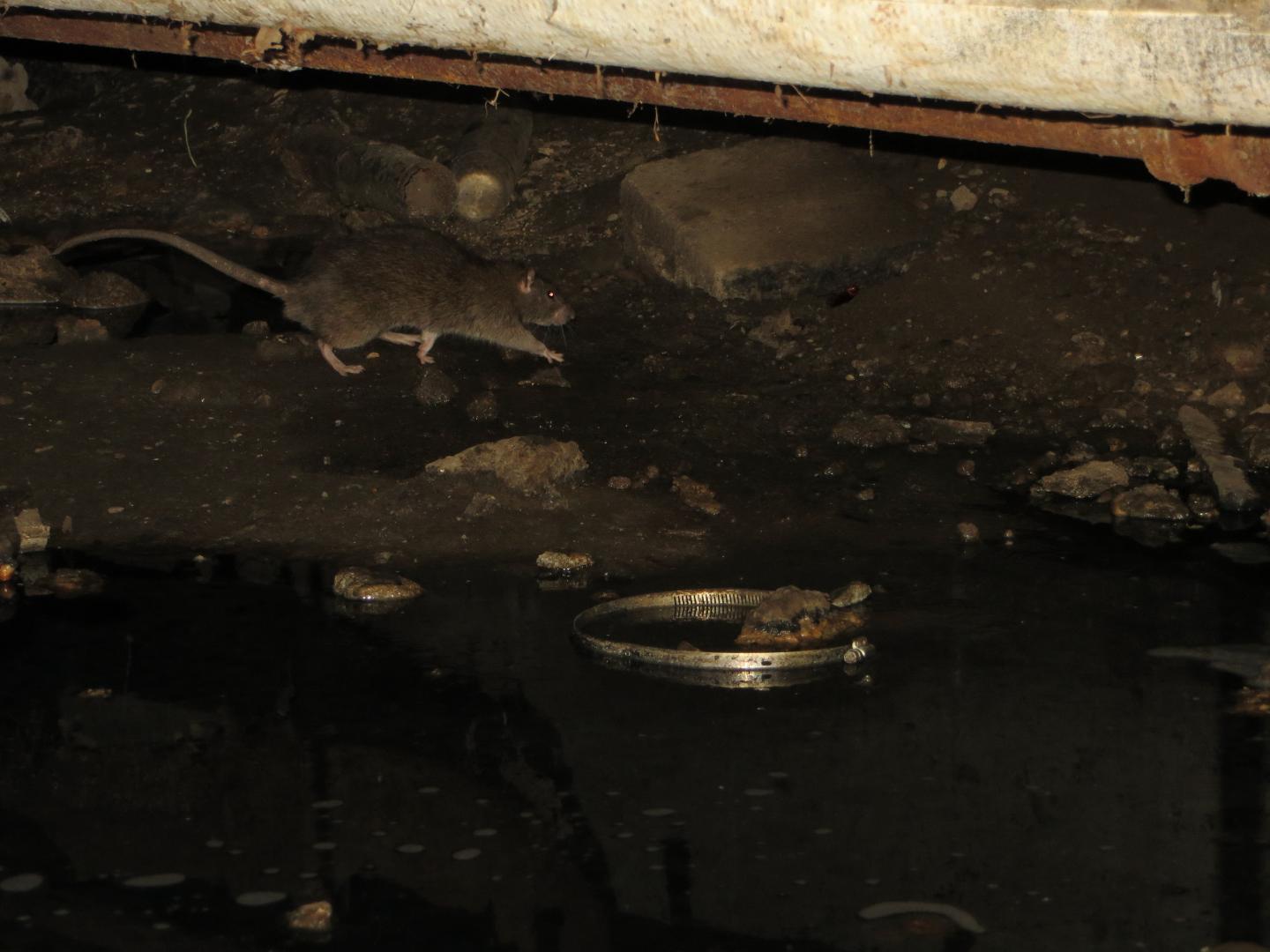
It's not a secret that rats carry diseases, they quite literally carried the pests that caused the Bubonic Plague across Europe in the middle ages. But New York City has always felt like their rats were exceptional compared to rats beyond the Hudson River, and so scientists at Columbia University's Mailman School of Public Health trapped 133 Norway rats at 5 sites in New York City, focusing on rats trapped inside residential buildings.

They examined them for identified bacterial pathogens, including E. coli, Salmonella, and C. difficile, that cause mild to life-threatening gastroenteritis in people; Seoul hantavirus, which causes Ebola-like hemorrhagic fever and kidney failure in humans; and the closest relative to human hepatitis C. 

High-resolution cryo-electron microscopy has revealed in unprecedented detail the structural changes in the bacterial ribosome which results in resistance to the antibiotic erythromycin.

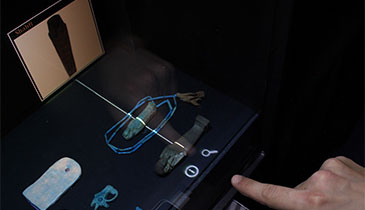
In the future, it may be possible to try on clothes even when the shop is closed, thanks to
semi-transparent mirrors in interactive systems presented at the ACM UIST 2014 human-computer interface conference.

The work, led by Professor Sriram Subramanian, Dr. Diego Martinez Plasencia and Florent Bethaut from the University of Bristol’s Department of Computer Science, builds on a mirror’s ability to map a reflection to one unique point behind the mirror, independently of the observer’s location. 
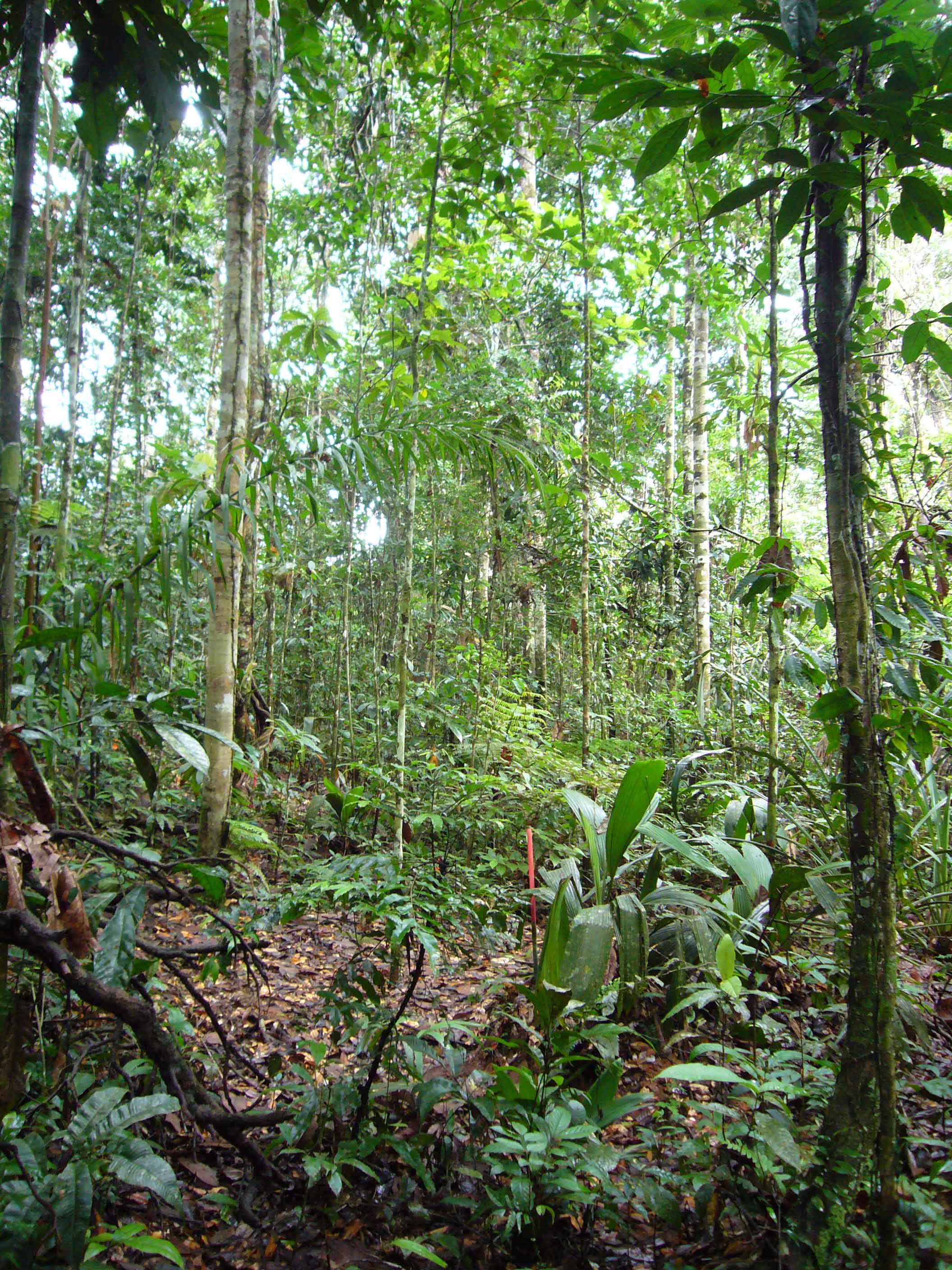
Why is biodiversity is higher in the tropics than in colder regions? It's one of ecology’s unsolved puzzles and has been since the European explorers and naturalists of the 17th and 18th centuries discovered there is a stunningly rich biodiversity in the tropics compared to the temperate regions of the world.

A research effort led by University of Arizona ecologists has now unearthed unexpected answers and helped found a new discipline, they call it functional biogeography, in the process.

Though health care is free, it doesn't always come without a cost. The United Kingdom is behind most countries in lung cancer survival and the big reason is because it goes undiagnosed.

It isn't that people won't go to the doctor due to cost, so it must be that doctors don't pick up the signs of lung cancer and investigate them, say the authors of a new study who analyzed family doctors' (GPs') investigation of lung cancer between 2000 and 2013, using data from The Health Improvement Network (THIN), which contains the anonymized health records of millions of primary care patients across the UK.