Banner
Here's Where Your Backyard Was 300 Million Years Ago

We may use terms like "grounded" and terra firma to mean stability and consistency but geology...

Convergent Evolution Cheat Sheet Now 120 Million Years Old

One tenet of natural selection is a random walk of genes but nature may be more predictable than...

Synchrotron Could Shed Light On Exotic Dark Photons

There are many hypothetical particles proposed to explain dark matter and one idea to explore how...

The Pain Scale Is Broken But This May Fix It

Chronic pain is reported by over 20 percent of the global population but there is no scientific...

User picture.
News StaffRSS Feed of this column.

News Releases From All Over The World, Right To You... Read More »

Blogroll

A new imaging system is capable of obtaining up to twelve times more color information than the human eye and conventional cameras, which implies a total of 36 color channels.

The system involves a new generation of sensors in combination with a matrix of multispectral filters to improve their performance. 

Social network analysis could improve knowledge sharing in the healthcare sector, according to a paper which shows how knowledge management systems (KMS) can be critical in capturing, retaining and communicating project results and staff knowledge. They can prevent knowledge drain and provide training as "lessons learned" following specific occurrences and the resolution of particular problems the staff face.

When you take a shower and use soap and then lather, rinse and repeat twice with that shampoo, it gets washed off your body and goes down the drain.

Environmentalists have claimed these soaps and shampoos and washing machine detergents - surfactants - seep into groundwater, lakes and streams, where they could pose a risk to fish and frogs.

But do they? Not likely, finds a new report of the potential impact on the environment of the enormous amounts of common surfactants used day in and day out by consumers all over the world. 

Though it has been researched for decades, the cause of nodding syndrome, a disabling disease affecting African children, is unknown. A new report suggests that blackflies infected with the parasite Onchocerca volvulus may be capable of passing on a secondary pathogen responsible for the spread of the disease. 

Concentrated in South Sudan, Northern Uganda, and Tanzania, nodding syndrome is a debilitating and deadly disease that affects young children between the ages of 5 and 15. When present, the first indication of the disease is an involuntary nodding of the head, followed by epileptic seizures. The condition can cause cognitive deterioration, stunted growth, and in some cases, death.

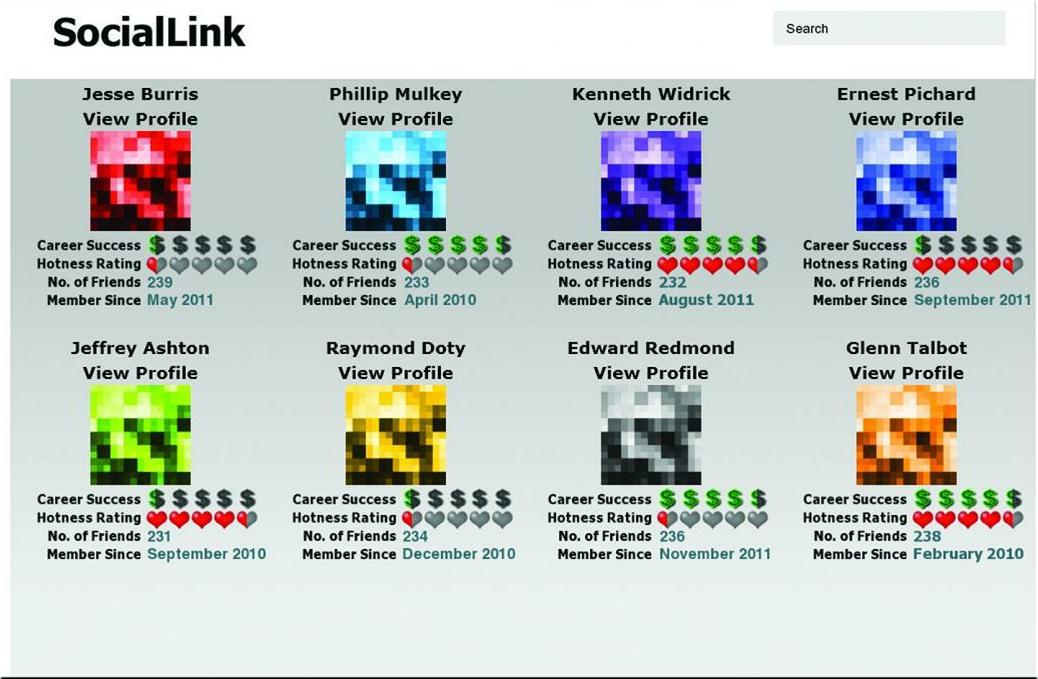
Call it cathartic but one modern way people in a bad mood feel better is to go on social media like Facebook and find friends doing even worse.

A new paper says that generally people use social media to connect with people who are posting positive and success-oriented updates. No one wants to hang out with downers - unless they are in a bad mood. Then people want to read about less attractive, less successful and more miserable people. The authors believe the
findings give more context to recent papers stating that found people who spend a lot of time on Facebook tend to be more frustrated, angry and lonely – presumably because of all the happy updates from friends that make them feel inadequate. 

A new study has found that lungs become more inflammatory with age and that ibuprofen can lower that inflammation - and the difference can be dramatic.

Immune cells from old mouse lungs, after lung inflammation was reduced by ibuprofen, fought tuberculosis bacteria as effectively as cells from young mice. The ibuprofen had no effect on the immune response to TB in young mice. The researchers already knew that old mice had a harder time clearing TB from the lungs than young mice, but had not investigated the role of lung inflammation in that response.