Banner
Here's Where Your Backyard Was 300 Million Years Ago

We may use terms like "grounded" and terra firma to mean stability and consistency but geology...

Convergent Evolution Cheat Sheet Now 120 Million Years Old

One tenet of natural selection is a random walk of genes but nature may be more predictable than...

Synchrotron Could Shed Light On Exotic Dark Photons

There are many hypothetical particles proposed to explain dark matter and one idea to explore how...

The Pain Scale Is Broken But This May Fix It

Chronic pain is reported by over 20 percent of the global population but there is no scientific...

User picture.
News StaffRSS Feed of this column.

News Releases From All Over The World, Right To You... Read More »

Blogroll


Nearly 1 in 3 young adults ages 19 to 25 years lacked health insurance in 2009 - in most cases, they didn't want to incur the cost but one of the goals of the Affordable Care Act, also known as Obamacare, was to get all young people or their parents paying for coverage so that the people who could not get it could afford to be subsidized.

Thus, an early provision of Obamacare mandated that young people had to pay for health insurance - or insurance companies had to let them stay on their parents' policies until age 26. For a recent paper, Meera Kotagal, M.D., M.P.H., of the University of Washington, Seattle, and colleagues examined coverage, access to care and health care use among 19- to 25-year-olds compared with 26- to 34-year-olds after the Obamacare mandate. 

Though nearly every medical body and the United Nations would rather that epidemiologists stop talking about "pre-diabetes", concerns are still there. Governments are worried that working up the public about pre-diabetes will increase patient costs by 500 percent while advocates for it to be taken seriously believe it might head off serious issues later in life.

Pre-diabetes is a general term that refers to a vague intermediate stage between normoglycemia and diabetes mellitus. It has been broadened to include individuals with impaired glucose tolerance (IGT), impaired fasting glucose (IFG) or a combination of the two.

Results to date from prospective cohort studies investigating the link between prediabetes and risk of cancer are controversial. 

A team of researchers have evaluated mepolizumab, a new antibody-based drug for certain patients with severe asthma, and found it can replace traditional, steroid-based treatments for a specific subset of patients, resulting in improved outcomes and reduced side effects.

Patients with severe asthma often require high doses of steroid-based treatments that can significantly impair their quality of life.

These high doses can cause debilitating side effects including mood swings, diabetes, bone loss, skin bruising, cataracts and hypertension.
Previous research at the Hamilton institutions has identified specific types of patient with severe asthma have an overabundance of a particular type of white blood cell (eosinophils) present in their sputum.

Though the American government now wants to control intake, another study has affirmed that claims of a link between table salt and hypertension were always on shaky ground.

A new paper in the American Journal of Hypertension instead finds that increased Body Mass Index, age, and non-sodium dietary factors are bigger factors in systolic blood pressure than sodium intake. 

The researchers measured the effects of sodium intake, Body Mass Index, physical activity, alcohol consumption, and non-sodium dietary factors on the blood pressure of 8,670 French adults and concluded that Body Mass Index, age, and alcohol intake were all strongly linked to blood pressure increases.

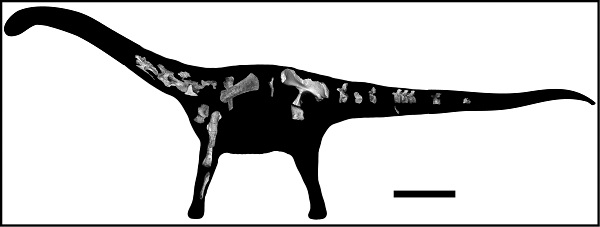
A new species of titanosaurian, a member of the large-bodied sauropods that thrived during the final period of the dinosaur age, has been found in Tanzania.

Many fossils of titanosaurians have been discovered around the globe, notably in South America, but few have been recovered from the continent of Africa.