Banner
Here's Where Your Backyard Was 300 Million Years Ago

We may use terms like "grounded" and terra firma to mean stability and consistency but geology...

Convergent Evolution Cheat Sheet Now 120 Million Years Old

One tenet of natural selection is a random walk of genes but nature may be more predictable than...

Synchrotron Could Shed Light On Exotic Dark Photons

There are many hypothetical particles proposed to explain dark matter and one idea to explore how...

The Pain Scale Is Broken But This May Fix It

Chronic pain is reported by over 20 percent of the global population but there is no scientific...

User picture.
News StaffRSS Feed of this column.

News Releases From All Over The World, Right To You... Read More »

Blogroll

A newly discovered "hypervelocity star" is the closest, second-brightest and among the largest found so far. It is speeding at more than 1 million mph and may provide clues about the supermassive black hole at the center of our Milky Way. Also, add in the obligatory "dark matter" reference.

Hypervelocity stars appear to be remaining pairs of binary stars that once orbited each other and got too close to the supermassive black hole at the galaxy's center. Intense gravity from the black hole – which has the mass of 4 million stars like our sun – captures one star so it orbits the hole closely, and slingshots the other on a trajectory headed beyond the galaxy.

Synthetic Genomics announceda multi-year research and development agreement with Lung Biotechnology to develop humanized pig organs using synthetic genomic advances. The collaboration will focus upon developing organs for human patients in need of transplantation, with an initial focus on lung diseases. 

In the United States alone, about 400,000 people die annually from various forms of lung disease including cancer. 2,000 people are saved with a lung transplant and about the same number are added to the transplant wait list annually. 99% of deaths due to lung failure are unavoidable because of the shortage of transplantable human lungs.
The esophagus carries food and liquid from the mouth to the stomach. There are two main types of esophageal cancer: adenocarcinoma and squamous cell carcinoma. The most common form of the disease in the U.S. is adenocarcinoma and is most prevalent in Caucasian men between the ages of 50 and 70.

Adenocarcinoma, which is one of the fastest growing cancers in the country, has also been linked to obesity – perhaps related to chronic exposure to stomach acid. According to the National Cancer Institute, about 18,000 Americans were diagnosed with esophageal cancer in 2013.
A paper by The Environmental Justice and Health Alliance (EJHA), Center for Effective Government (CEG) and Coming Clean, links higher poverty to many Black and Latino communities living within chemical disaster "vulnerability zones" and say the risk of danger is much greater for those communities than for the U.S. as a whole - the very definition of disproportionate danger. 

PULLMAN, Wash.—It sounds like a phrase from Urban Dictionary, or the title of an animated gif, but a Washington State University researcher says "exploding head syndrome" is an authentic and largely overlooked phenomenon that warrants a deeper look.

"It's a provocative and understudied phenomenon," said Brian Sharpless, a WSU assistant professor and director of the university psychology clinic, who recently reviewed the scientific literature on the disorder for the journal Sleep Medicine Reviews. "I've worked with some individuals who have it seven times a night, so it can lead to bad clinical consequences as well."

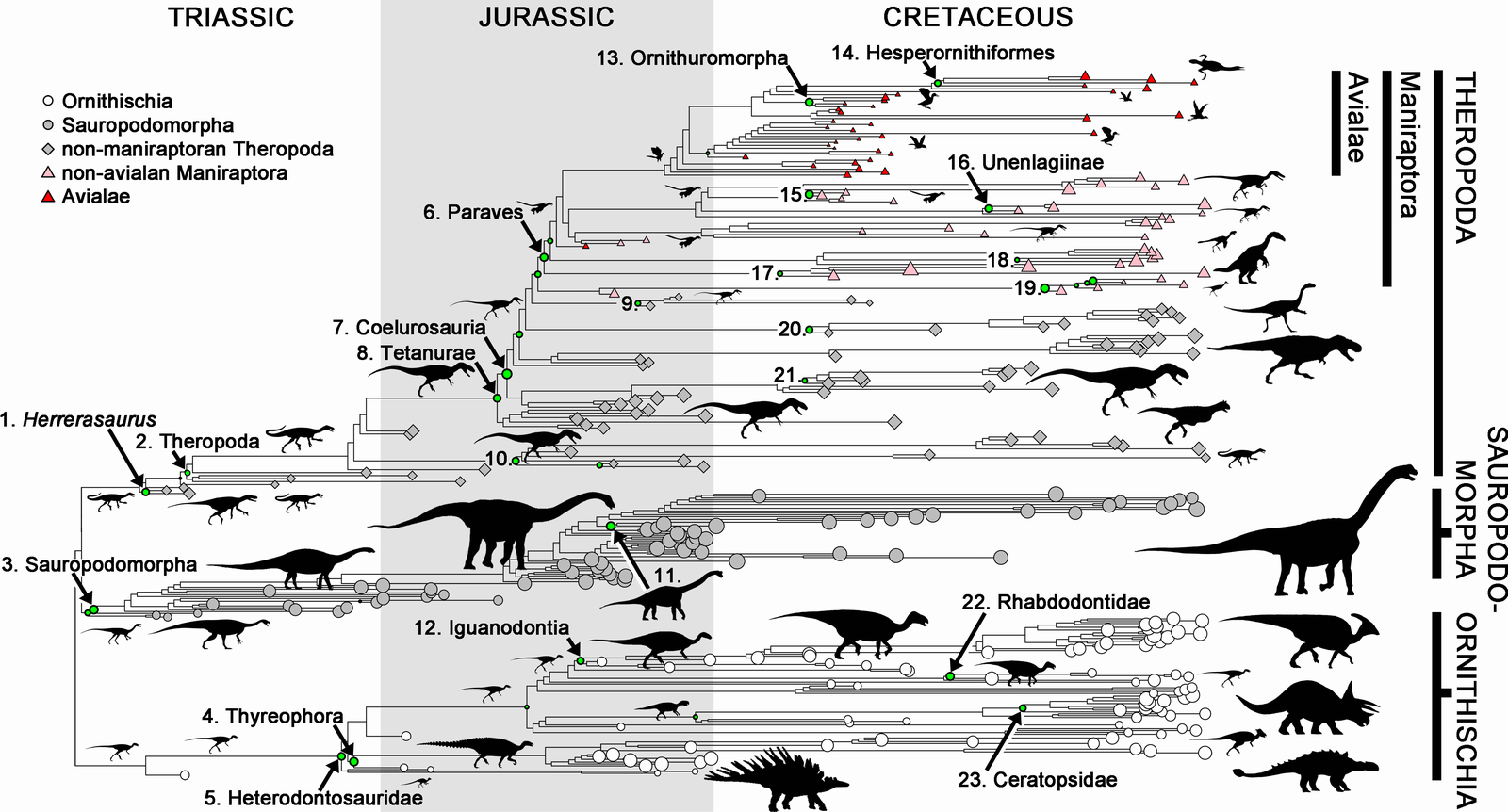
Most dinosaurs went extinct 65 million years ago but one dinosaur lineage survived and lives on today – we call these the birds and they rule the skies the way they once ruled land. 

An international team, led by scientists from Oxford University and the Royal Ontario Museum, estimated the body mass of 426 dinosaur species based on the thickness of their leg bones. The team found that dinosaurs showed rapid changes in body size shortly after their origins, around 220 million years ago. 

However, these soon slowed: only the evolutionary line leading to birds continued to change size at this rate, and did so for a further 170 million years, producing new ecological diversity not seen in other dinosaur lineages.