Banner
Synchrotron Could Shed Light On Exotic Dark Photons

There are many hypothetical particles proposed to explain dark matter and one idea to explore how...

The Pain Scale Is Broken But This May Fix It

Chronic pain is reported by over 20 percent of the global population but there is no scientific...
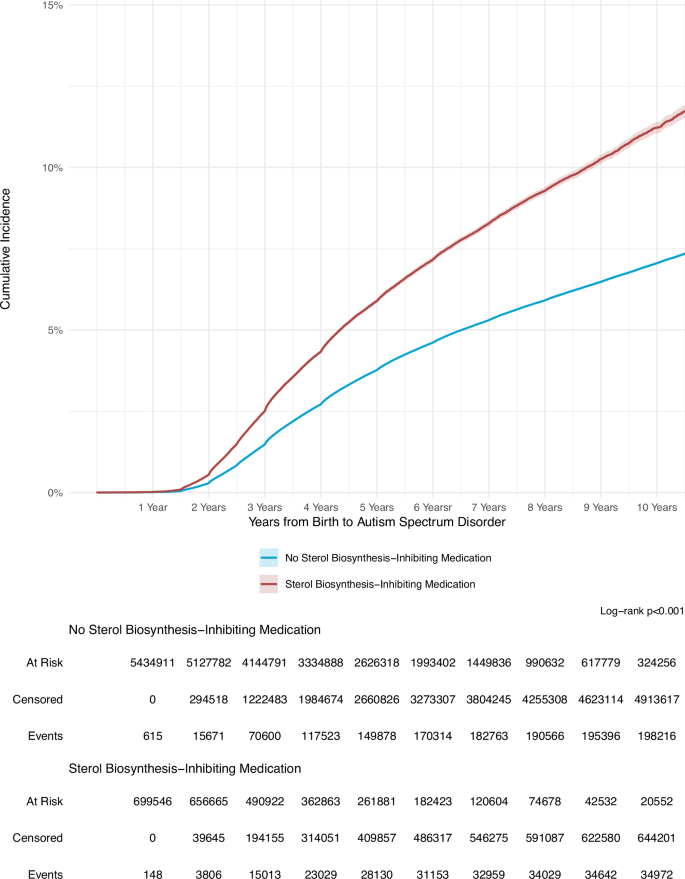
Study Links Antidepressants, Beta-blockers and Statins To Increased Autism Risk

An analysis of 6.14 million maternal-child health records  has linked prescription medications...

Pilot Study: Fibromyalgia Fatigue Improved By TENS Therapy

Fibromyalgia is the term for a poorly-understood condition where people experience pain and fatigue...

User picture.
News StaffRSS Feed of this column.

News Releases From All Over The World, Right To You... Read More »

Blogroll

For the first time, an international team of astrophysicists, including Lawrence Livermore National Laboratory scientists, have unraveled how stars blow up in supernova explosions.

Using NASA's Nuclear Spectroscopic Telescope Array (NuSTAR) – a high-energy X-ray observatory - the international collaboration created the first-ever map of radioactive material in a supernova remnant, named Cassiopeia A, or Cas A for short. The findings reveal how shock waves likely rip apart massive dying stars, and ultimately end their lives.

A reduced risk of cervical lesions among Danish girls and women at the population level is associated with use of a quadrivalent HPV vaccine after only six years, according to a new study published February 19 in the Journal of the National Cancer Institute.

The synthetic chemicals used in the packaging, storage, and processing of foodstuffs might be harmful to human health over the long term, warn environmental scientists in a commentary in the Journal of Epidemiology and Community Health.

This is because most of these substances are not inert and can leach into the foods we eat, they say.

Despite the fact that some of these chemicals are regulated, people who eat packaged or processed foods are likely to be chronically exposed to low levels of these substances throughout their lives, say the authors.

And far too little is known about their long term impact, including at crucial stages of human development, such as in the womb, which is "surely not justified on scientific grounds," the authors claim.

PROVIDENCE, R.I. [Brown University] — Out of an effort to account for what seemed in airborne images to be unusually large tree growth in a Hawaiian forest, scientists at Brown University and the Carnegie Institution for Science have developed a new mathematical model that predicts how trees compete for space in the canopy.

What their model revealed for this particular forest of hardy native Metrosideros polymorpha trees on the windward slope of Manua Kea, is that an incumbent tree limb greening up a given square meter would still dominate its position two years later a forbidding 97.9 percent of the time. The model described online in the journal Ecology Letters could help generate similar predictions for other forests, too.

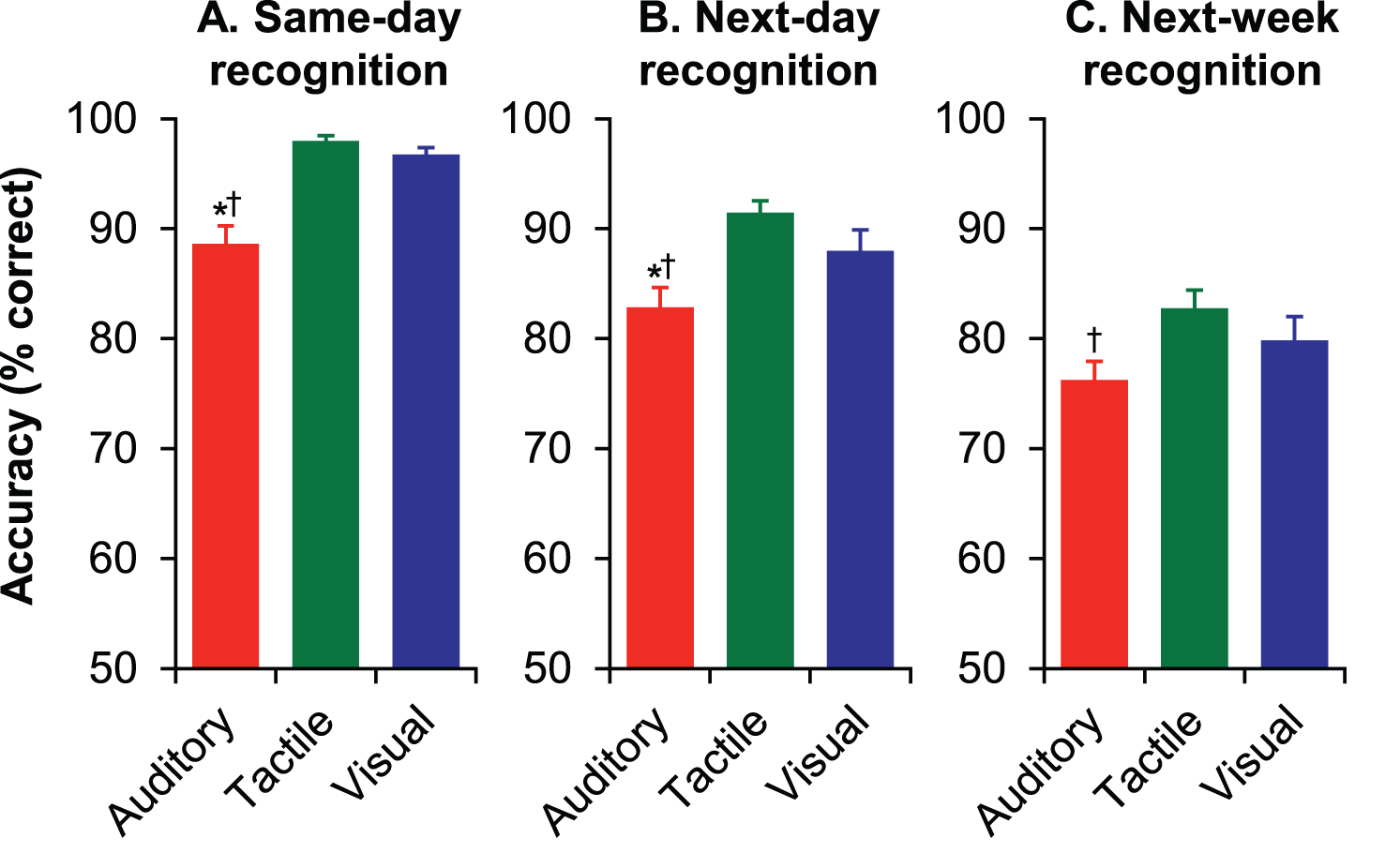
Our brains may not be optimized for recalling things we hear, the way we are good at remembering things we see or touch.

Psychologists doing a study of over 100 University of Iowa college students found that they were less able to recall a variety of sounds the way they could visuals and things they felt.

In an experiment testing short term-memory, participants were asked to listen to pure tones they heard through headphones, look at various shades of red squares, and feel low-intensity vibrations by gripping an aluminum bar.

Each set of tones, squares and vibrations was separated by time delays ranging from one to 32 seconds.

By growing “mini-livers” from adult mouse stem cells, the road may be paved to replacing, reducing or refining the use of animals in science.

Dr. Meritxell Huch from the Gurdon Institute at Cambridge received the National Centre for the Replacement, Refinement and Reduction of Animals in Research (NC3Rs) 3Rs Prize for developing a method that enables adult mouse stem cells to grow and expand into fully functioning three-dimensional liver tissue.