

Banner
Synchrotron Could Shed Light On Exotic Dark Photons

There are many hypothetical particles proposed to explain dark matter and one idea to explore how...

The Pain Scale Is Broken But This May Fix It

Chronic pain is reported by over 20 percent of the global population but there is no scientific...
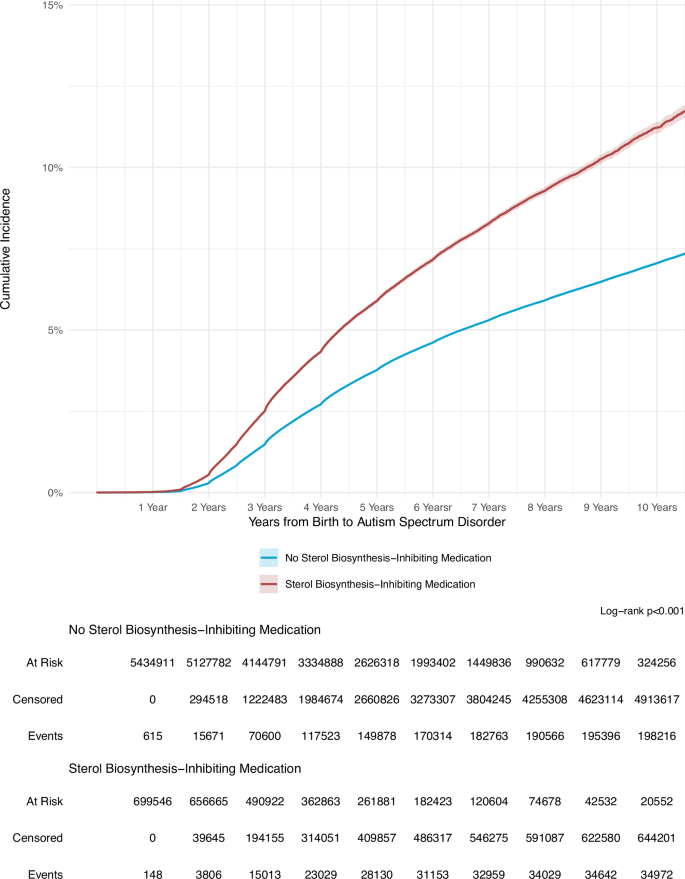
Study Links Antidepressants, Beta-blockers and Statins To Increased Autism Risk

An analysis of 6.14 million maternal-child health records  has linked prescription medications...

Pilot Study: Fibromyalgia Fatigue Improved By TENS Therapy

Fibromyalgia is the term for a poorly-understood condition where people experience pain and fatigue...

User picture.
News StaffRSS Feed of this column.

News Releases From All Over The World, Right To You... Read More »

Blogroll

The lipid-rich membranes of cells are largely impermeable to proteins, but evolution has provided a way through – in the form of transmembrane tunnels. A new study shows in unmatched detail what happens as proteins pass through such a pore.

A large body of literature has shown that genetically-modified plants that produce proteins from the bacterium Bacillus thuringiensis (Bt) to protect themselves from insect pests have little to no effect on a wide range of nontarget insects. However, concerns about Bt crops still exist. Now two new studies using more exacting methods show that Bt crops have no negative effects on two beneficial insect predators or on a beneficial, entomopathogenic nematode.

A new study may alleviate concerns that the human papillomavirus (HPV) vaccine leads to either the initiation of sex or unsafe sexual behaviors among teenage girls and young women.

WASHINGTON - Single-sex education does not educate girls and boys any better than coed schools, according to research published by the American Psychological Association analyzing 184 studies of more than 1.6 million students from around the world. The findings are published online Feb. 3 in the APA journal Psychological Bulletin.

"Proponents of single-sex schools argue that separating boys and girls increases students' achievement and academic interest," said author Janet Shibley Hyde, PhD, of University of Wisconsin-Madison. "Our comprehensive analysis of the data shows that these advantages are trivial and, in many cases, nonexistent."

In a study to be presented on Feb. 6 at 3 p.m. CST, at the Society for Maternal-Fetal Medicine's annual meeting, The Pregnancy Meeting™, in New Orleans, researchers will report that women ages 35 and older are at a decreased risk of having a child with a major congenital malformation, after excluding chromosomal abnormalities.

FINDINGS:

Women who are 65 and older routinely undergo bone-density testing to screen for osteoporosis. But for those between the ages of 50 and 64, it has been unclear who should be screened.

Researchers sought to determine how well the current screening strategy recommended by the U.S. Preventive Services Task Force — the independent expert panel appointed by the federal government to review and recommend various screenings — would perform in identifying candidates in this age range for screening.

Using health data on women ages 50-64 from the Women's Health Initiative study, the researchers found that the current strategy would identify only 34 percent of women who actually had bone-mineral density in the osteoporosis range.

