Banner
Synchrotron Could Shed Light On Exotic Dark Photons

There are many hypothetical particles proposed to explain dark matter and one idea to explore how...

The Pain Scale Is Broken But This May Fix It

Chronic pain is reported by over 20 percent of the global population but there is no scientific...
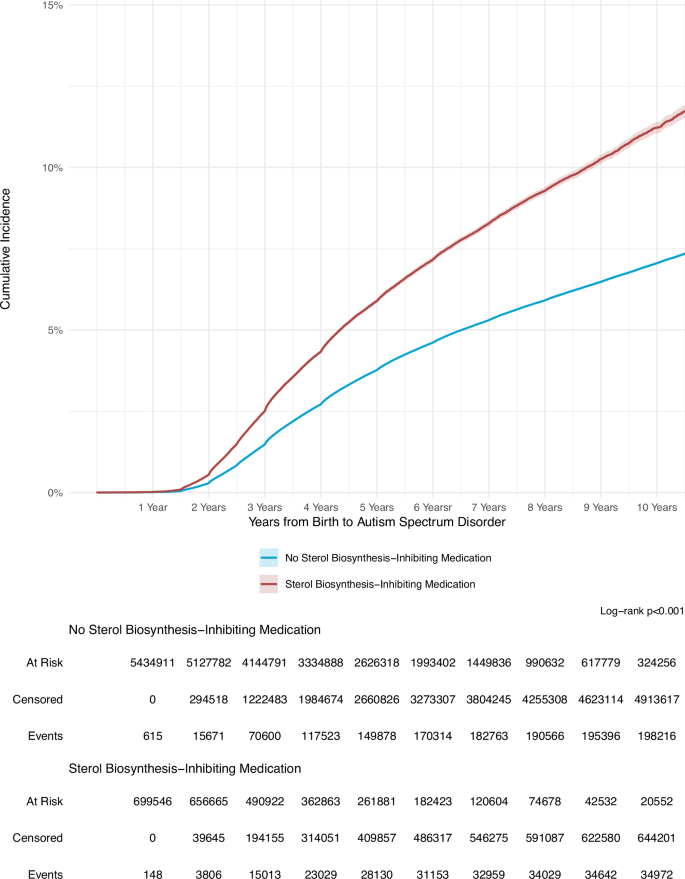
Study Links Antidepressants, Beta-blockers and Statins To Increased Autism Risk

An analysis of 6.14 million maternal-child health records  has linked prescription medications...

Pilot Study: Fibromyalgia Fatigue Improved By TENS Therapy

Fibromyalgia is the term for a poorly-understood condition where people experience pain and fatigue...

User picture.
News StaffRSS Feed of this column.

News Releases From All Over The World, Right To You... Read More »

Blogroll

A drug given to pregnant mice with models of autism prevents autistic behavior in their offspring, according to a new report, and though the drug could not be administered prenatally in humans - there is no way to screen for autism in human fetuses - clinical trials of this drug administered later in development, in young children who have already developed autistic symptoms, have showm promise. 

The causes of autism spectrum disorder, or ASD, are complex and not well understood.

Researchers have discovered an unusual bacterial protein that attaches to virtually any antibody and prevents it from binding to its target. Protein M, as it is called, probably helps some bacteria evade the immune response and establish long-term infections.

If follow-up studies confirm Protein M's ability to defeat the antibody response, it is likely to become a target of new antibacterial therapies. The protein's unique ability to bind generally to antibodies also should make it a valuable tool for research and drug development.

The autism community agrees that autism has its origins in early life—fotal and/or postnatal.

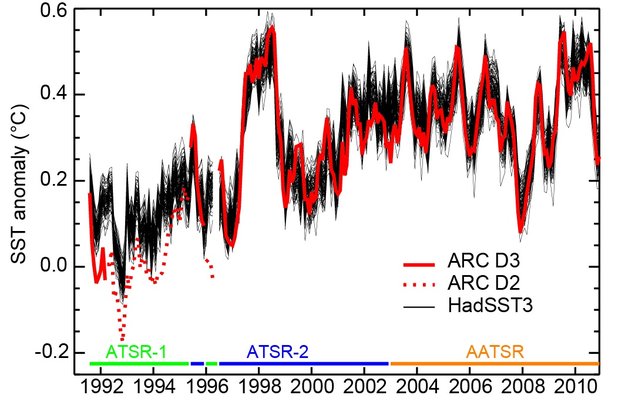
Satellite observations of global sea-surface temperature have shown that a 30-year upward trend slowed in the last 15 years.  It can't be due to successful mitigation, since outside the United States and a few countries in Europe, CO2 emissions have not dropped back to those levels.

Some satellites carry instruments that provide a global view of the surface temperature of oceans and seas. Satellite and local readings show that sea-surface temperature rose rapidly during the 1970s and '80s but then significantly slowed in the last 15 years.

 Mesopelagic fishes like lantern fishes (Myctophidae) and cyclothonids (Gonostomatidae) live in the twilight zone of the ocean, between 200 and 1,000 meters deep.

 With a stock estimated at 1,000 million tons so far, mesopelagic fish dominate the total biomass of fish in the ocean and are the most numerous vertebrates of the biosphere. Now it turns out they have been severely underestimated. Researchers writing in Nature Communications have estimated their numbers are 10 times higher than previous estimated, based on acoustic observations conducted during the circumnavigation of the Malaspina Expedition.

Policy makers know to hit biology where it counts; in the wallet. Rural farmers in Mexico have seen honey shipments to Germany rejected because of genetically modified organism (GMO) soybean pollen in honey samples

Is it harmful? No, but that is not how European science policy is written. Instead, because GMO soybean pollen in honey has not been approved for human consumption in honey, it as returned as unsafe and farmers have to take the hit - unless they stop using GMOs and use more pesticides and herbicides.