Banner
Synchrotron Could Shed Light On Exotic Dark Photons

There are many hypothetical particles proposed to explain dark matter and one idea to explore how...

The Pain Scale Is Broken But This May Fix It

Chronic pain is reported by over 20 percent of the global population but there is no scientific...
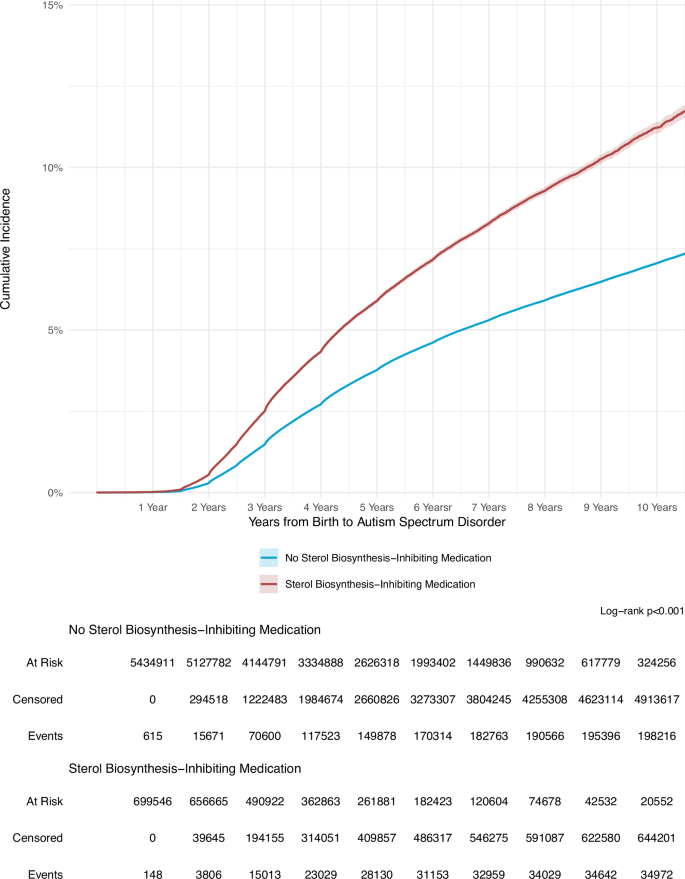
Study Links Antidepressants, Beta-blockers and Statins To Increased Autism Risk

An analysis of 6.14 million maternal-child health records  has linked prescription medications...

Pilot Study: Fibromyalgia Fatigue Improved By TENS Therapy

Fibromyalgia is the term for a poorly-understood condition where people experience pain and fatigue...

User picture.
News StaffRSS Feed of this column.

News Releases From All Over The World, Right To You... Read More »

Blogroll

Backboned animals, at least the ones with jaws, have four fins or limbs, one pair in front and one pair behind.

Thanks to that random prankster known as evolution, these have been modified into a marvelous variety of fins, legs, arms, flippers, and wings. But how did our earliest ancestors settle into such a consistent arrangement of two pairs of appendages?

It's because we have a belly say theoretical biologists (yes, that's a real thing) at the University of Vienna and the Konrad Lorenz Institute for Evolution and Cognition Research. 

Can a big name lead to a boost, even for low-profile work?

Indeed it can, according to an analysis which found that scientific papers written by well-known scholars get more attention than they otherwise would receive because of their authors’ high profiles - but there are some subtle twists in how this happens.
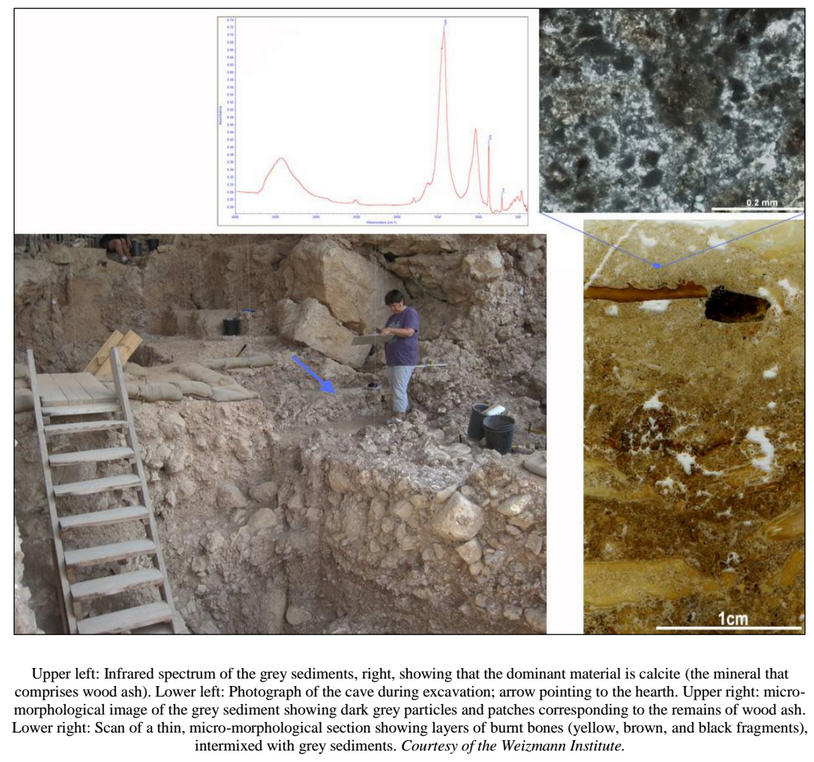
It's believed that humans discovered fire over a million years ago but when it became something controlled and used for daily needs is unknown.

Fire is central to the rise of human culture and a discovery by archeologists at Qesem Cave, a site near present-day Rosh Ha’ayin in the Central District of Israel, has pushed the date for  unequivocal repeated fire building over a continuous period back a little farther - back to around 300,000 years ago.

In a way, you could be walking on water right now.

Water is carried to the mantle by deep sea fault zones which penetrate the oceanic plate as it bends into the subduction zone. Subduction, where an oceanic tectonic plate is forced beneath another plate, causes large earthquakes such as the recent Tohoku earthquake, as well as many earthquakes that occur hundreds of kilometers below the Earth's surface.

Over the age of the Earth, the Japan subduction zone alone could transport the equivalent of up to three and a half times the water of all the Earth's oceans to its mantle, according to a new paper which shows that deep sea fault zones could transport much larger amounts of water from the Earth's oceans to the upper mantle than previously thought. 

Around 25.8 million Americans have diabetes and up to 79 million may be at risk for for it.

A paper in the European Journal of General Practice
 says that a simple blood test reveals an individual's risk of developing type-2 diabetes before they develop either condition — far earlier than previously believed.

In healthy people, glucose is absorbed from the blood for use by various tissues. But the cells of people with type-2 diabetes are resistant to insulin, which is produced by the pancreas and is central to regulating carbohydrate and fat metabolism in the body. These individuals have higher-than-normal blood glucose levels. People with a "prediabetes" risk of getting diabetes have blood glucose levels somewhere between normal and diabetic. 

A new study has found that  a therapeutic music process that includes writing song lyrics and producing videos
helps adolescents and young adults undergoing cancer treatment gain coping skills and resilience-related outcomes.