Banner
Pilot Study: Fibromyalgia Fatigue Improved By TENS Therapy

Fibromyalgia is the term for a poorly-understood condition where people experience pain and fatigue...

High Meat Consumption Linked To Lower Dementia Risk

Older people who eat large amounts of meat have a lower risk of dementia and cognitive decline...

Long Before The Inca Colonized Peru, Natives Had A Thriving Trade Network

A new DNA analysis reveals that long before the Incan Empire took over Peru, animals were...

Mesolithic People Had Meals With More Tradition Than You Thought

The common imagery of prehistoric people is either rooting through dirt for grubs and picking berries...

User picture.
News StaffRSS Feed of this column.

News Releases From All Over The World, Right To You... Read More »

Blogroll

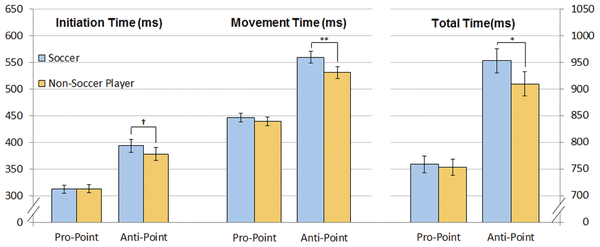
America leads the world in science and Nobel prizes but we may never compete in men's soccer. The reason may be because men are too smart to hit things with their heads. A paper on the effects of young women who hit things with their heads is why.

The ongoing effects of a boxer hitting you in the head (bad) or Ronda Rousey arm-barring you into unconsciousness (kind of awesome - once, anyway) would seem obvious but a new paper says even less forceful actions, like 'heading' a soccer ball, can lead to changes in performance on certain cognitive tasks. It may be the American academia is out to kill sports. With science saying hockey and football are also bad for brains, and psychologists claiming competition hurts psyches, our future looks bleak.

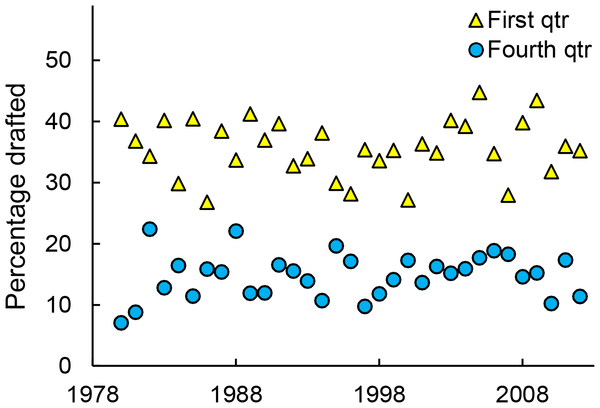
A new paper says a hockey player's birthday strongly biases how professional teams assess his talent. 

The authors found that, on average, National Hockey League (NHL) draftees born between July and December are much more likely than those born in the first three months of the year to have successful careers. In particular, 34 percent of draftees were born in the last six months of the year, but these individuals played 42 percent of the games and scored 44 percent of the points accumulated by those in the study. By contrast, those born in the first three months of the year constituted 36 percent of draftees but only played 28 percent of the games and only scored 25 percent of the points.

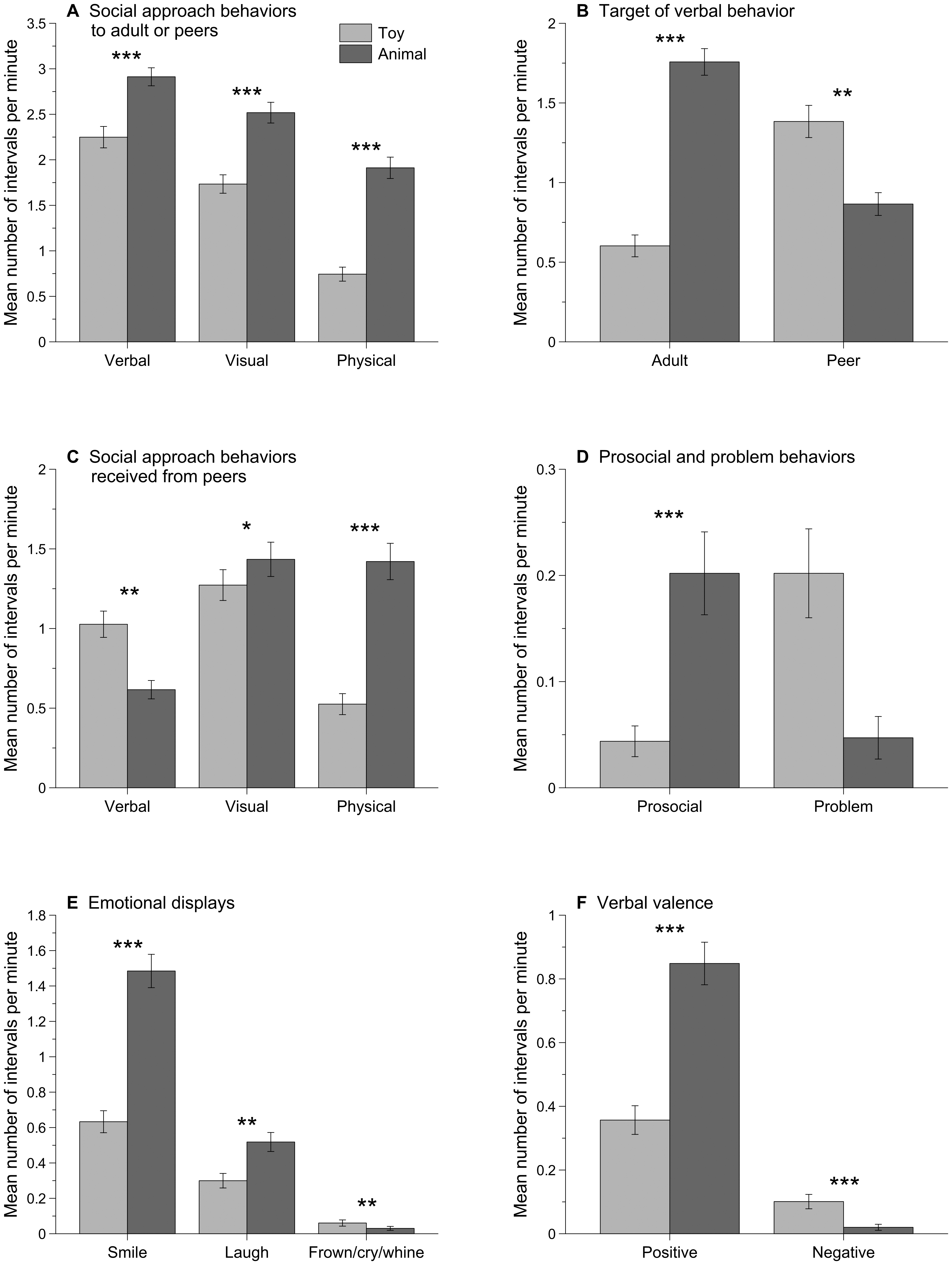
The presence of an animal can significantly increase positive social behaviors in children with autism spectrum disorders (ASD), according to a new paper.

Obesity rates across Canada are at alarming levels and continuing to climb, according to a new paper in the Canadian Journal of Public Health, which provides the first comprehensive look at adult obesity rates across Canada since 1998 - complete with "obesity maps."

If you liked FoxTrax, that glowing hockey puck shooting around the ice during NHL games, you will love what engineers from Carnegie Mellon University and the University of Electro-Communications (UEC) in Tokyo have done: they put a camera inside a football.

The camera is embedded in the side of a rubber-sheathed plastic foam football can record video while the ball is in flight. Want a ball's-eye view of the playing field? Now you have it. But because a football can spin at 600 rpm, the raw video is an unwatchable blur so the researchers also developed a computer algorithm that converts the raw video into a stable, wide-angle view.

Scientists say they have done laboratory resurrections of several 2 to 3 billion-year-old proteins, ancient ancestors of the enzymes that enable today's antibiotic-resistant bacteria to shrug off huge doses of penicillins, cephalosporins and other modern drugs.

Antibiotic resistance existed long before Alexander Fleming discovered the first antibiotic in 1928. Genes that contain instructions for making the proteins responsible for antibiotic resistance have been found in 30,000-year-old permafrost sediment and other ancient sites. The new study research focused on beta-lactamases, enzymes responsible for resistance to the family of antibiotics that includes penicillin, which scientists believe originated billions of years ago.