Banner
Pilot Study: Fibromyalgia Fatigue Improved By TENS Therapy

Fibromyalgia is the term for a poorly-understood condition where people experience pain and fatigue...

High Meat Consumption Linked To Lower Dementia Risk

Older people who eat large amounts of meat have a lower risk of dementia and cognitive decline...

Long Before The Inca Colonized Peru, Natives Had A Thriving Trade Network

A new DNA analysis reveals that long before the Incan Empire took over Peru, animals were...

Mesolithic People Had Meals With More Tradition Than You Thought

The common imagery of prehistoric people is either rooting through dirt for grubs and picking berries...

User picture.
News StaffRSS Feed of this column.

News Releases From All Over The World, Right To You... Read More »

Blogroll

A study into newborn screening for fragile X syndrome (FXS) demonstrates that testing for mutations in the gene FMR1 can be done on a large scale, according to a paper published in Genome Medicine which shows that the number of carrier babies who carry the form of the gene known as the "premutation" is higher than previously estimated.

Fragile X syndrome (FXS) is the most common cause of inherited intellectual disability and autism, or autism spectrum disorder, and is caused by mutations in the gene FMR1.

The mutation which causes FXS is not actually in the gene but is due to the addition of extra CGG repeats in the promoter region that controls whether the gene is switched on or off.

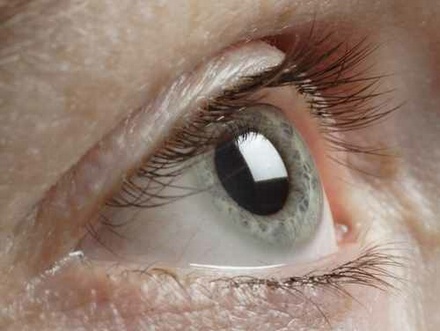
Branch retinal vein occlusion – blockage of the blood vessels that channel blood from the retina – is a common eye disease. A type of blood clot in the eye, the disease causes reduced vision, and people with the disease also typically have an increased risk of hypertension, diabetes and other serious conditions.

 Mette Bertelsen from the University of Copenhagen and colleagues photographically verified the diagnosis of branch retinal vein occlusion in 1168 people.

Scientists studying how songbirds stay on key have developed a statistical explanation for why some things are harder for the brain to learn than others.

"We've built the first mathematical model that uses a bird's previous sensorimotor experience to predict its ability to learn," says Emory biologist Samuel Sober. "We hope it will help us understand the math of learning in other species, including humans."

Sober conducted the research with physiologist Michael Brainard of the University of California, San Francisco.

Their results, showing that adult birds correct small errors in their songs more rapidly and robustly than large errors, were published in the Proceedings of the National Academy of Sciences (PNAS).

Nearby planetary nebula NGC 5189 and its bright gaseous nebula resembles a holiday ornament with a glowing ribbon - so it is perfect for a new Hubble image during the Christmas season.

 Planetary nebulae represent the final brief stage in the life of a medium-sized star. While consuming the last of the fuel in its core, the dying star expels a large portion of its outer envelope and this material then becomes heated by the radiation from the stellar remnant and radiates, producing glowing clouds of gas that can show complex structures, as the ejection of mass from the star is uneven in both time and direction.

Low pressure areas that dropped more than a foot of snow in some Midwestern states have prompted many warnings and weather advisories. Satellite data recently got a look at a major snowstorm.

On Dec. 21st, 2012, at 0729 UTC (2:29 a.m. EST), the Atmospheric Infrared Sounder (AIRS) instrument that flies aboard NASA's Aqua satellite captured an infrared image of the massive low pressure area that caused a major snowstorm in the Midwest and beyond. 

Brain imaging shows us what is happening during events and stimuli but it can't tell us much about how or why. Regardless, conclusion are often drawn and the poles of cultural debates are always jumping on the latest study to affirm their beliefs.

No one will be satisfied with a new University of Oxford study which concluded that the pain relief offered by cannabis is all subjective. The researchers found that an oral tablet of THC, the psychoactive ingredient in cannabis, tended to make the experience of pain more bearable, rather than actually reduce the intensity of the pain. MRI brain imaging showed reduced activity in key areas of the brain that substantiated the pain relief the study participants experienced.