While the world actually grows enough food to feed all its inhabitants, it isn't equally distributed. Nearly 500 million people in the developing world remain undernourished and, if projections hold true, that number could to 20% within a decade due to the impacts of climate change on global food production, according to a detailed analysis by The Partnership for Maternal, Newborn&Child Health (PMNCH), the World Health Organization (WHO), the UN System Standing Committee on Nutrition (UNSCN), 1,000 Days, World Vision International and partners.
A small-scale study found diets that reduce the surge in blood sugar after a meal - low-glycemic index or very-low carbohydrate - are better than a low-fat diet for those trying to achieve lasting weight loss. The study also found that the low-glycemic index diet had similar metabolic benefits to the very low-carb diet without negative effects of stress and inflammation as seen by participants consuming the very low-carb diet.
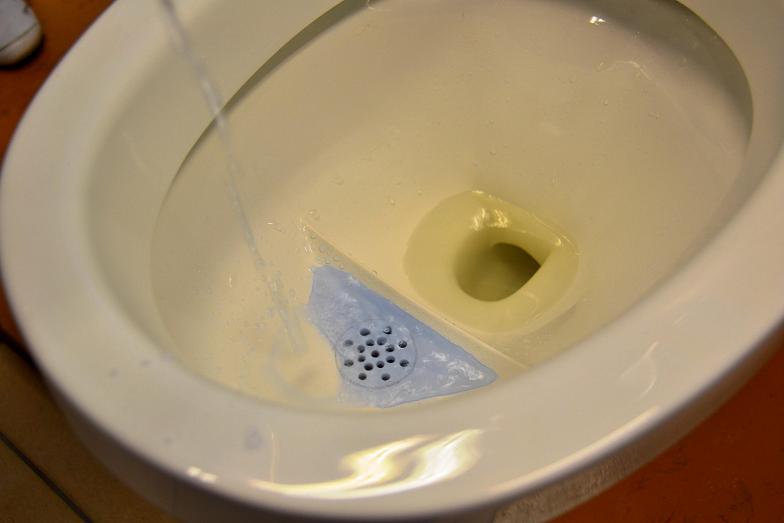
A new toilet system can turn human waste into electricity and fertilizers and even reduce the amount of water needed for flushing by up to 90 percent
The inventors in Singapore call it the No-Mix Vacuum Toilet and it has two chambers that separate the liquid and solid wastes. Using vacuum suction technology, like you find in airplane lavatories, flushing liquids requires only 0.2 liters of water while flushing solids require just one liter. The existing conventional commonly used in Singapore need 4 to 6 liters of water per flush so a single public toilet, that may be flushed 100 times a day, could save about 160,000 liters of water in a year – enough to fill a small pool.
Even though arsenic is toxic for many organs in the human body, it is used in therapeutic medicine and the treatment of some forms of cancer, and is an active component of drugs against parasitic diseases.
Wikipedia's user-generated content has made it the world's largest, and most derided, encyclopedia.
Part of the openness model has also led to 'edit wars' when the anonymous "editors" disagree with each other. The dynamics of these conflicts provide an interesting window into collaborative content production and the emergence and resolution of conflicts in an online environment, say researchers led by Taha Yasseri of the Budapest University of Technology and Economics.
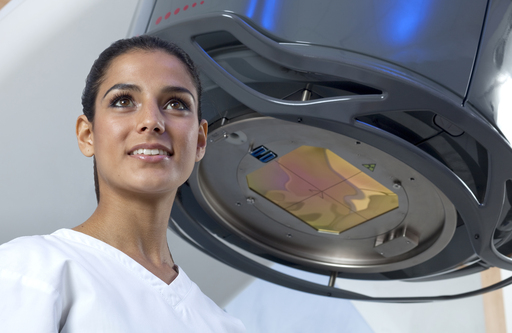
Using 160 high-resolution tungsten leaves and dramatically faster leaf movement, Elekta’s new Agility multi-leaf collimator (MLC) radiation therapy treatment for cancer patients recently received 510(k) clearance (K121328) from the U.S. Food and Drug Administration (FDA), enabling U.S. medical centers to use it for patients with cancer.
An MLC is device made up of numerous, individual tungsten “leaves,” which shape beams of therapeutic radiation that are delivered from different angles around the patient. Using twice the number of leaves typical of many standard MLC’s, Agility precisely delivers radiation to the unique contours of the tumor, while reducing the risk of exposure to healthy tissue.


 Pilot Study: Fibromyalgia Fatigue Improved By TENS Therapy
 High Meat Consumption Linked To Lower Dementia Risk
 Long Before The Inca Colonized Peru, Natives Had A Thriving Trade Network
 Mesolithic People Had Meals With More Tradition Than You Thought