It sounds like a tough choice but a new strategy to prevent asthma may be going back to the way our parents did things - less super-hygiene and more viruses.
A new study reports that influenza virus infection in young mice protected the mice as adults against the development of allergic asthma. The same protective effect was achieved by treating young mice with compound isolated from the bacterium Helicobacter pylori (H. pylori), a bacterium that colonizes the stomach and is best known for causing ulcers and increasing the risk of gastric cancers.
While the average lifespan of those who reach adulthood has continued to rise those years spent living without health issues have not kept pace.
From 1970 to 2005, the probability of a 65-year-old surviving to age 85 doubled, from about a 20 percent chance to a 40 percent chance and the presumption was that the same changes allowing people to live longer, including medical advances, would delay the onset of disease and allow people to spend fewer years of their lives with debilitating illness.
Instead, a 20-year-old today can expect to live one less healthy year over his or her life span than a 20-year-old a decade ago.
What gives?
The Bering Sea, northward extension of the Pacific Ocean between Siberia and Alaska, was ice-free and full of life during the last major warm period, a new study has shown.
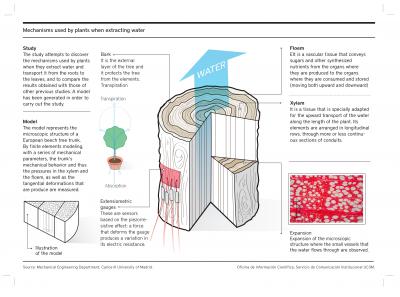
The mechanisms are used by plants when they extract water from very dry or inhospitable land could provide insight into how to do the same thing more efficiently for people.
"In the case of mangrove swamps, for example, the plants are able to extract freshwater from a saltwater environment, despite the fact that the osmotic pressure should make quite the opposite happen," says Professor José Luis Pérez Díaz, who studies this type of relatively unknown phenomenon as part of a new line of research that the Department of Mechanical Engineering at Carlos III University of Madrid has begun.
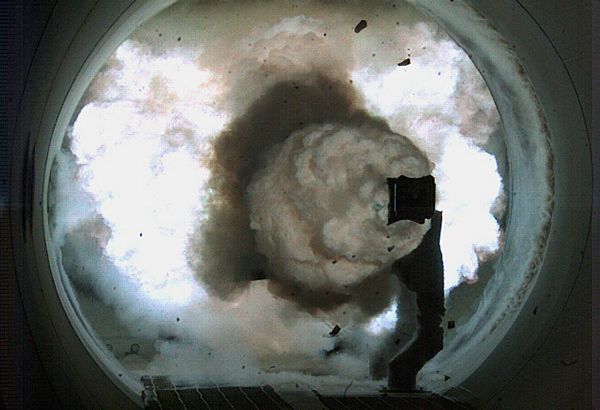
If you have read any science fiction, you know what a railgun is; instead of using a projectile hurled by an explosion, the idea is to use an electomagnetic current to accelerate a non-explosive bullet at several times the speed of sound. The conductive bullet or artillery moves along electrically charged parallel rails out of the barrel at speeds as high as Mach 7.
The result: a weapon that can hit a target 100 miles or more away within minutes, seven times as far as current ship-mounted guns.
The atmosphere is a complex system and therefore the exact amount of warming due to greenhouse gases is the subject of scientific debate but it is proven science that clouds amplify the warming effect and a new model provides more insight into specifics, though some prominent climate skeptics have recently been arguing that clouds would act to stabilize the climate, thereby preventing greenhouse gases from causing significant warming.


 Pilot Study: Fibromyalgia Fatigue Improved By TENS Therapy
 High Meat Consumption Linked To Lower Dementia Risk
 Long Before The Inca Colonized Peru, Natives Had A Thriving Trade Network
 Mesolithic People Had Meals With More Tradition Than You Thought