Astronomers using two decades of observations from many telescopes around the world have discovered an unusual star system which looks like, and may even once have behaved like, a game of snooker. Or billiards, depending on which side of the pond you are on.
They looked at a binary star system called NN Serpentis, which is 1670 light years away from Earth. NN Serpentis is actually a binary star system consisting of two stars, a red dwarf and a white dwarf, which orbit each other in an incredibly close, tight orbit. By lucky chance Earth sits in the same plane as this binary star system, so we can we can see the larger red dwarf eclipse the white dwarf every 3 hours and 7 minutes.
Researchers conducting genome-wide association studies say they have discovered 30 new genes determine the age of sexual maturation in women - and many of those genes also act on body weight regulation or biological pathways related to fat metabolism.
Menarche, the onset of first menstruation in girls, indicates the attainment of reproductive capacity and is a widely used marker of pubertal timing. Age of menarche varies widely and is highly dependent on nutritional status and early menarche is associated with many adverse health outcomes later in life, including breast cancer, endometrial cancer, obesity, type 2 diabetes and cardiovascular disease, as well as shorter adult stature.
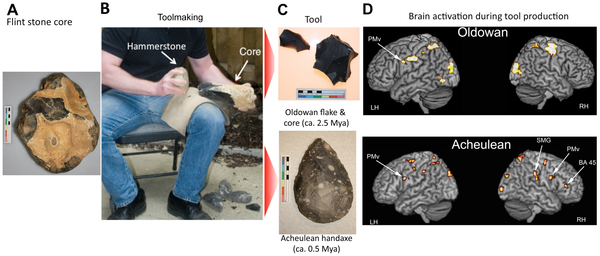
Progressing from crude stone tools to elegant hand axes was a technological leap, but that required the slow, complex process of evolution, says a new study that seeks to explain why it took almost two million years to move from razor-sharp stones to a hand-held stone axe.
Researchers have had different theories about why it took early humans more than 2 million years to develop stone axes. Some have suggested that early humans may have had underdeveloped motor skills or abilities, while others have suggested that it took human brains this time to develop more complex thoughts, in order to dream up better tool designs or think about better manufacturing techniques.
The eye is not just a lens that takes pictures and converts them into electrical signals, it is the first part of an elaborate system that leads to "seeing". As with all vertebrates, nerve cells in the human eye separate an image into different image channels once it has been projected onto the retina and pre-sorted information is then transmitted to the brain as parallel image sequences.
The ethical issues surrounding unchecked human embryonic stem cell research are not going away any time soon, regardless of which political party occupies Congress or the White House.
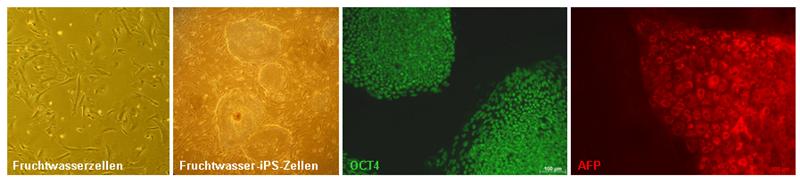
Given that, researchers have devised various alternatives and now scientists at the Max Planck Institute for Molecular Genetics in Berlin have added one more. They have managed to convert amniotic fluid cells into induced pluripotent stem cells (iPS cells). These amniotic fluid-derived iPS cells are hardly distinguishable from embryonic stem cells - however, they 'remember' where they came from.
A new study reveals that ‘introspection’ (thinking about our own thoughts or behavior) is anchored in a specific part of our brain.
The research by scientists from the Institute of Cognitive Neuroscience and the Wellcome Trust Centre for Neuroimaging at University College London examined people’s accuracy when reflecting on decisions they had made.


 Pilot Study: Fibromyalgia Fatigue Improved By TENS Therapy
 High Meat Consumption Linked To Lower Dementia Risk
 Long Before The Inca Colonized Peru, Natives Had A Thriving Trade Network
 Mesolithic People Had Meals With More Tradition Than You Thought